
Introduction to Esports
In the past few decades, the world has witnessed a remarkable transformation in how people perceive sports and competition. What was once limited to physical fields and stadiums has now expanded into the virtual realm, giving birth to a phenomenon known as esports. Esports, or electronic sports, refers to competitive video gaming where individuals or teams compete against each other in organized tournaments, often watched by millions of fans around the world. This digital sport has grown from a niche hobby into a billion-dollar global industry that blends entertainment, technology, and athletic competition in an entirely new way.
Esports are not just about playing games; they represent a cultural shift that brings together players, fans, sponsors, and developers under one vast digital arena. As technology evolves and connectivity improves, esports continue to redefine what it means to be an athlete, a spectator, and even a business in the twenty-first century.
The Origins of Esports
The origins of esports can be traced back to the early days of video gaming in the 1970s and 1980s. One of the first known gaming competitions took place at Stanford University in 1972, featuring the game Spacewar. Players competed for the grand prize of a magazine subscription, but this event marked the beginning of organized competitive gaming. The 1980s saw the rise of arcade competitions, where players fought for high scores in games like Pac-Man, Donkey Kong, and Space Invaders.
By the 1990s, gaming had moved into homes with consoles and personal computers becoming more accessible. This period saw the birth of multiplayer online games such as Doom, Quake, and StarCraft, which laid the groundwork for modern esports. Local area network (LAN) tournaments began to emerge, allowing players to face off in person, and competitive gaming communities started to grow around these titles.
The real explosion of esports began in the early 2000s when online connectivity improved, enabling players from across the world to compete without geographical barriers. Games like Counter-Strike, Warcraft III, and Dota established the foundations of team-based strategy and tactical gameplay that remain central to esports today.
The Growth of Esports in the Modern Era
The 2010s marked a turning point for esports as streaming platforms and social media revolutionized how fans consumed content. Websites that allowed live broadcasting of matches enabled players to showcase their skills to massive audiences in real-time. This accessibility fueled the popularity of esports, turning top players into global celebrities and teams into international brands.
The growth of esports was also supported by major game publishers who began organizing official leagues and tournaments. Titles like League of Legends, Dota 2, Counter-Strike: Global Offensive, and Overwatch created structured competitive scenes that attracted both amateur and professional players. Prize pools skyrocketed, and sponsorship deals started pouring in from both gaming and non-gaming industries.
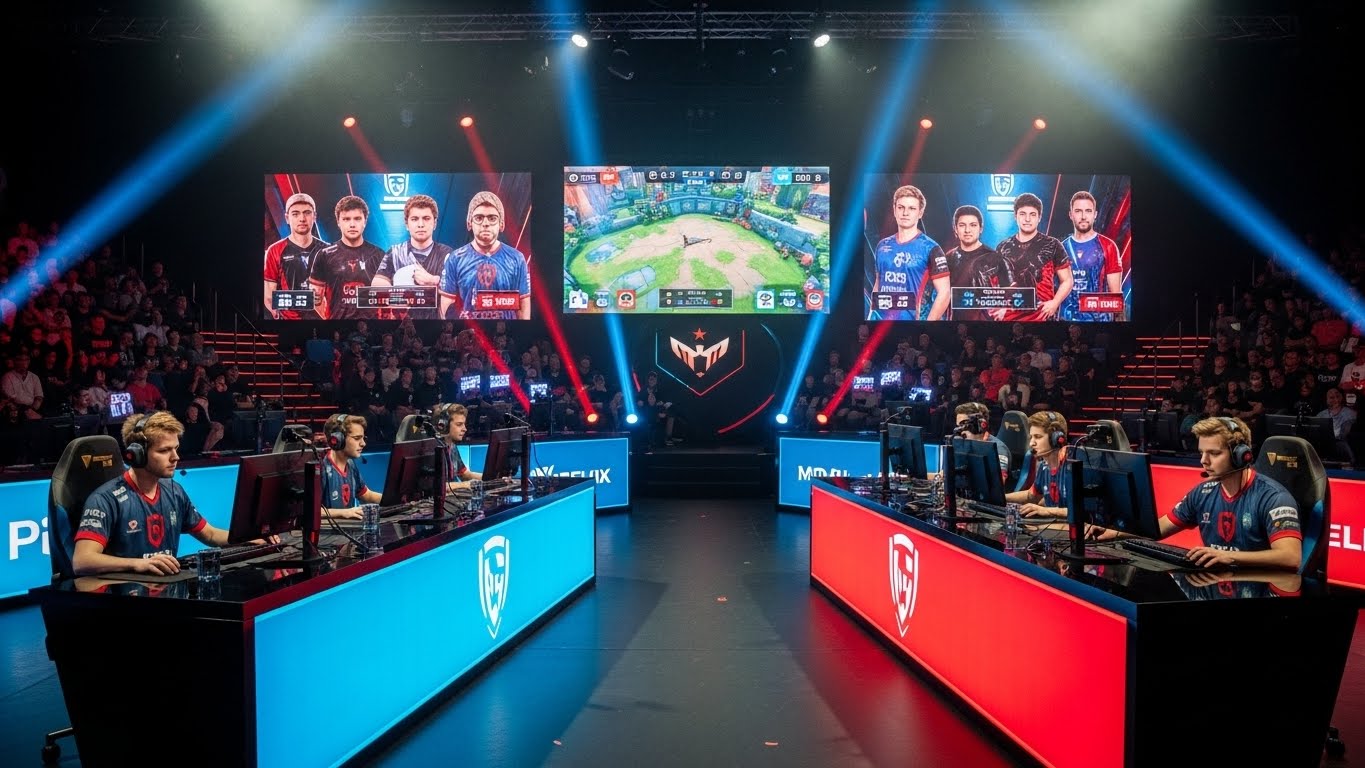
Today, esports events fill arenas around the world, drawing thousands of live attendees and millions more watching online. The International, Dota 2’s annual world championship, regularly features multi-million-dollar prize pools. Similarly, League of Legends’ World Championship has become one of the most-watched events in the digital entertainment world, rivaling traditional sports broadcasts.
The Structure of Esports Competitions
Esports tournaments vary in structure depending on the game and organization, but most follow a familiar format. Players or teams compete through qualifying rounds, advancing to playoffs or finals where the best of the best face off for the top prize. Major esports titles maintain professional leagues similar to those in traditional sports, with seasonal play, standings, and world championships.
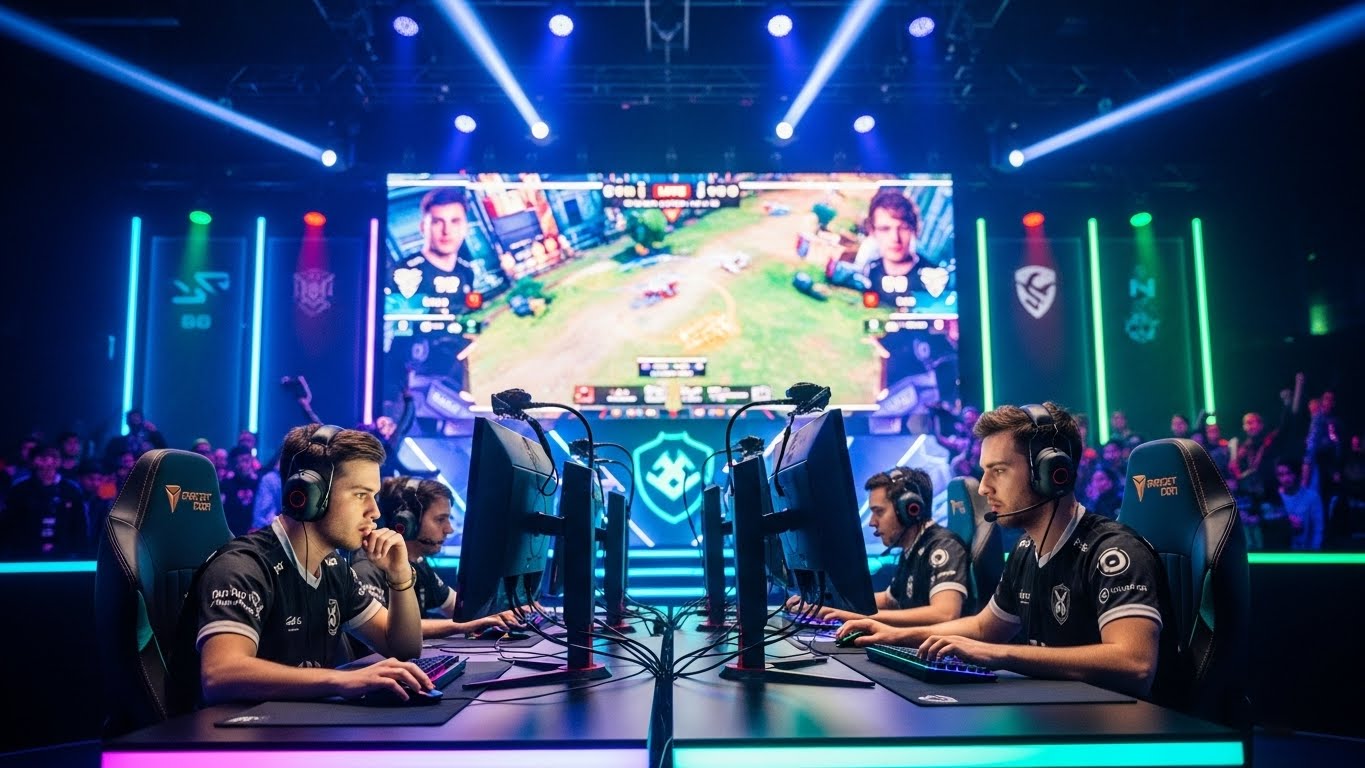
In team-based esports such as Dota 2, League of Legends, and Valorant, teamwork, communication, and strategy are as crucial as individual skill. Teams often employ coaches, analysts, and managers to help prepare for opponents, develop tactics, and maintain discipline. Solo-based games like StarCraft II, Hearthstone, and fighting games focus more on personal mastery, reflexes, and decision-making under pressure.
The Players: Modern Digital Athletes
Esports players are often referred to as digital athletes, and rightfully so. Just like traditional athletes, professional gamers dedicate countless hours to training, analyzing gameplay, and maintaining their physical and mental health. The level of commitment required to compete at the top is immense, with many players practicing for eight to twelve hours daily.
Top-tier players must possess not only exceptional reflexes but also strategic thinking, teamwork, and adaptability. Many are scouted by professional organizations and receive salaries, sponsorships, and even housing to support their careers. Some of the most famous players in esports enjoy fan followings rivaling those of conventional sports icons.
However, esports careers tend to be shorter due to the physical and mental demands of constant practice and competition. Reaction times and focus can decline with age, so many players transition into coaching, streaming, or content creation after retiring from professional play.
Esports and Technology
The rise of esports would not have been possible without the rapid advancement of technology. High-performance gaming PCs, fast internet connections, and sophisticated software have made competitive gaming more seamless and immersive. Game developers constantly update and balance their titles to ensure fair competition, while hardware manufacturers innovate to enhance speed, graphics, and precision.
Virtual reality and augmented reality technologies are beginning to influence esports as well, creating new dimensions of gameplay. Additionally, the use of artificial intelligence in training tools allows players to analyze data, review performance, and improve tactics with incredible accuracy.
Streaming and broadcasting technologies have also played a critical role in esports’ growth. Live streaming platforms have democratized content creation, allowing anyone with skill and charisma to build an audience. These platforms have turned esports into a spectator sport accessible to anyone with an internet connection, breaking down the walls between players and fans.
The Role of Sponsorship and Business
The commercial aspect of esports is one of its most defining features. The industry has attracted significant investment from sponsors, advertisers, and entertainment companies. Major brands from technology, apparel, and even food industries now sponsor teams, events, and players. This influx of money has allowed esports to professionalize further, offering lucrative careers and high-quality production values for events.
Esports organizations operate similarly to sports franchises, with dedicated management teams, marketing departments, and player development programs. Revenue streams include sponsorships, merchandise, media rights, ticket sales, and digital content. With global viewership numbers rising each year, esports has become a prime target for advertisers seeking to connect with younger, tech-savvy audiences.
The Cultural Impact of Esports
Esports is not just a business or entertainment trend—it’s a cultural movement that reflects the digital age. For many young people, esports provides a sense of community and belonging. Online games and tournaments bring together individuals from different backgrounds, countries, and languages under a shared passion.
Esports has also influenced fashion, music, and social media culture. Professional players are now seen as influencers, collaborating with brands, musicians, and other creators. Esports-themed merchandise, gaming chairs, and energy drinks have become lifestyle symbols for fans and players alike.
The integration of esports into mainstream media has blurred the lines between traditional and digital entertainment. Television channels now broadcast tournaments, universities offer scholarships for esports athletes, and schools are introducing competitive gaming programs. What once seemed like a fringe hobby is now an integral part of modern youth culture.
Education and Career Opportunities in Esports
The esports industry offers a wide range of career opportunities beyond just playing games. As the sector grows, there is an increasing demand for skilled professionals in fields like broadcasting, event management, marketing, coaching, and game development.
Educational institutions around the world have started offering esports degrees and courses focused on game design, management, and media production. These programs prepare students to enter an industry that is constantly evolving and full of creative possibilities.
For many young people, esports provides a pathway to careers in technology and entertainment that were previously unimaginable. Content creation, streaming, and analysis have become viable professions, with top creators earning substantial incomes through sponsorships and audience support.
Esports and Traditional Sports: A Comparison
Esports and traditional sports share many similarities despite existing in different realms. Both require dedication, strategy, teamwork, and peak performance. However, the main difference lies in their medium—esports are played digitally, while traditional sports rely on physical activity.
The debate over whether esports should be classified as “real sports” continues, but the line between them grows thinner each year. Many sports organizations have recognized the potential of esports, forming their own gaming divisions and hosting virtual tournaments. Esports athletes, like traditional athletes, train extensively and face immense pressure to perform, proving that the competition is equally demanding in its own way.
The Challenges Facing Esports
While the growth of esports has been extraordinary, it is not without challenges. Issues such as player burnout, toxic behavior in online communities, and match-fixing scandals have affected the industry. Maintaining fair play and integrity in competitions is an ongoing concern, with organizations working to implement strict rules and disciplinary systems.
Additionally, the rapid commercialization of esports has raised questions about player welfare and career stability. Many players begin their careers at a young age, and without proper support systems, they can face physical and mental health challenges. Ensuring sustainable development and ethical practices is essential for the long-term future of esports.
The Future of Esports
Looking ahead, the future of esports appears incredibly bright. The integration of new technologies, such as artificial intelligence, 5G connectivity, and immersive virtual environments, will further enhance gameplay and viewing experiences. Esports are expected to become a regular feature of mainstream entertainment, with events rivaling traditional sports in both production quality and fan engagement.
Furthermore, as global audiences continue to expand, esports will play a significant role in uniting people across borders through shared digital experiences. Governments and educational institutions are increasingly recognizing esports as a legitimate form of sport and culture, opening doors to new opportunities for youth development and digital innovation.
Conclusion
Esports represents one of the most fascinating cultural revolutions of the modern era. What began as casual gaming among friends has evolved into a professional, global industry that embodies the power of technology, creativity, and competition. From packed arenas to millions of online viewers, esports has proven that passion and skill are not limited to physical sports fields.
As the digital age continues to evolve, esports stands at the forefront of a new kind of athleticism—one that values strategy, precision, and community as much as strength and endurance. Its journey from a simple pastime to a world-renowned spectacle is a testament to human innovation and the endless possibilities of the virtual world.
The story of esports is far from over; in fact, it is only just beginning. With every new game, player, and tournament, esports continues to redefine entertainment, challenge perceptions, and shape the future of global competition.