Introduction
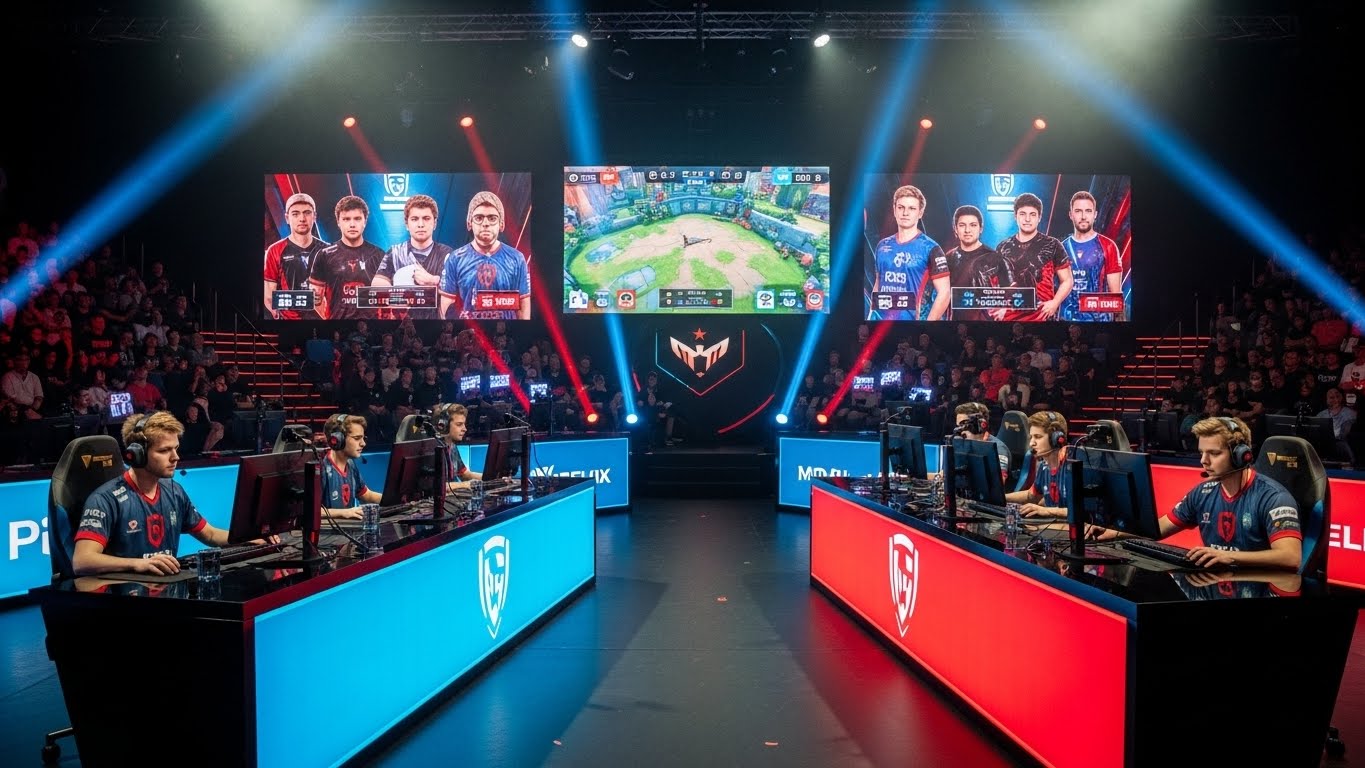
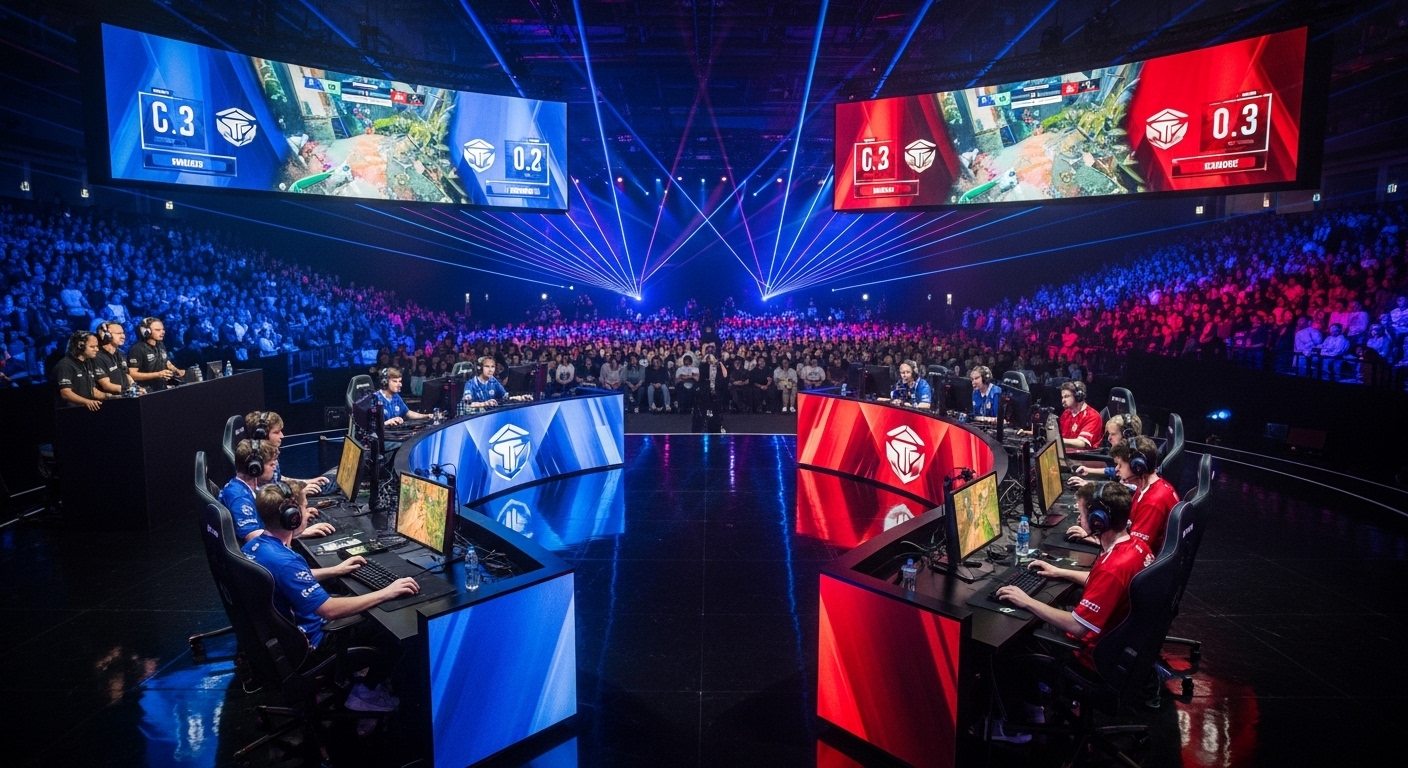
Once considered a casual pastime, video gaming has evolved into a billion-dollar industry known as esports. What started as small local tournaments has transformed into grand global events, drawing millions of viewers and turning skilled gamers into international celebrities. The growth of esports marks a new era of entertainment where digital competition rivals traditional sports in popularity and prestige.
The Evolution of Competitive Gaming
The roots of esports can be traced back to the late 20th century when games like Space Invaders and Street Fighter sparked friendly competition among players. As technology advanced, online multiplayer games such as Counter-Strike, Dota, and League of Legends created virtual arenas where players from across the world could compete in real time. This connectivity, combined with streaming platforms and social media, helped esports gain massive exposure and fan engagement.
The Growth of Esports Organizations
Today, esports organizations function much like professional sports teams. They recruit talented players, hire coaches, sign sponsorship deals, and even provide fitness and mental health training. Teams like T1, Cloud9, and Fnatic have built massive fan bases, with their players becoming household names. Major tournaments such as The International and League of Legends World Championship offer prize pools worth millions, drawing audiences larger than some traditional sporting events.
The Role of Technology and Streaming Platforms
The success of esports would not have been possible without the rapid growth of technology. High-speed internet, powerful gaming PCs, and live-streaming platforms have made it easier for fans to watch matches from anywhere in the world. Platforms dedicated to gaming have turned esports into an interactive experience, allowing fans to engage with players and participate in live discussions during tournaments.
Esports as a Career Path
What was once a hobby is now a legitimate career option. Players, commentators, analysts, content creators, and event organizers all find opportunities in this dynamic industry. Educational institutions have also begun to recognize the potential of esports, offering scholarships and degree programs focused on gaming, marketing, and event management. This shift highlights how esports has become a serious profession rather than just a leisure activity.
The Future of Esports
The future of esports looks brighter than ever. As virtual reality, augmented reality, and artificial intelligence continue to develop, they will open new possibilities for interactive and immersive gaming experiences. Esports will likely expand beyond traditional screens, integrating new technologies that redefine how competitions are played and watched.
Conclusion
Esports has transformed from a niche community into a global entertainment powerhouse. It bridges cultures, unites fans worldwide, and offers endless opportunities for innovation and growth. The journey of esports is a powerful example of how passion, technology, and creativity can redefine the meaning of sports in the digital age.