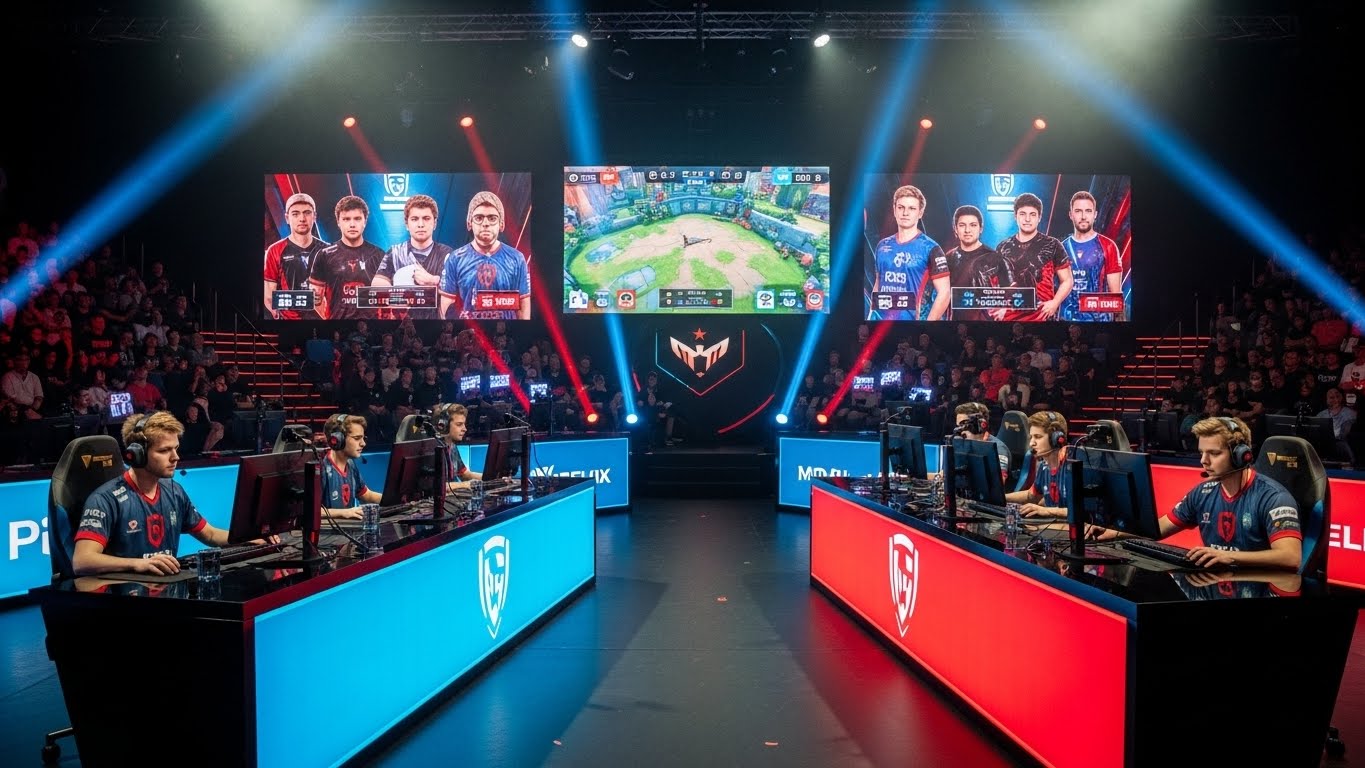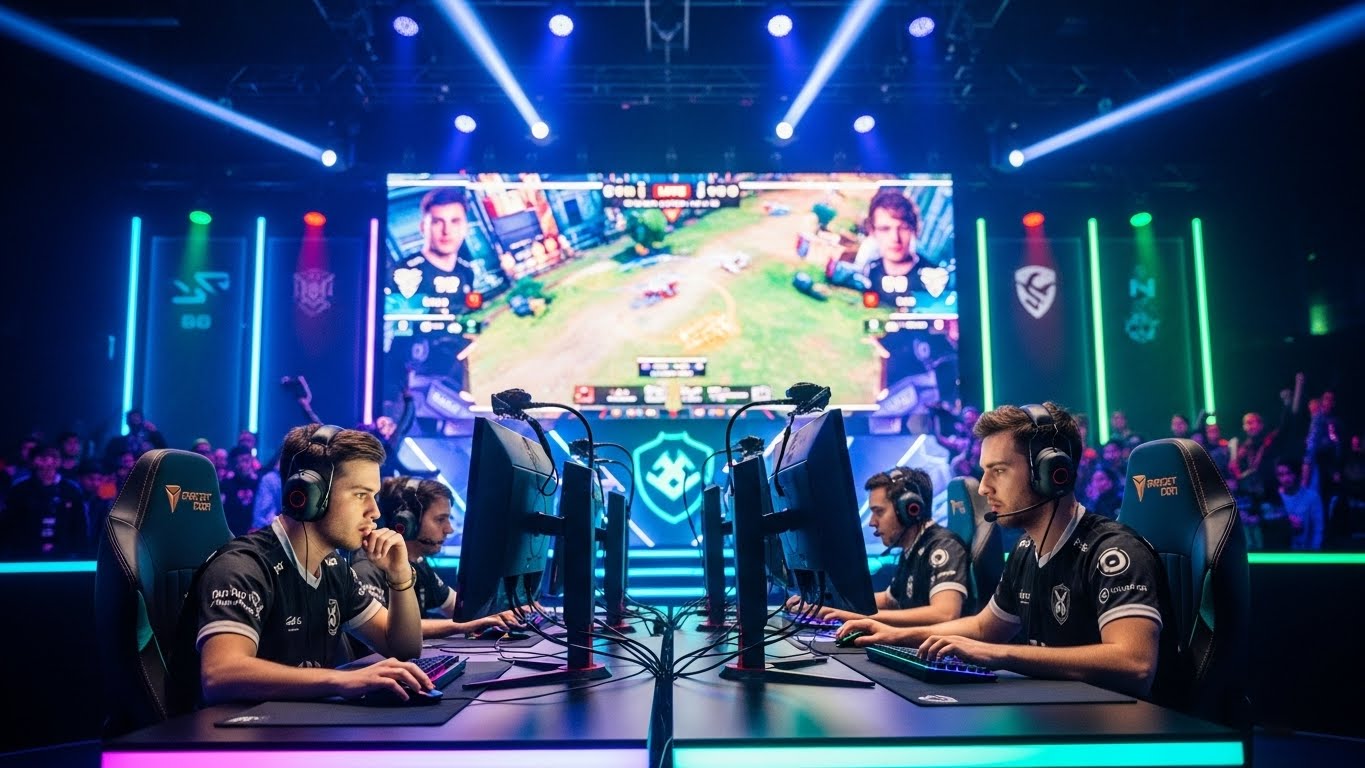
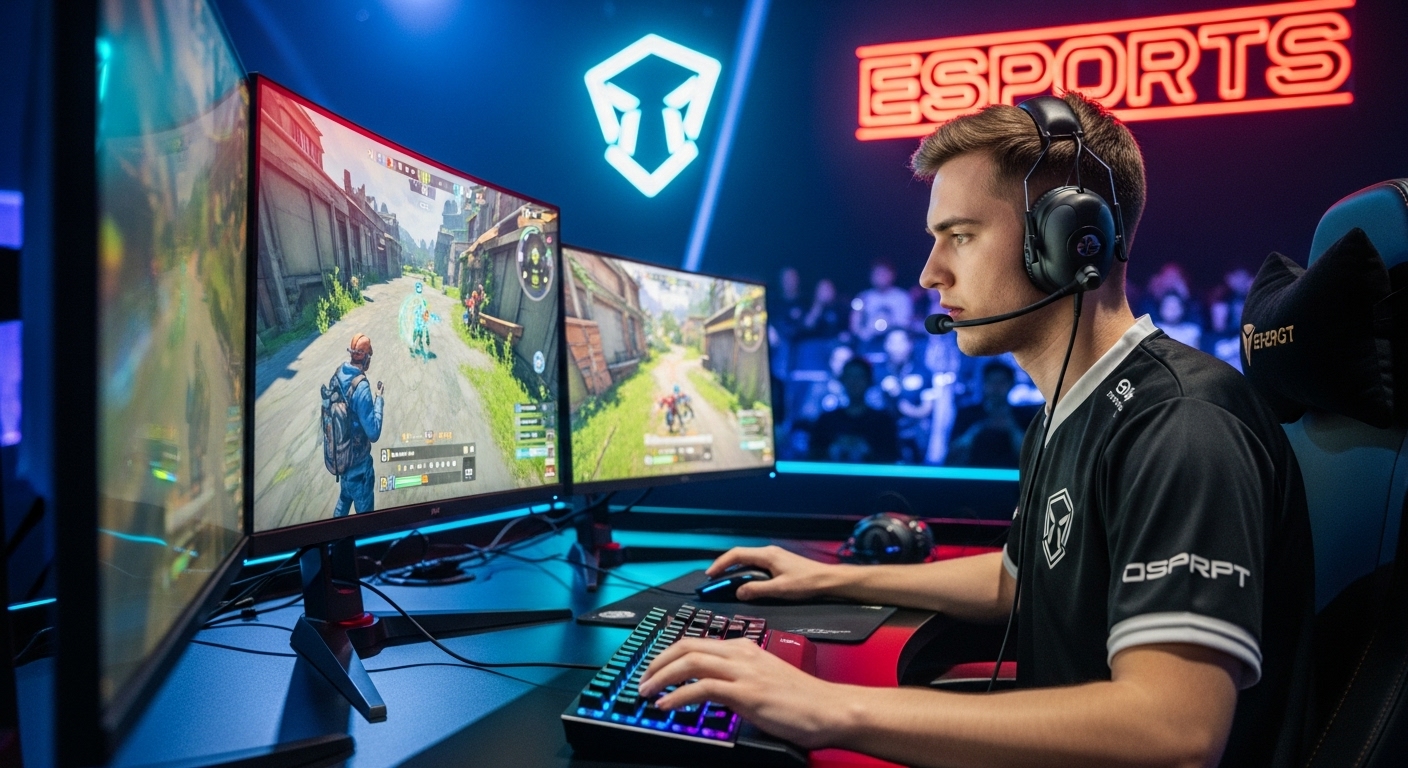
PlayerUnknown’s Battlegrounds (PUBG) is more than just a game; it’s a cultural phenomenon that has taken the world by storm since its release in 2017. What began as a casual battle royale game quickly evolved into one of the most significant esports titles globally, with professional leagues, international tournaments, and millions of viewers. PUBG’s rise from a casual pastime to a competitive esports juggernaut is a testament to the game’s dynamic gameplay, the growth of online gaming communities, and the increasing popularity of esports as a mainstream form of entertainment.
In this post, we’ll dive into the journey of PUBG esports, exploring how it transitioned from casual gaming to a competitive scene, the milestones that shaped its growth, and the impact it’s had on the esports landscape.
The Birth of PUBG: A New Era of Battle Royale
Before PUBG became the esports giant we know today, it began as a simple concept: 100 players dropped into an expansive map and fought until only one remained standing. Released by PUBG Corporation, a subsidiary of South Korea’s Bluehole, PUBG introduced a new level of realism and strategy to the battle royale genre. It quickly gained traction, especially with the popularity of Twitch and YouTube gaming content, where players and streamers flocked to showcase their skills.
PUBG’s combination of large-scale combat, strategic gameplay, and the excitement of the last-man-standing formula made it an instant hit. However, while the game was initially embraced by casual players seeking an adrenaline rush, its core mechanics and strategic depth began to attract a more serious, competitive audience.
Early Signs of Competitive Play: The Grassroots Community
In the early days of PUBG, the competitive gaming scene wasn’t as structured as it is today. However, the rise of online multiplayer games, along with PUBG’s increasing player base, naturally led to a competitive community forming. Players started organizing unofficial tournaments, streaming their matches, and even forming teams dedicated to improving their skills.
Influential Streamers and Content Creators:
Content creators and streamers played a significant role in PUBG’s initial growth as an esports title. Popular streamers such as Shroud, Dr Disrespect, and Ninja, who were already well-established in the gaming world, embraced PUBG and introduced it to an even wider audience. As these influencers showcased their exceptional gameplay, they not only popularized the game but also set the tone for what was to come: a shift toward skill-based play and competitive strategies.
Unofficial Tournaments:
Although there was no official PUBG esports ecosystem at this point, players organized community-run tournaments, which gained attention from fans and developers alike. These grassroots competitions helped to demonstrate the potential for PUBG as a competitive game and highlighted the need for a more formalized esports structure. The interest in these events continued to grow, and PUBG Corporation began to take notice.
The Formation of PUBG Esports: Official Leagues and Tournaments
As PUBG’s player base expanded, so did the desire for a more organized competitive structure. In 2018, PUBG Corporation officially launched PUBG Esports with the creation of the PUBG Global Invitational (PGI), an international event that would lay the foundation for the game’s esports ecosystem.
The First Major PUBG Tournament: PGI 2018
The PUBG Global Invitational (PGI) 2018, held in Berlin, Germany, marked the first major step toward making PUBG an official esport. With a prize pool of $2 million, it attracted the best teams from around the world, including notable teams like Cloud9, Team Liquid, and Virtus.pro. The event showcased how PUBG’s fast-paced gameplay could be thrilling to watch as professional players used strategy, team coordination, and quick reflexes to outsmart their opponents.
PGI 2018 was a game-changer, solidifying PUBG’s place in the esports world. It demonstrated the potential of PUBG as a competitive title and proved that there was a thriving global community of players and fans ready for more organized competition.
The Creation of PUBG’s Competitive Leagues
Building on the success of PGI, PUBG Corporation began to invest heavily in esports by launching more official leagues and tournaments. The PUBG Continental Series (PCS) and the PUBG Global Championship (PGC) became the flagship events for PUBG esports, providing a more structured competitive circuit with a clear path for teams to compete at the highest level.
The PUBG Esports ecosystem now featured regional leagues (such as PCS for North America, Europe, and Asia) and international tournaments where the best teams competed for global dominance. The consistent calendar of events allowed players to develop their skills year-round, and the global tournaments attracted sponsors, fans, and media attention.
The Key Elements That Defined PUBG Esports
PUBG’s transition from a casual game to a competitive esport is largely due to several key elements that made the game ideal for esports competition. These elements are what helped PUBG stand out from other battle royale games, as well as from traditional esports titles.
Strategic Depth
Unlike many fast-paced shooters that focus on reflex-based gameplay, PUBG required players to think several steps ahead. The massive open world, combined with the shrinking play zone and limited resources, forced players to use strategy, positioning, and decision-making. This strategic depth made PUBG particularly appealing to competitive players who had to adapt to changing situations on the fly, adding an extra layer of excitement for spectators.
Teamwork and Coordination
While solo play was an option, PUBG truly shined in team-based formats. Teamwork became a crucial element in PUBG esports, as players needed to work together to execute strategies, secure loot, and control areas of the map. Communication and coordination became essential in high-level play, and the teamwork aspect contributed to the game’s spectator appeal.
Dynamic and Unpredictable Gameplay
PUBG’s open-world environment and ever-changing conditions made each match unique. No two games were ever the same, and this unpredictability kept both players and viewers on their toes. While other esports titles may have a predictable set of mechanics, PUBG’s battle royale nature ensured that there were always fresh, exciting moments, from ambushes to last-minute eliminations.
The Spectator Experience
PUBG’s format also made it a thrilling game to watch. With its large map and varied environments, viewers could enjoy different aspects of the game, from the tactical moves of players navigating the map to the high-intensity firefights. Spectator modes allowed fans to follow individual players or teams, while commentators provided expert analysis, making the viewing experience both informative and entertaining.
PUBG Esports Today: Global Competitions and Massive Prizes
Since its early days, PUBG Esports has grown into a global phenomenon with international tournaments and massive prize pools. PUBG’s competitive scene is now firmly entrenched in the world of esports, with the PUBG Global Championship (PGC) serving as the pinnacle event, attracting top teams from around the world.
Expanding the Global Reach
PUBG Esports has seen continuous growth in terms of both players and fans. With the introduction of regional qualifiers, dedicated leagues, and support for grassroots tournaments, the game has solidified its position as a prominent esports title. PUBG’s esports ecosystem is now vast, featuring events like the PUBG Mobile Global Championship (PMGC) for mobile players, showing the game’s broad appeal across different platforms.
In 2021, PUBG Esports reached new heights with the PUBG Global Championship offering a prize pool of $2 million, with teams from various regions battling for supremacy. The growing number of teams and the high level of competition have made PUBG Esports an exciting space for both players and fans.
The Future of PUBG Esports: Evolving and Expanding
As esports continues to grow, PUBG’s role in the competitive scene remains crucial. With advancements in technology, improved broadcasting, and ongoing support from PUBG Corporation, the future of PUBG Esports looks bright. New formats, innovative gameplay features, and the integration of mobile platforms are set to expand the reach of PUBG, making it accessible to even more players and fans worldwide.
The Continued Growth of Mobile Esports
Mobile gaming has become a significant part of PUBG’s esports scene, with the PUBG Mobile esports circuit gaining massive popularity. PUBG Mobile has made the game accessible to a larger audience, especially in regions like Asia, where mobile gaming is booming. Tournaments like the PUBG Mobile Global Championship have provided exciting platforms for mobile esports players to showcase their skills, further solidifying PUBG as a multi-platform esports juggernaut.
Conclusion: PUBG’s Journey from Casual to Competitive
PUBG’s rise from a casual battle royale game to a competitive esports titan is a remarkable story of growth, innovation, and dedication. The game’s journey reflects the evolution of esports itself—one that has gone from niche hobby to global phenomenon. PUBG has not only shaped the world of battle royale games but has also played a significant role in the broader development of esports.
With its strategic gameplay, team-based coordination, and thrilling, unpredictable nature, PUBG remains one of the most beloved and influential esports titles in the world. The game’s future looks promising, with new generations of players and fans discovering the competitive side of PUBG, ensuring that this gaming legend continues to evolve and inspire for years to come.