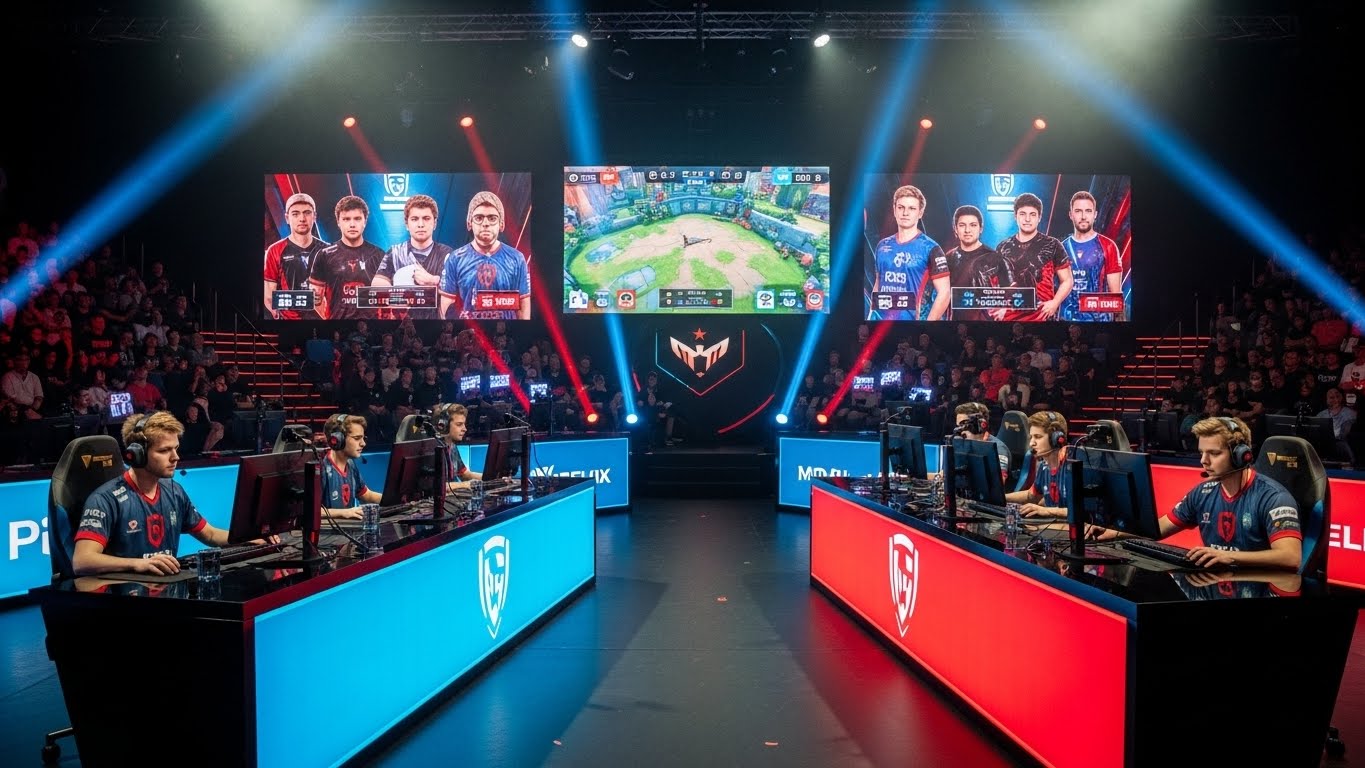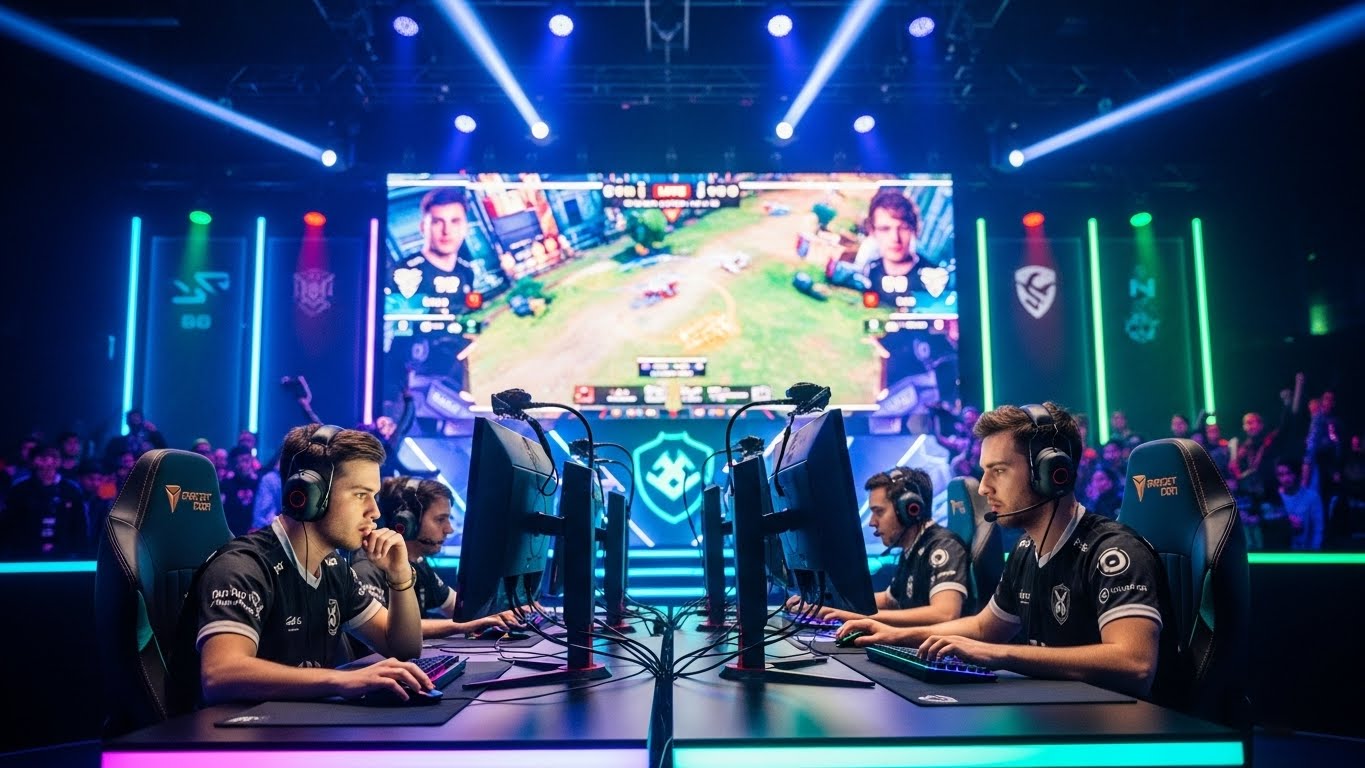
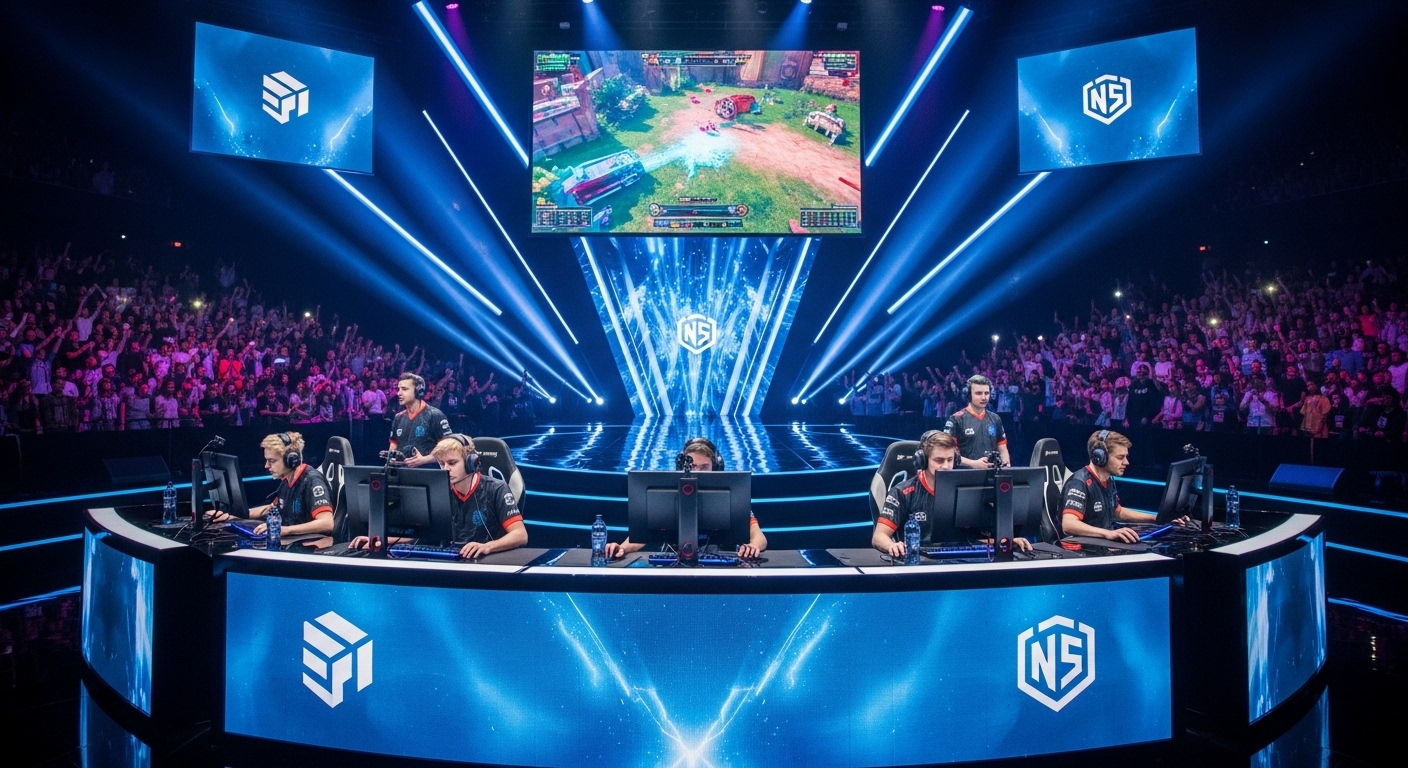
The esports industry has grown into a global phenomenon, captivating millions of fans across the world and generating billions in revenue. What was once considered a niche hobby has now evolved into a major entertainment sector, comparable to traditional sports in popularity and financial power. One of the key driving forces behind this explosive growth has been the rise of influencers — content creators, streamers, and professional gamers who command massive online followings. These influencers have transformed how brands connect with audiences and how esports organizations promote their teams, games, and events.
In today’s digital age, influencers play an essential role in esports marketing. They bridge the gap between brands and fans, providing authenticity, engagement, and trust that traditional advertising often lacks. This blog explores the importance of influencers in esports marketing, how brands collaborate with them, and why influencer-driven campaigns are shaping the future of competitive gaming.
Understanding Influencer Marketing in Esports
Influencer marketing in esports revolves around leveraging the reach and credibility of popular gaming personalities to promote products, games, or tournaments. Unlike conventional advertisements, influencer marketing relies on authentic engagement — fans trust influencers because they share genuine opinions and experiences.
In the esports space, influencers are often professional gamers, streamers on platforms like Twitch and YouTube, or content creators who specialize in gaming-related media. Their influence stems from their ability to entertain, educate, and engage a dedicated fanbase. This relationship between the influencer and the audience is what gives brands access to a highly targeted and passionate demographic.
Esports influencers don’t just promote products; they shape trends, influence player behavior, and create communities. Their voices hold immense power in determining which games succeed, which products become popular, and which teams attract sponsorships.
The Evolution of Influencers in Esports
In the early days of esports, marketing efforts were limited to tournament sponsorships, team jerseys, and gaming hardware advertisements. However, as streaming platforms gained popularity, gamers who showcased their gameplay online began to attract massive audiences.
These early influencers started as hobbyists, streaming their matches for fun. Over time, as their viewership grew, they transformed into full-fledged personalities with the ability to influence purchasing decisions and fan loyalty. Platforms such as Twitch, YouTube, and TikTok have since played crucial roles in giving rise to this new generation of digital celebrities.
Today, influencers have become integral to the esports ecosystem. They collaborate with brands, promote tournaments, and even participate in product launches. Esports marketing has evolved from traditional sponsorship deals into dynamic influencer partnerships that drive engagement and measurable results.
Why Influencers Are Crucial to Esports Marketing
Influencers hold the key to connecting brands with the gaming audience in an authentic and impactful way. There are several reasons why they are considered indispensable in esports marketing.
1. Authenticity and Trust
Gamers are known for their skepticism toward traditional advertising. They value honesty and community-driven opinions over scripted endorsements. Influencers build relationships with their followers through consistent content and personal interaction. When they recommend a product or game, their followers are more likely to believe it’s genuine rather than a paid promotion. This authenticity gives brands credibility and boosts conversion rates.
2. Targeted Audience Reach
Influencers cater to specific audiences. Whether it’s first-person shooters, battle royales, or sports simulators, each influencer has a niche following. This allows brands to tailor their campaigns to particular gaming genres and demographics. Instead of spreading advertisements broadly, influencer marketing ensures that messages reach the right people — engaged gamers who are more likely to respond positively.
3. High Engagement Rates
Traditional ads might get views, but influencer content gets interaction. Comments, shares, and live chat engagement are far more valuable metrics because they represent active interest. Influencers regularly interact with their fans through Q&A sessions, game streams, and social media discussions, creating a two-way connection that makes promotional messages more memorable.
4. Storytelling Power
Influencers are natural storytellers. Whether they’re explaining a product, reviewing a gaming mouse, or discussing their experience with a new title, they can weave stories that resonate with fans. Storytelling turns simple promotions into engaging narratives that enhance brand recall and emotional connection.
5. Cost-Effective Marketing
Compared to large-scale advertising campaigns, influencer marketing can be more affordable and yield better returns. Micro-influencers, who may have smaller followings but highly engaged communities, are especially cost-efficient. Their recommendations often feel more personal and result in stronger brand loyalty.
Types of Esports Influencers
Esports influencers come in different forms, each offering unique marketing advantages.
1. Professional Players
These are the stars of competitive gaming who participate in tournaments and represent top esports teams. Their influence is rooted in skill and reputation. Fans look up to them for guidance on gameplay, equipment, and training methods. Brands often collaborate with professional players to showcase gaming gear or sponsor their participation in events.
2. Streamers and Content Creators
Streamers are entertainers who broadcast live gameplay or create video content. They may not always be professional players, but they have massive fan engagement. Streamers can host brand-sponsored events, test new games, or provide live commentary for product launches.
3. Casual Influencers and Gaming Enthusiasts
Not every influencer needs to be a top-tier player. Many casual gamers build communities around their personalities rather than their skill. These influencers excel at creating relatable content, such as gaming memes, reaction videos, or lifestyle vlogs that connect gaming to everyday experiences.
4. Team and Organization Ambassadors
Some influencers represent esports organizations as brand ambassadors. They promote the team’s sponsors, merchandise, and upcoming matches while building fan loyalty. This type of collaboration helps both the influencer and the organization grow their reach.
How Brands Collaborate with Esports Influencers
Collaborations between brands and esports influencers can take many forms. The most successful campaigns often combine creativity with authenticity.
1. Product Endorsements
One of the most common forms of collaboration involves influencers endorsing products like gaming peripherals, energy drinks, or apparel. These endorsements often include reviews, unboxings, and demonstrations, showing the product in action during gameplay.
2. Sponsored Streams and Events
Brands frequently sponsor live streams or tournaments hosted by influencers. During these events, influencers may feature brand logos, discuss products, or include branded giveaways. This approach generates real-time engagement from viewers who are already invested in the stream.
3. Social Media Campaigns
Influencers promote brands on platforms such as Instagram, Twitter, or TikTok, using short-form videos, memes, or challenges to attract attention. Social media campaigns allow influencers to extend their reach beyond gaming-specific platforms, bringing esports marketing into mainstream culture.
4. Collaborative Content Creation
Brands sometimes partner with influencers to co-create content, such as tutorials, short films, or behind-the-scenes videos. This strategy not only promotes products but also provides valuable entertainment for fans.
5. Exclusive Partnerships and Long-Term Deals
Long-term collaborations build stronger relationships between influencers and brands. Instead of one-off promotions, these partnerships allow influencers to genuinely integrate a brand into their lifestyle and content, creating a consistent and believable message.
Case Study Examples of Influencer Impact
Across the esports world, several notable examples demonstrate how influencers can shape brand success and audience growth.
A gaming headset company partnering with a top-tier streamer can see its sales skyrocket overnight after a single stream. Similarly, energy drink brands that collaborate with esports players often find themselves integrated into gaming culture through memes, slogans, and community engagement.
Even game developers rely heavily on influencers for marketing new releases. A well-known streamer showcasing a new game during launch week can create viral moments that attract millions of viewers and generate organic buzz far more powerful than traditional ads.
The Psychology Behind Influencer Success in Esports
At the heart of influencer marketing lies psychology — specifically, the concept of parasocial relationships. Fans feel personally connected to influencers even though the relationship is one-sided. This emotional attachment fosters trust and loyalty, making fans more receptive to the influencer’s recommendations.
Esports influencers also play into the aspirational nature of gaming. Fans admire their skills, lifestyles, and achievements. When influencers endorse products or share tips, followers perceive them as credible and knowledgeable sources. This dynamic drives purchasing behavior and strengthens brand association.
Another key factor is community belonging. Gaming communities thrive on shared experiences. Influencers act as leaders within these communities, guiding discussions, shaping opinions, and reinforcing group identity. Brands that partner with influencers gain access to these tightly-knit networks, making their messages more impactful.
Measuring the Impact of Esports Influencer Marketing
Brands use a variety of metrics to assess the success of influencer marketing campaigns. These include:
- Engagement Rate: The level of interaction (likes, comments, shares) on influencer content.
- Viewership and Reach: The total number of people who saw the campaign across platforms.
- Conversion Rate: How many followers took desired actions, such as purchasing a product or signing up for a tournament.
- Brand Sentiment: Audience perception before and after the campaign.
- Return on Investment (ROI): The revenue generated compared to the cost of the influencer partnership.
Data-driven analysis helps brands identify which influencers deliver the best results and allows for refined marketing strategies in future collaborations.
Challenges in Esports Influencer Marketing
While influencer marketing offers enormous potential, it also comes with challenges that brands must navigate carefully.
1. Authenticity Concerns
If an influencer promotes too many products or appears disingenuous, audiences may lose trust. Maintaining transparency about sponsorships is crucial to avoid backlash.
2. Brand-Influencer Mismatch
Not every influencer is suitable for every brand. A mismatch between influencer values and brand image can lead to negative publicity. Careful selection is necessary to ensure alignment.
3. Platform Saturation
With more influencers entering the space, it becomes harder for campaigns to stand out. Brands need innovative strategies and unique content ideas to capture attention.
4. Measurement Difficulties
Quantifying the exact impact of influencer marketing can be tricky. While engagement metrics are visible, long-term brand loyalty and influence are harder to measure.
The Future of Influencers in Esports Marketing
As esports continues to grow, influencers will remain at the core of its marketing ecosystem. The future promises deeper collaborations, more immersive experiences, and advanced technology integration.
Virtual influencers and AI-generated avatars may become part of marketing campaigns, blending entertainment and branding in new ways. Meanwhile, live streaming innovations and interactive audience tools will make influencer content even more engaging.
Brands will likely invest more in long-term relationships with influencers rather than one-time promotions. This approach will foster consistency, authenticity, and sustained audience connection. Additionally, as esports audiences diversify, we can expect more regional and niche influencers representing different gaming communities around the world.
Conclusion
Influencers have become the heartbeat of esports marketing. Their ability to connect with audiences, inspire trust, and drive engagement makes them indispensable partners for brands and organizations in the gaming industry. From product endorsements to live streaming collaborations, influencers shape the way fans experience esports and how brands communicate with their audiences.
The relationship between influencers and esports is symbiotic — both thrive on engagement, community, and creativity. As esports evolves into one of the dominant entertainment industries of the 21st century, influencer marketing will continue to be the driving force that connects players, fans, and brands in ways that traditional advertising could never achieve.