Introduction: From Arcade Beginnings to Global Phenomenon
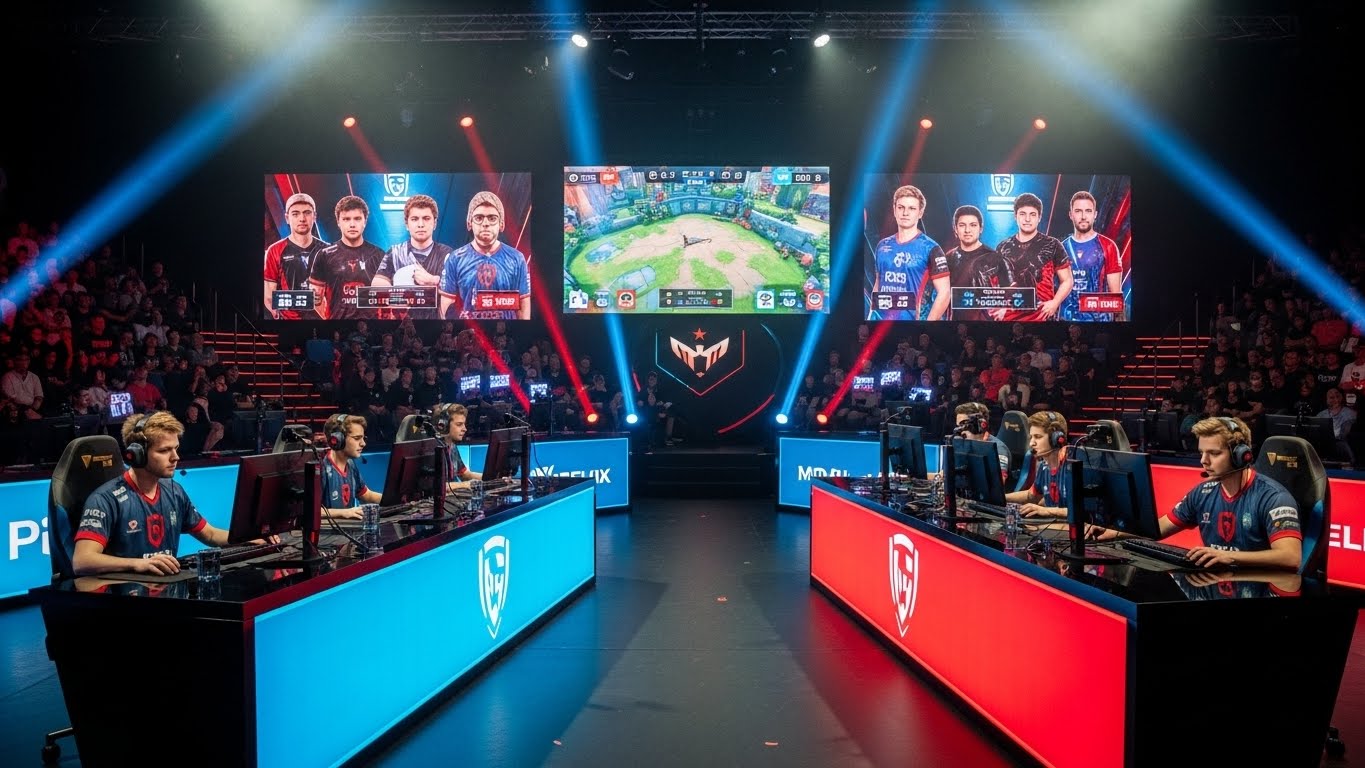
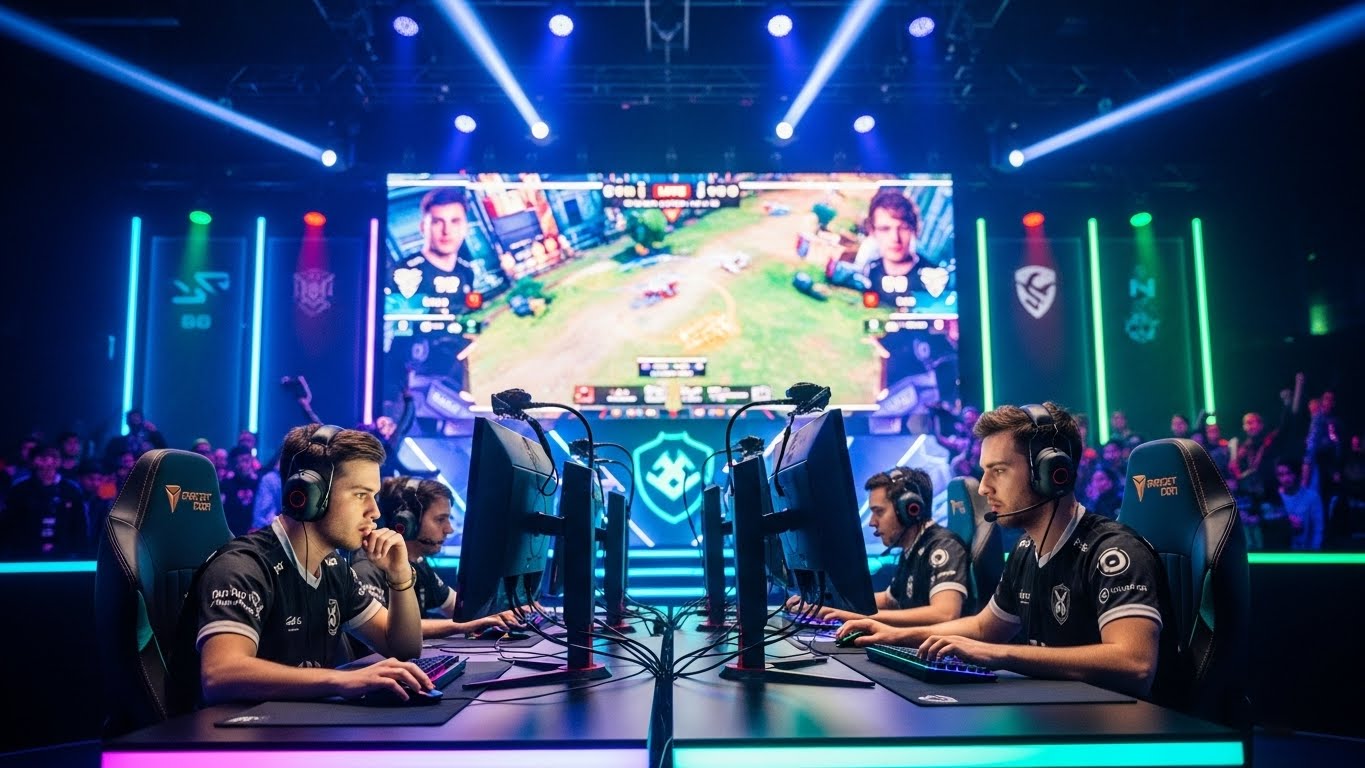
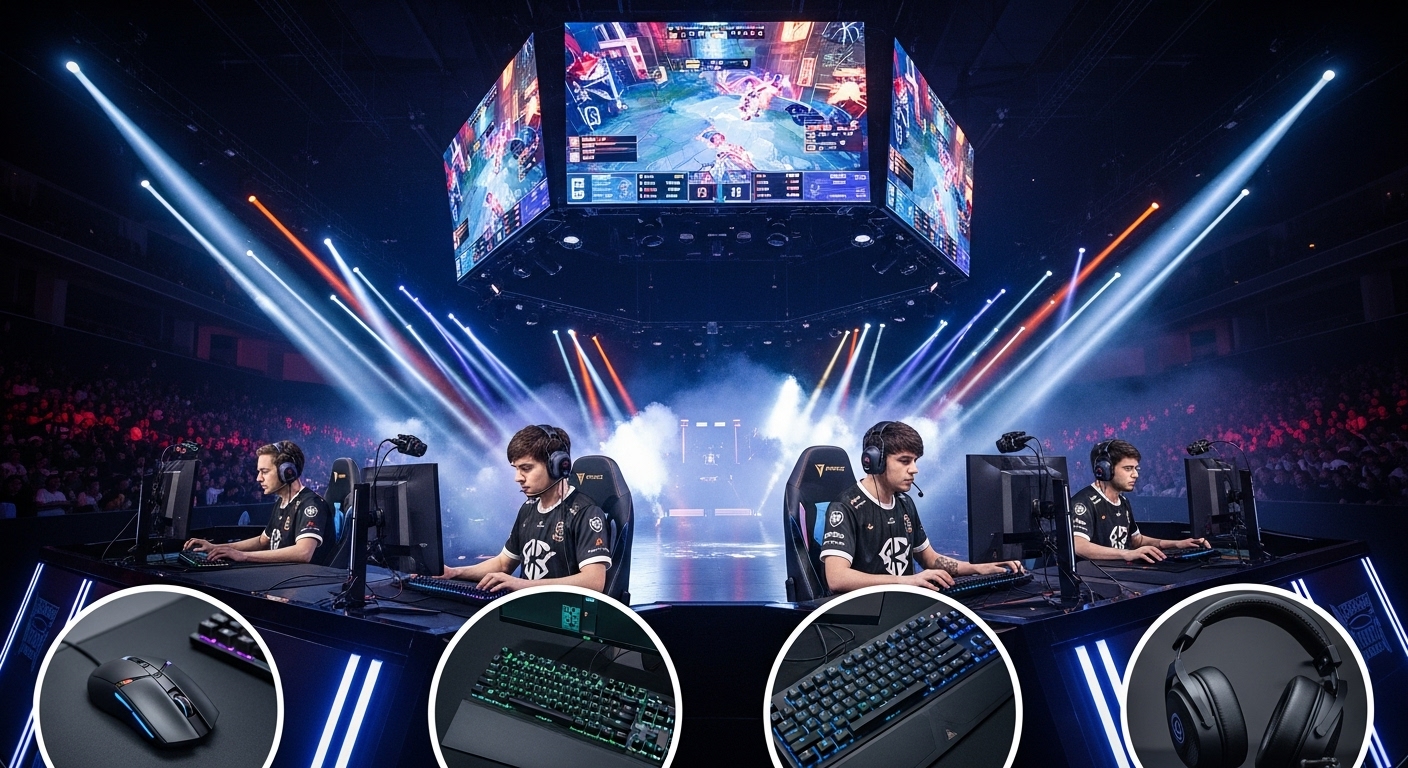
In the vast and ever-evolving world of entertainment, few industries have seen growth as rapid and dramatic as Esports. Once a niche pastime reserved for small gatherings of arcade enthusiasts, Esports has transformed into a global spectacle watched by millions across the globe. What began as informal competitions between friends has evolved into a billion-dollar industry that rivals traditional sports in viewership, investment, and influence. The rise of Esports represents not only a technological triumph but also a cultural shift—an acknowledgment that digital competition is as legitimate and thrilling as its physical counterpart.
Esports, short for electronic sports, encompasses organized, competitive video gaming. Professional players, teams, and organizations now compete in leagues and tournaments across a vast range of games—from tactical shooters and battle arenas to strategy and sports simulations. The growth of Esports reflects a profound change in how people interact with entertainment, technology, and even their sense of identity in a connected digital world.
The Early Days: Seeds of Competitive Gaming
The roots of Esports can be traced back to the early 1970s when video games were in their infancy. The first recognized competitive gaming event took place in 1972 at Stanford University, where students competed in a game called Spacewar. The prize was humble—a year’s subscription to a magazine—but the event marked the beginning of a new form of digital rivalry. During the 1980s, as arcade games became a cultural phenomenon, players began chasing high scores on titles like Pac-Man, Donkey Kong, and Space Invaders. The competition was fierce, but it remained local, informal, and largely community-driven.
The 1990s, however, brought a significant transformation. The rise of the internet, coupled with advances in personal computing and console technology, laid the groundwork for organized tournaments. Games such as Doom, Quake, and StarCraft fostered dedicated fan bases and inspired some of the first professional competitions. LAN parties—where players connected multiple computers in the same location—became the heart of the competitive gaming scene, building communities that would later evolve into today’s professional teams and leagues.
The 2000s: The Foundation of Modern Esports
The early 2000s marked a period of rapid development for Esports. With the expansion of broadband internet, players could now compete from their homes against opponents from across the world. This era also saw the formation of professional leagues and organizations that brought structure and legitimacy to competitive gaming. The introduction of games such as Counter-Strike, Warcraft III, and Dota laid the foundation for modern Esports ecosystems.
In South Korea, the Esports movement achieved mainstream recognition much earlier than in the rest of the world. The Korean government and major corporations supported gaming as a legitimate career path, and television networks began broadcasting matches. Games like StarCraft became national pastimes, with players achieving celebrity status. This cultural acceptance in Korea set the standard for the global expansion of Esports, demonstrating how gaming could transcend entertainment to become a profession and a form of national pride.
Streaming and the Birth of a New Audience
One of the most pivotal moments in Esports history was the rise of online streaming platforms in the late 2000s and early 2010s. Services that allowed players to broadcast their gameplay to audiences worldwide revolutionized the industry. For the first time, fans could watch live tournaments, follow their favorite players, and interact with communities in real time. Streaming made Esports accessible to everyone, breaking down geographical and cultural barriers.
The emergence of content creators and gaming influencers also played a crucial role in expanding the audience. These individuals blurred the lines between competition and entertainment, making gaming more personal and engaging. The concept of watching someone play a game evolved from a casual interest into a social phenomenon. Esports events began filling stadiums and arenas, drawing crowds that rivaled those of traditional sports championships.
The Global Explosion: Esports in the 2010s
By the 2010s, Esports had firmly established itself as a mainstream entertainment industry. Major game publishers began investing heavily in competitive scenes, recognizing the potential of turning games into long-term spectator sports. Titles such as League of Legends, Dota 2, Counter-Strike: Global Offensive, and Overwatch created professional circuits with multi-million-dollar prize pools.
The League of Legends World Championship, The International (for Dota 2), and the Fortnite World Cup attracted millions of viewers across streaming platforms. These events showcased not only the skill and dedication of players but also the sophistication of production, storytelling, and fan engagement that rivaled televised sports. Sponsorships, merchandise, and brand partnerships followed, solidifying Esports as a lucrative global market.
The decade also witnessed the entry of traditional sports franchises into Esports. Organizations associated with basketball, football, and soccer began forming their own gaming divisions, merging the worlds of physical and digital sports. Universities and colleges started offering Esports scholarships, and educational institutions integrated gaming into their athletic programs, legitimizing it further as a recognized discipline.
The Players: Modern-Day Digital Athletes
The perception of gamers has undergone a profound transformation. Professional Esports athletes train for hours daily, following rigorous schedules similar to traditional sports players. Their preparation includes strategy analysis, physical fitness, mental conditioning, and teamwork. Success in Esports requires not just reflexes and skill but also communication, discipline, and emotional resilience.
These players command enormous followings and often serve as role models for younger generations. Top competitors earn substantial incomes through prize winnings, sponsorship deals, and streaming revenue. However, the lifestyle is not without challenges. The pressure to perform, the constant travel, and the physical strain of long hours of practice have raised discussions about player health, burnout, and career longevity. As the industry matures, organizations are increasingly prioritizing the well-being of their players by providing support systems and mental health resources.
The Business of Esports: A Multi-Billion Dollar Ecosystem
Esports is more than just gaming—it’s a multifaceted business ecosystem that includes publishers, sponsors, broadcasters, event organizers, and fans. The global revenue generated by Esports now exceeds billions of dollars annually, driven by sponsorships, advertising, ticket sales, media rights, and merchandise. Major technology companies and consumer brands have recognized Esports as a valuable marketing channel, reaching younger and highly engaged audiences.
The structure of Esports organizations mirrors that of traditional sports teams, with professional management, coaching staff, and dedicated facilities. Training houses and boot camps have become standard, providing players with environments optimized for performance. Tournaments, leagues, and circuits operate year-round, creating a continuous cycle of competition that keeps audiences invested and engaged.
As the business grows, the industry faces questions of sustainability, regulation, and governance. Ensuring fair play, preventing cheating, and maintaining integrity are constant challenges. Some organizations and governing bodies are working to standardize rules and create frameworks that protect both players and investors, paving the way for Esports to become a long-term and respected global institution.
The Role of Technology in Shaping Esports
Technology is at the heart of Esports, driving its innovation and expansion. Advancements in graphics, network infrastructure, and game design have allowed developers to create immersive and competitive experiences. The rise of virtual reality (VR), augmented reality (AR), and cloud gaming continues to redefine what is possible in digital competition.
High-speed internet and low-latency connections have made international play seamless, enabling cross-continental tournaments and real-time spectating. Artificial intelligence is also being used to analyze gameplay, develop strategies, and improve training methods. Broadcasting technology, with real-time overlays, analytics, and commentary, enhances the viewing experience, transforming Esports into a sophisticated form of entertainment.
With emerging technologies such as blockchain and Web3, the next frontier for Esports may include decentralized ownership, fan participation through digital assets, and player-driven economies. These innovations could further blur the boundaries between players, teams, and audiences, creating new models of interaction and engagement.
Esports and the Cultural Revolution
Beyond the competitive aspect, Esports represents a broader cultural movement. It reflects the values of a generation raised in the digital age—collaboration, creativity, and inclusivity. Gaming communities bring together people from different backgrounds, languages, and cultures, united by a shared passion. Esports has become a platform for global connection and cultural exchange.
The industry also challenges stereotypes about gaming and its participants. Once dismissed as an isolating or unproductive activity, gaming is now recognized as a medium of expression, skill, and creativity. Esports tournaments and conventions are celebrated events, showcasing art, music, and technology alongside competition. This cultural recognition has helped elevate gaming into one of the most influential forces in modern entertainment.
The Educational and Social Impact of Esports
Esports has also found its place in education and social development. Schools and universities worldwide are incorporating Esports programs to teach teamwork, leadership, and strategic thinking. These programs provide students with pathways to careers in gaming, broadcasting, marketing, and technology. The transferable skills gained through competitive gaming—such as communication, decision-making, and adaptability—are increasingly valued in various industries.
On a social level, Esports fosters community and inclusion. Online gaming has given people new ways to connect, make friends, and participate in shared experiences regardless of physical location. This inclusivity has also extended to gender and diversity efforts within the industry, with increasing attention being paid to representation and equality in Esports spaces.
The Pandemic Effect: Esports in a Global Crisis
When the world faced the unprecedented challenges of the COVID-19 pandemic, traditional sports and live entertainment came to a halt. Esports, however, adapted quickly. Its digital nature allowed tournaments and leagues to continue online, maintaining fan engagement during a time when physical events were impossible. This adaptability showcased the resilience and versatility of Esports as an entertainment medium.
The pandemic accelerated the global recognition of Esports, attracting new fans and mainstream media coverage. Governments and organizations began to view digital competition as not only entertainment but also a means of maintaining community and connection during isolation. The post-pandemic world has continued to integrate Esports into mainstream entertainment, ensuring that its momentum remains strong.
Challenges Facing the Industry
Despite its success, Esports is not without challenges. Issues such as player burnout, lack of standardized regulations, and financial instability in certain organizations remain concerns. The industry also faces scrutiny over labor practices, gender inequality, and the need for long-term career opportunities beyond active play. Ensuring diversity, safety, and ethical standards will be crucial for the sustainable growth of Esports.
Additionally, the rapid commercialization of Esports brings questions about authenticity and fan trust. As more corporations enter the space, maintaining the community-driven spirit that built Esports will be essential. Striking the balance between professionalism and passion will determine how the industry evolves in the coming years.
The Future of Esports: What Lies Ahead
The future of Esports holds limitless potential. With continued technological innovation, expanding global reach, and increasing mainstream acceptance, the industry is poised for even greater heights. The integration of virtual reality and augmented reality could redefine how games are played and experienced, offering immersive arenas and interactive viewing experiences.
Esports is also expected to play a major role in the evolution of digital entertainment ecosystems. Cross-platform competition, AI-driven training tools, and interactive broadcasting will continue to enhance the spectator experience. As younger generations grow up with gaming as a cultural norm, Esports will likely stand alongside traditional sports as a permanent fixture of global entertainment.
Moreover, the inclusion of Esports in multi-sport events such as the Asian Games and discussions about its potential Olympic future reflect its growing legitimacy. Whether as a form of professional competition, a cultural movement, or a technological frontier, Esports is redefining what it means to be an athlete, a fan, and a participant in the digital age.
Conclusion: The Power of Play in a Connected World
The story of Esports is one of transformation, innovation, and human connection. What began as small gatherings around flickering screens has become a global stage that celebrates skill, creativity, and community. Esports embodies the essence of modern competition—where borders, backgrounds, and physical boundaries fade, leaving only the shared pursuit of mastery and joy in play.
As technology continues to advance and society becomes more intertwined with the digital world, Esports stands as a testament to the power of human imagination and collaboration. It is not just about games; it is about people—millions united by a passion that transcends generations and geography. The rise of Esports is not merely a story of entertainment but a reflection of how the digital age has redefined connection, ambition, and the very meaning of sport itself.