Introduction: Understanding Esports
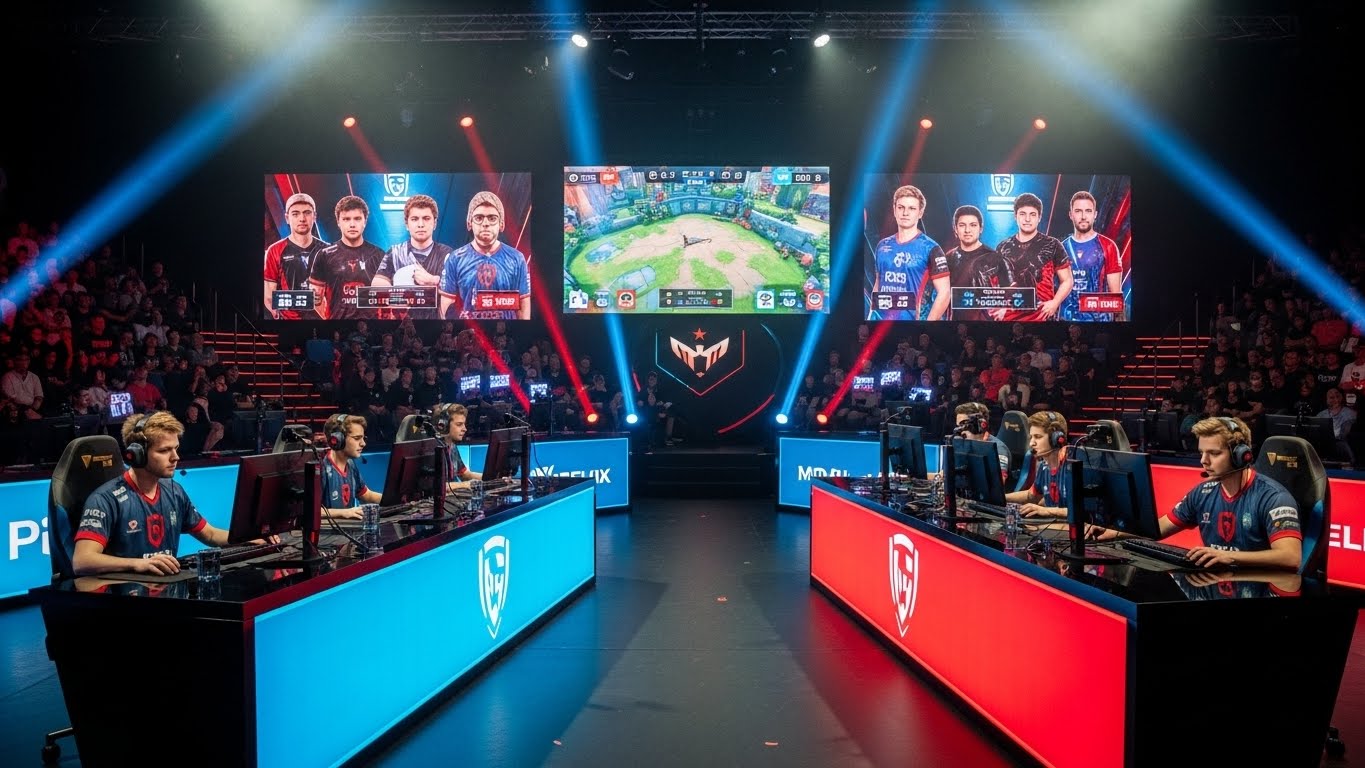
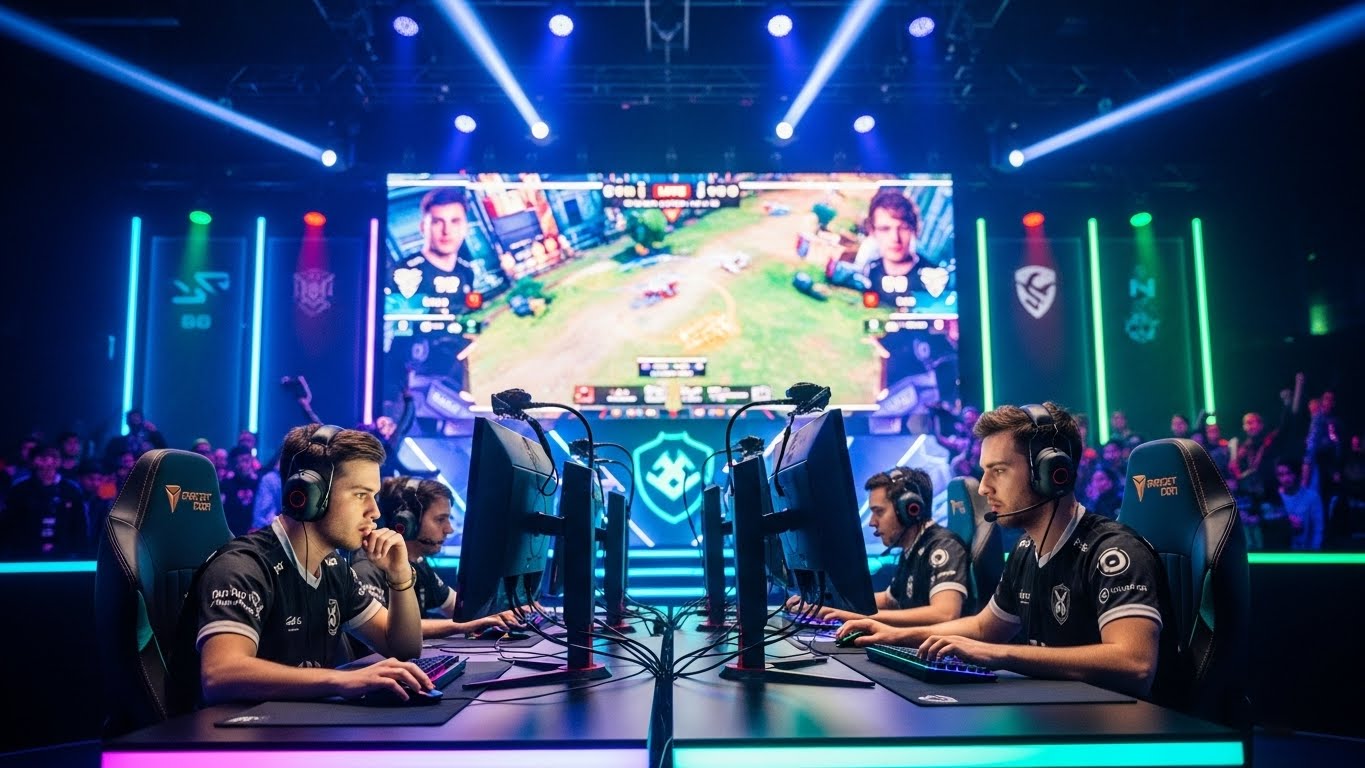
Esports, short for electronic sports, refers to competitive video gaming where individuals or teams face off in organized competitions. Once considered a niche hobby for gamers, esports has grown into a global phenomenon, attracting millions of fans, professional players, and investors worldwide. It is a unique intersection of technology, competition, entertainment, and culture, where skill, strategy, and teamwork determine success.
What makes esports remarkable is its rapid evolution. Over the past two decades, casual gaming communities have transformed into highly professionalized leagues and tournaments, with significant prize pools, corporate sponsorships, and media coverage. The rise of streaming platforms, advanced gaming hardware, and accessible high-speed internet has created an environment where esports thrives as both a spectator sport and a participatory activity.
The Origins of Esports
The concept of competitive gaming predates modern esports. In the 1970s and 1980s, arcade competitions and early video game tournaments began to emerge. Titles like Space Invaders, Pac-Man, and Donkey Kong were featured in competitions where top scores were celebrated in magazines or local events.
The 1990s saw the advent of networked gaming and the birth of professional competitive scenes for PC titles. Doom, Quake, and StarCraft became early esports staples, attracting players willing to travel for tournaments and communities formed around competition. The creation of organized leagues, such as the Cyberathlete Professional League, marked the beginning of esports as a structured, professional endeavor.
These early competitions emphasized skill, strategy, and dedication, laying the groundwork for the esports ecosystem we know today.
The Evolution of Esports Titles
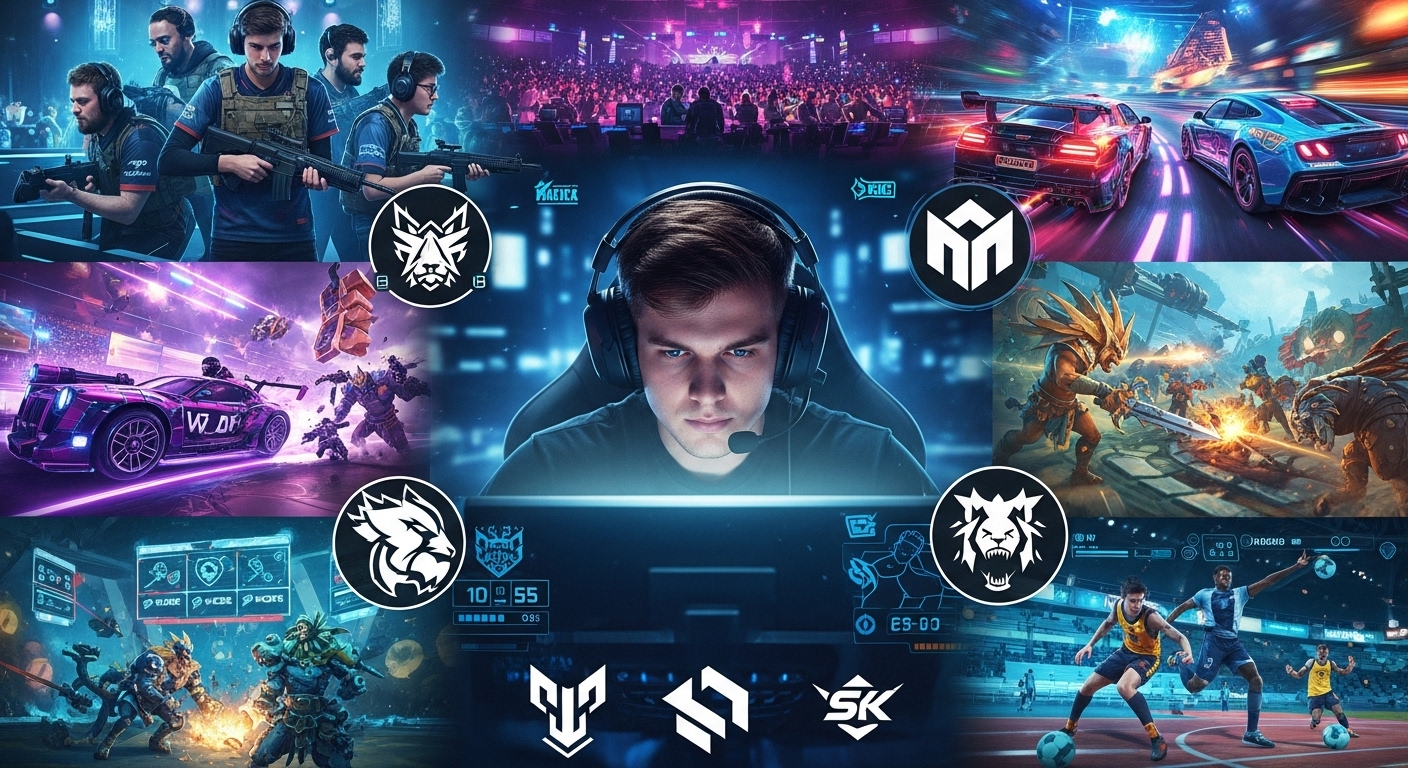
Esports is defined not only by competition but also by the games themselves. Different genres appeal to different audiences and require varied skills, leading to a diverse competitive landscape.
First-Person Shooters (FPS): FPS games such as Counter-Strike, Call of Duty, and Overwatch demand reflexes, accuracy, and coordination. They thrive on fast-paced gameplay and tactical decision-making, making them ideal for competitive play.
Multiplayer Online Battle Arenas (MOBA): Titles like League of Legends and Dota 2 focus on teamwork, strategy, and resource management. Each player controls a unique character with distinct abilities, requiring coordinated strategies to achieve victory. MOBAs have contributed to the rise of professional leagues and massive international tournaments.
Battle Royale Games: Games like Fortnite and PUBG combine survival elements, exploration, and combat. Battle Royale esports often emphasize adaptability, resource management, and individual skill, attracting younger audiences and large streaming communities.
Fighting Games: Titles such as Street Fighter and Tekken focus on one-on-one combat, requiring precise timing, combo execution, and mind games between opponents. Fighting games foster intense competition and loyal communities, with tournaments that highlight skill and strategy.
Sports Simulations: Games like FIFA, NBA 2K, and Madden NFL translate traditional sports into digital arenas. These esports attract both traditional sports fans and gamers, bridging the gap between physical and digital competition.
The diversity of esports titles ensures that the industry appeals to a wide demographic, offering something for every type of competitive gamer.
Esports as a Career
Esports is no longer just a hobby; it has become a legitimate career path. Professional players, coaches, analysts, and content creators make a living through competitive gaming. Top esports athletes can earn significant salaries, sponsorship deals, and tournament winnings, rivaling those of traditional sports stars.
Professional players dedicate thousands of hours to practice, strategy development, and teamwork. Teams operate much like traditional sports organizations, with structured training schedules, physical fitness regimens, and mental coaching. Success in esports requires a combination of talent, discipline, and resilience.
Coaches and analysts also play vital roles, studying opponents, developing strategies, and optimizing team performance. Meanwhile, content creators and streamers provide entertainment, build fan communities, and generate additional revenue streams through sponsorships, subscriptions, and merchandise.
The professionalization of esports has helped legitimize it as a career choice, attracting serious players and investors alike.
The Esports Audience
One of the most remarkable aspects of esports is its massive and growing audience. Millions of fans around the world watch tournaments online, follow their favorite teams, and engage with esports communities. Streaming platforms like Twitch, YouTube Gaming, and Facebook Gaming have made esports accessible to global audiences, allowing fans to watch live matches, interact with players, and participate in chat discussions.
Major tournaments now fill arenas with tens of thousands of spectators, while millions more tune in online. Events like The International (Dota 2), the League of Legends World Championship, and Fortnite World Cup showcase the popularity of esports on a global scale. These events are not only competitions but also entertainment spectacles, complete with production quality, commentary, and fan engagement.
The audience’s involvement is critical to esports’ success. Fan loyalty drives sponsorships, merchandise sales, and tournament funding, creating a self-sustaining ecosystem that continues to grow.
The Business of Esports
Esports has become a multi-billion-dollar industry, attracting investment from corporations, media companies, and advertisers. Revenue streams include tournament prize pools, team sponsorships, broadcasting rights, merchandising, and streaming platform partnerships.
Major brands from non-gaming industries, such as automotive, fashion, and consumer electronics, have recognized esports’ marketing potential. Sponsorship deals with teams and tournaments help brands connect with young, engaged audiences that are highly active on digital platforms.
Esports organizations are structured similarly to traditional sports franchises. They manage multiple teams, provide training facilities, and invest in marketing and fan engagement. The growth of esports leagues with standardized regulations and professional contracts has solidified the industry’s legitimacy.
Streaming and Content Creation
Streaming has revolutionized esports by making it accessible to fans worldwide. Platforms like Twitch have turned live broadcasting into a central component of esports culture. Fans can watch matches, follow their favorite players, and even participate in live chats.
Content creators supplement the competitive scene by producing tutorials, highlights, and entertainment videos. These creators build communities, provide education for new players, and generate additional revenue streams for the industry. The synergy between competitive play and streaming has expanded esports’ reach and popularity exponentially.
Streaming also allows players to monetize their skills outside of tournaments. Many professional gamers earn income through subscriptions, donations, and sponsorships while engaging directly with fans. This dual model of competition and content creation strengthens esports as both a career and a cultural phenomenon.
Global Reach of Esports
Esports is truly a global industry. South Korea is often considered the birthplace of modern esports, with a culture that elevated competitive gaming to a national pastime. Games like StarCraft dominated television broadcasts and internet cafes, inspiring a generation of professional players.
In Europe and North America, esports has grown through professional leagues, university programs, and online communities. Countries in Southeast Asia, Latin America, and the Middle East have also embraced esports, hosting tournaments and cultivating local talent.
The global nature of esports is reflected in international tournaments where teams from different continents compete, fostering cultural exchange and global fan bases. This worldwide reach highlights esports’ unique ability to transcend borders and unite players and audiences through shared passion.
The Role of Technology in Esports
Technology is the backbone of esports. High-performance computers, gaming consoles, and peripherals provide the precision and responsiveness required for competitive play. High-speed internet enables seamless online competition, live streaming, and global tournaments.
Game developers also leverage technology to support esports ecosystems. Features like spectator modes, replay systems, and analytics tools enhance gameplay analysis, fan engagement, and broadcasting quality. Technology ensures fairness, accuracy, and excitement in every match, creating a professional and polished experience for players and viewers alike.
The Social Impact of Esports
Esports is not just about competition—it has social and cultural significance. It creates communities where players can connect, collaborate, and compete. Online forums, fan groups, and social media platforms allow fans to share strategies, celebrate victories, and discuss games.
Esports also encourages skill development. Players enhance hand-eye coordination, strategic thinking, teamwork, and decision-making skills. For many, participation fosters personal growth, resilience, and social interaction, particularly in digital spaces where physical proximity is not required.
Moreover, esports is increasingly recognized as a legitimate sport in schools and universities. Collegiate esports programs provide scholarships, structured training, and competitive opportunities, bridging traditional education with digital innovation.
Challenges in Esports
Despite its rapid growth, esports faces challenges. The industry is highly competitive, with short career spans for players due to physical and mental strain. Burnout, stress, and repetitive strain injuries are common among professional gamers.
There are also concerns regarding fairness and integrity. Cheating, match-fixing, and unethical practices threaten the credibility of competitions. Developers and tournament organizers must implement strict regulations, monitoring systems, and anti-cheating measures to maintain trust.
Diversity and inclusivity remain areas for improvement. Historically male-dominated, esports is gradually welcoming more female and underrepresented players, but there is still work to be done to ensure equal opportunities and safe environments.
The Future of Esports
The future of esports is bright and full of potential. Emerging technologies like virtual reality, augmented reality, and cloud gaming will expand the ways in which players compete and audiences engage. Cross-platform play, improved streaming quality, and AI-driven analytics will further enhance competitiveness and entertainment value.
Esports is also likely to see further integration into mainstream media, traditional sports networks, and global events. Its accessibility, combined with the rising popularity of gaming culture, ensures that esports will continue to grow and evolve as both a professional sport and entertainment medium.
As the industry matures, professionalization, infrastructure development, and global collaboration will make esports more sustainable, equitable, and appealing to new generations of players and fans.
Conclusion: Esports as a Cultural and Competitive Force
Esports has evolved from humble beginnings into a global phenomenon that blends competition, entertainment, and community. Its impact extends beyond gaming, influencing media, technology, and culture. Professional players, coaches, streamers, and fans contribute to an ecosystem that is dynamic, innovative, and rapidly growing.
The industry’s global reach, technological integration, and cultural relevance ensure that esports is more than a passing trend—it is a transformative force in modern entertainment. Its legacy lies in the opportunities it provides, the communities it builds, and the excitement it generates for millions of participants worldwide.
As esports continues to expand, it redefines the meaning of competition in the digital age, proving that skill, strategy, and passion can thrive in a virtual arena. It is a phenomenon that unites people across continents, celebrates human creativity and mastery, and continues to shape the future of gaming and entertainment.