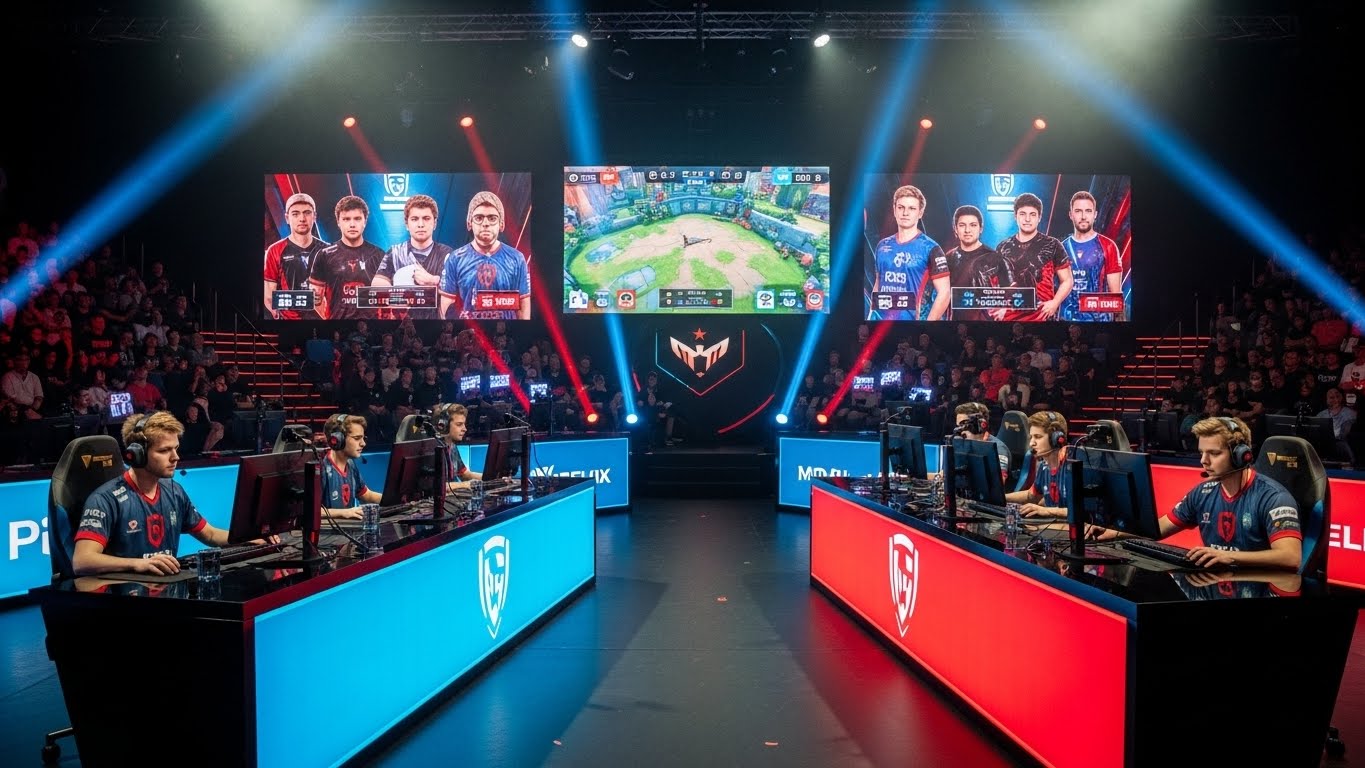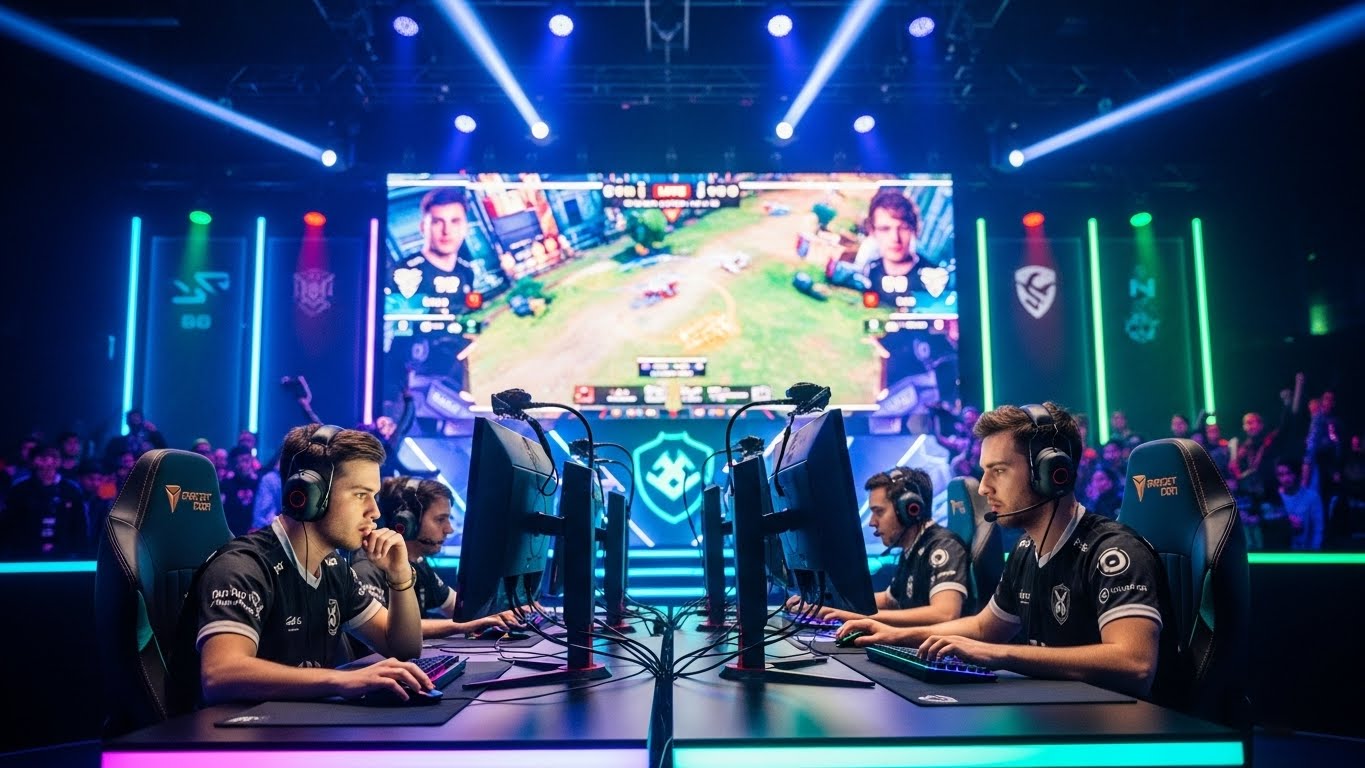

Esports has emerged as one of the fastest-growing entertainment industries in the world, transforming the way people perceive gaming and competition. Once considered a niche hobby, esports has evolved into a global phenomenon, attracting millions of viewers, professional players, and sponsors from diverse industries. This new form of competition combines skill, strategy, technology, and storytelling, creating experiences that rival traditional sports in excitement and cultural impact. Esports is not merely about playing video games—it is about building communities, careers, and a shared sense of achievement in a digital arena.
The Origins of Competitive Gaming
The roots of esports can be traced back to the early days of video games. In the late 1970s and 1980s, arcade games and early home consoles introduced competitive challenges to players worldwide. Games such as Space Invaders, Pac-Man, and Donkey Kong inspired local tournaments, often held in arcades or school competitions. These events created the first communities of players who were not just casual gamers but enthusiasts seeking mastery and recognition. The concept of high scores and leaderboard rankings became the first form of competitive gaming, laying the foundation for organized esports.
The Rise of LAN Tournaments
By the 1990s, the rise of local area networks (LAN) and multiplayer PC games transformed competitive gaming. Games like Doom, Quake, and StarCraft allowed players to compete against each other in real-time, fostering the first true esports competitions. LAN tournaments brought players together physically, creating environments similar to traditional sports events. The camaraderie, rivalry, and excitement experienced in these early tournaments fueled the passion for competitive gaming. These events also highlighted the importance of strategy, teamwork, and quick decision-making, core elements that would define esports in the coming decades.
Esports in the Internet Era
The proliferation of the internet in the 2000s revolutionized esports. Online gaming allowed players from around the world to compete in real-time, creating a global community of competitors and fans. Titles like Counter-Strike, Warcraft III, and DotA became cultural landmarks, with professional players gaining recognition and sponsorships. Online streaming platforms enabled audiences to watch competitions live, transforming esports from a hobby into spectator entertainment. The ability to connect, compete, and share experiences worldwide accelerated the growth of esports, establishing it as a serious and respected form of competition.
The Emergence of Professional Esports
As esports gained popularity, professional leagues and teams began to form. Players could now dedicate themselves full-time to training, competition, and sponsorship deals, turning gaming into a viable career. Titles like League of Legends, Dota 2, and Call of Duty became cornerstones of professional esports, with organized leagues, seasonal tournaments, and world championships. Teams operated similarly to traditional sports franchises, with coaches, analysts, and support staff to optimize performance. The professionalization of esports elevated the level of play, attracting larger audiences and legitimizing gaming as a serious and competitive endeavor.
The Role of Streaming Platforms
Streaming platforms have played a pivotal role in the growth of esports. Platforms like Twitch, YouTube Gaming, and Mixer provided a space for players to broadcast their matches, interact with fans, and build personal brands. Live streaming transformed esports from a niche activity to mainstream entertainment, allowing audiences to experience the thrill of competition in real-time. Streamers became cultural icons, influencing trends, promoting games, and creating communities around their channels. Streaming not only popularized esports but also created new opportunities for content creation, marketing, and fan engagement.
Global Esports Tournaments
One of the defining features of modern esports is its global competitive scene. International tournaments attract the best players from every corner of the world, offering massive prize pools and prestige. Events such as The International for Dota 2, the League of Legends World Championship, and the Fortnite World Cup have become major spectacles, watched by millions both in-person and online. These tournaments combine the excitement of sports with the immersion of gaming, featuring elaborate production, live commentary, and audience interaction. Global competitions have also helped unify the esports community, creating shared experiences and narratives that resonate across cultures.
Esports and Sponsorship
Sponsorship has become a crucial driver of esports growth. Brands from technology, apparel, energy drinks, and even automotive industries have invested heavily in esports teams, tournaments, and streaming content. Sponsorship deals provide financial stability for professional players and organizations, enabling them to focus on training and competition. In return, sponsors gain exposure to a highly engaged and young demographic that is difficult to reach through traditional marketing. The relationship between esports and sponsorship has elevated the industry, turning competitions into lucrative and high-profile events that rival traditional sports in commercial impact.
The Role of Technology in Esports
Technology underpins every aspect of esports. High-performance gaming PCs, consoles, and peripherals ensure players can compete at peak performance. Advanced networking and streaming technology allow seamless online competition, even across continents. Data analytics and performance tracking are increasingly used to optimize strategies and identify areas for improvement. Virtual reality and augmented reality are emerging as new frontiers in esports, offering immersive experiences for both players and audiences. Technology not only enables the growth of esports but also shapes its future, allowing competitions to become more engaging, accessible, and innovative.
The Cultural Impact of Esports
Esports has become more than just competition; it is a cultural phenomenon. It has influenced fashion, language, and social behavior, creating a distinct identity for gamers and fans. Cosplay, fan art, and community events celebrate the creativity and passion within esports culture. Esports has also influenced mainstream media, with movies, documentaries, and television shows highlighting the stories of professional players and competitive communities. By blending gaming, competition, and entertainment, esports has become a platform for storytelling, social interaction, and cultural expression.
Esports as a Career Path
For many, esports offers a legitimate career path. Professional players earn salaries from team contracts, prize winnings, and streaming revenue. Coaches, analysts, commentators, and content creators have also emerged as essential roles within the industry. Esports organizations operate with management structures similar to traditional sports franchises, emphasizing training, strategy, and professional development. This career path requires dedication, discipline, and a deep understanding of games, mirroring the rigor of traditional athletic training. Esports has transformed gaming from a hobby into a viable profession, providing opportunities for individuals to pursue their passion while achieving financial stability and recognition.
The Psychology of Esports
The mental aspect of esports is as important as technical skill. Players must maintain focus, manage stress, and make quick decisions under pressure. Team coordination and communication are critical for success, especially in multiplayer titles that require strategic planning. Mental resilience, adaptability, and emotional intelligence are essential traits for professional players. Sports psychologists are increasingly becoming part of esports organizations, helping players manage performance anxiety, burnout, and team dynamics. The psychological demands of esports highlight the complexity and intensity of competitive gaming, reinforcing its legitimacy as a serious form of competition.
Esports and Education
Esports has also found a place in education. Universities and schools are establishing esports programs, offering scholarships, and creating competitive teams. These programs teach teamwork, communication, strategic thinking, and digital literacy. Academic institutions recognize the potential of esports to engage students, develop leadership skills, and foster community. By integrating esports into education, schools provide opportunities for students to pursue their passion while developing valuable skills for the future. The academic recognition of esports underscores its growing influence and the importance of nurturing talent within structured environments.
Diversity and Inclusion in Esports
Diversity and inclusion are critical considerations in esports. While gaming has historically been male-dominated, initiatives are emerging to support women, LGBTQ+ individuals, and underrepresented communities. Inclusive tournaments, mentorship programs, and community outreach aim to create a more welcoming environment for all players. Representation matters, as diverse voices enrich the competitive scene and contribute to broader cultural understanding. Esports has the potential to be a model for inclusivity, leveraging its digital nature to transcend traditional social barriers and create communities united by skill, passion, and creativity.
Challenges Facing the Esports Industry
Despite its growth, esports faces several challenges. The industry must address issues related to player health, including physical strain, mental fatigue, and burnout. Regulatory and ethical concerns, such as match-fixing, doping, and cheating, require vigilant oversight. Monetization and revenue sharing remain complex, as the industry navigates sponsorship, streaming, and tournament earnings. Additionally, ensuring accessibility and inclusivity across regions and socioeconomic backgrounds is an ongoing concern. Overcoming these challenges is essential for sustaining growth, credibility, and long-term success within esports.
The Future of Esports
The future of esports is bright and full of potential. Advancements in technology, including virtual reality, cloud gaming, and AI-driven analytics, will enhance both competition and spectator experiences. Global connectivity will continue to expand audiences, while cross-industry collaborations will create new opportunities for entertainment and sponsorship. Esports is likely to continue integrating with mainstream sports, entertainment, and media, further blurring the lines between digital and traditional competition. As the industry matures, it will continue to inspire innovation, community engagement, and cultural impact on a global scale.
Conclusion
Esports represents a transformative force in the world of entertainment and competition. From its humble beginnings in arcades and LAN tournaments to its current status as a global phenomenon, esports has redefined what it means to compete, connect, and entertain. It combines technology, skill, and storytelling to create experiences that captivate audiences worldwide. Professional players, teams, and organizations have turned gaming into viable careers, while streaming platforms and global tournaments have brought the excitement of esports to millions. Despite challenges, the industry’s growth, cultural influence, and technological innovation indicate that esports will continue to shape the future of entertainment for decades to come. Esports is no longer just a pastime—it is a revolution, uniting players, fans, and communities in a celebration of skill, strategy, and the endless possibilities of digital competition.