Introduction: From Basement LAN Parties to Global Stadiums
There was a time when video games were seen merely as a hobby — a pastime for teenagers in dimly lit rooms surrounded by glowing screens and energy drinks. Yet, in just a few decades, gaming has transcended that narrow stereotype and evolved into something monumental: Esports. Short for “electronic sports,” Esports represents the competitive side of video gaming, where professional players, teams, and organizations battle for fame, glory, and millions of dollars in prize money.
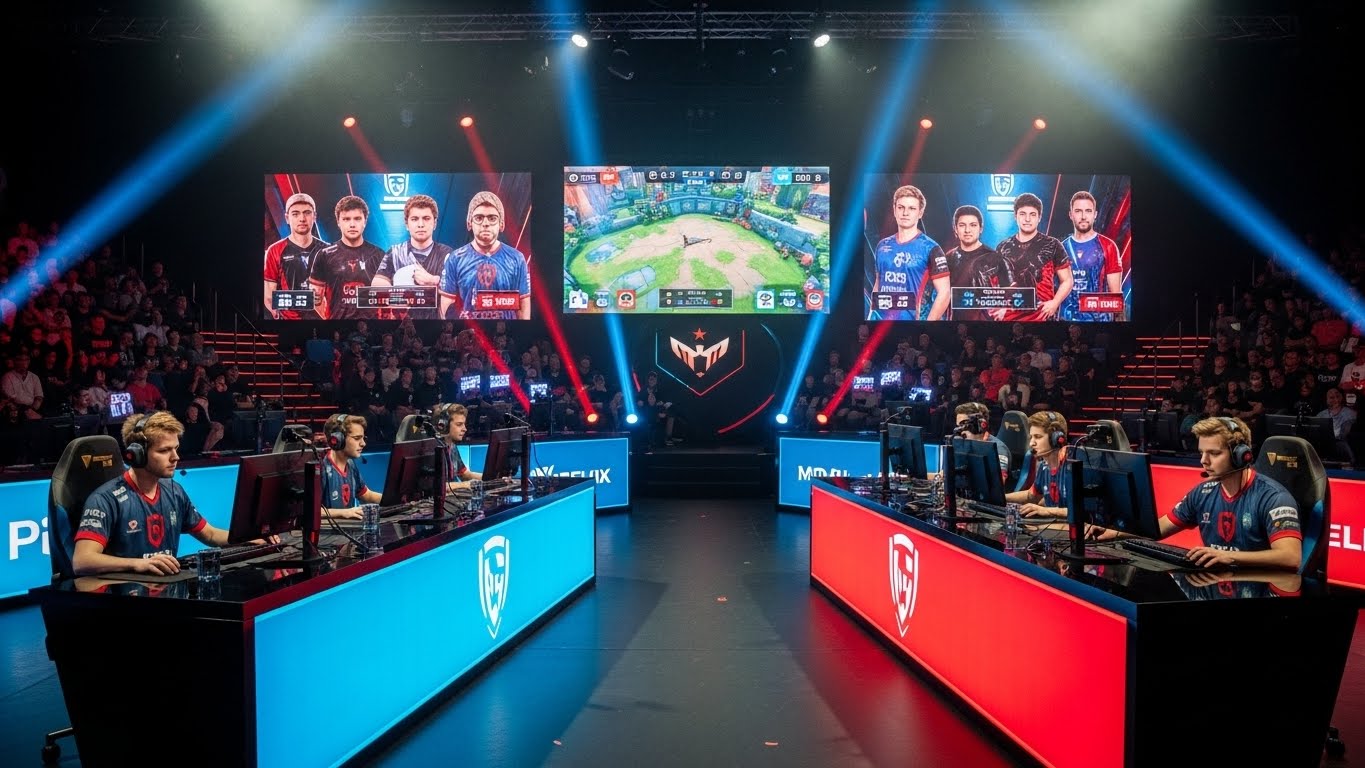
What was once considered a niche subculture has become one of the most influential movements in modern entertainment. Today, arenas once reserved for basketball or concerts fill with roaring fans cheering for their favorite gamers. Live broadcasts reach millions worldwide, rivaling traditional sports events in viewership. Esports has not only changed the way people perceive gaming but has also reshaped the cultural and economic landscape of entertainment itself.
The Origins of Competitive Gaming
The idea of playing video games competitively is older than most people realize. In 1972, at Stanford University, a group of students gathered for what is often considered the first video game competition — a Spacewar tournament. The winner received a year’s subscription to Rolling Stone magazine. Though modest, this event set the stage for something far greater.
Through the 1980s and 1990s, the rise of arcade games like Pac-Man and Donkey Kong spurred informal competitions for high scores. Then came the home console era, where games like Street Fighter II and Super Smash Bros. ignited head-to-head rivalries. Local tournaments and community events became the backbone of early gaming competition. It was the birth of a culture built around skill, reflexes, and pride.
The real transformation began in the late 1990s with the explosion of PC gaming and the internet. Titles like StarCraft in South Korea and Counter-Strike in Europe brought competitive gaming into organized, professional formats. Internet cafés, known as PC bangs in Korea, became breeding grounds for the first generation of professional players. Esports as a concept was now taking shape.
The South Korean Catalyst
If there was one country that laid the foundation for the global Esports movement, it was South Korea. After the Asian financial crisis of 1997, the Korean government heavily invested in digital infrastructure. High-speed internet became widely available, and online gaming flourished. Games like StarCraft became national obsessions, with professional leagues, sponsorships, and televised matches dominating airwaves.
By the early 2000s, professional gamers in Korea had fan clubs, corporate sponsorships, and even celebrity status. Players such as Lim “BoxeR” Yo-hwan became household names. This professionalized environment provided a model for other countries to follow. Korea demonstrated that gaming was not just recreation — it could be a career, a sport, and a form of entertainment with global appeal.
The Global Expansion of Esports
As broadband internet spread across the world, Esports began to grow exponentially. North America and Europe soon followed Korea’s lead. Tournaments for games like Counter-Strike 1.6, Quake III Arena, and Warcraft III drew international competitors. Platforms like Twitch and YouTube later accelerated this growth by allowing millions of fans to watch live matches from anywhere on the planet.
The 2010s marked the golden age of Esports expansion. Titles such as League of Legends, Dota 2, Call of Duty, Overwatch, and Fortnite became cornerstones of the industry. Developers began designing games specifically for competitive play, integrating ranking systems, spectator modes, and organized leagues.
Events like The International, the Dota 2 world championship, and the League of Legends World Championship attracted prize pools of tens of millions of dollars and sold out massive venues. What once took place in internet cafés now filled arenas like Madison Square Garden and Staples Center. Esports was no longer a subculture — it was mainstream entertainment.
The Business of Esports: An Industry in Overdrive
Esports is not merely about competition; it is a booming business ecosystem. It has its own economy, complete with players, coaches, managers, analysts, commentators, broadcasters, and sponsors. Teams operate much like traditional sports franchises, with player contracts, training facilities, and brand deals.
Corporate giants have entered the scene, recognizing the marketing potential of reaching the coveted youth demographic that watches Esports more than traditional television. Sponsorships from companies in technology, energy drinks, and even luxury brands have poured in. Media rights, merchandising, and ticket sales all contribute to a rapidly expanding revenue stream.
By the mid-2020s, global Esports revenues surpassed the billion-dollar mark annually. Streaming platforms continue to dominate as the primary medium for consumption, but major broadcasters have also begun to air tournaments. The inclusion of Esports in events like the Asian Games signaled growing recognition at an institutional level.
The Players: New-Age Athletes
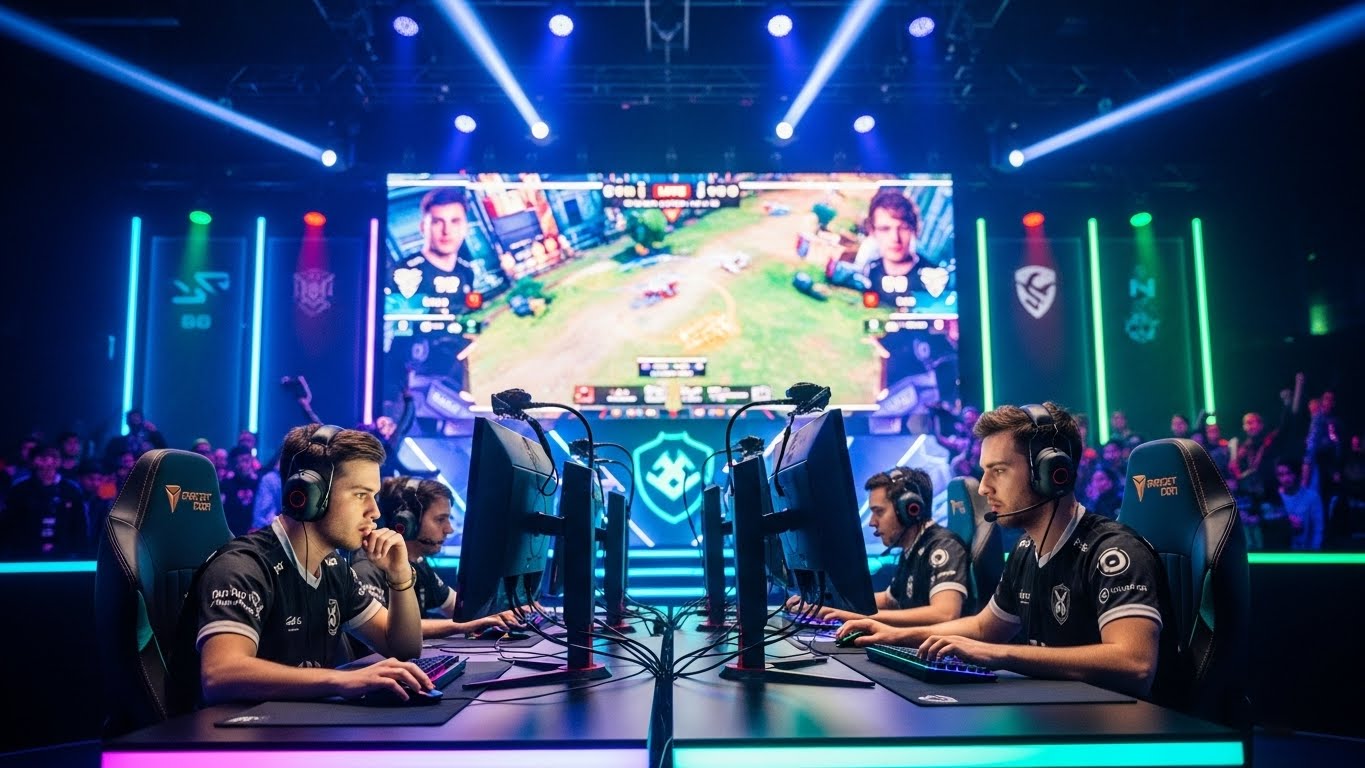
Professional gamers, once dismissed as “just kids playing games,” are now recognized as legitimate athletes in many parts of the world. They train rigorously for hours each day, refining reflexes, strategies, and team coordination. Mental endurance, focus, and hand-eye coordination are tested to extreme levels. In many cases, a single mistake can cost hundreds of thousands of dollars in prize money.
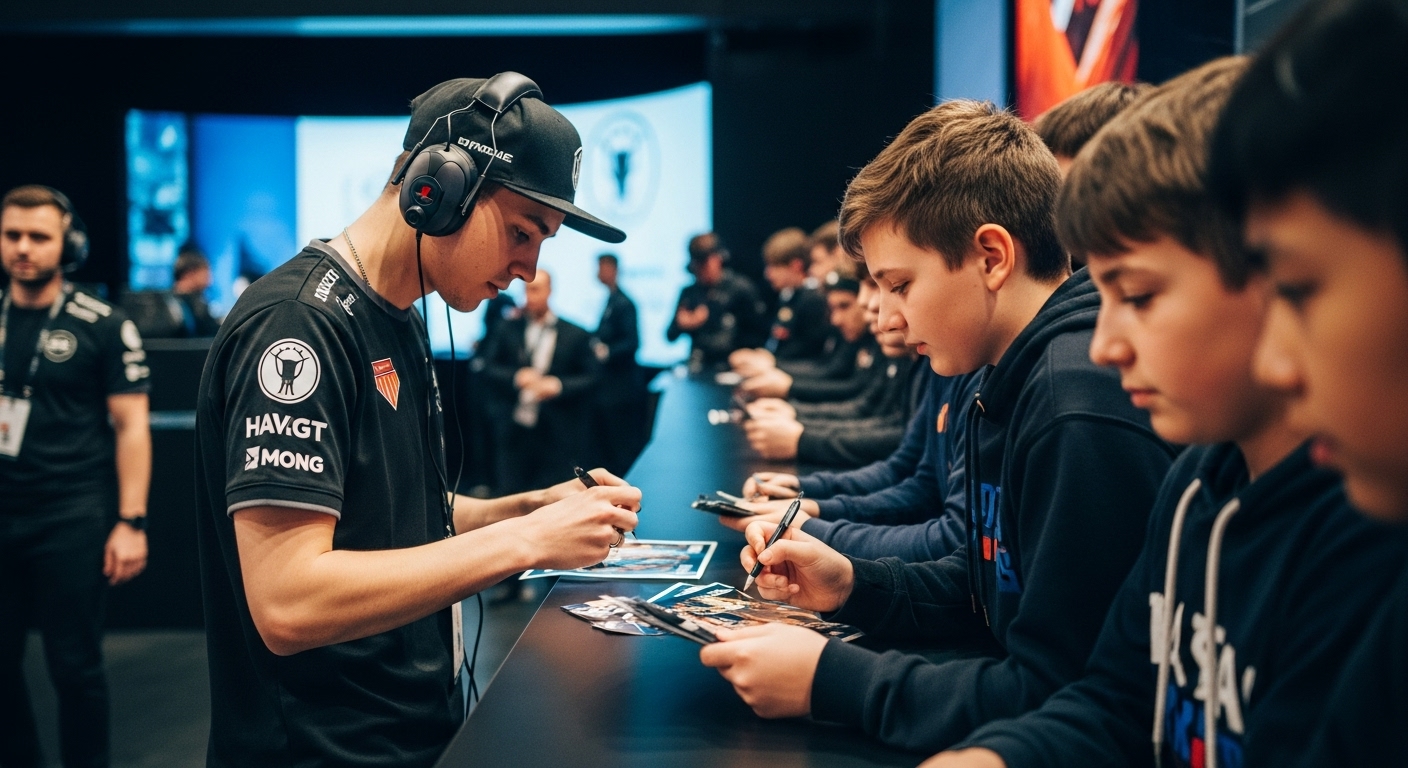
Players such as Faker from League of Legends, s1mple from Counter-Strike: Global Offensive, and N0tail from Dota 2 have become icons of the digital era. Their dedication mirrors that of traditional athletes — strict diets, physical exercise, and structured team practices are now the norm. Many teams employ sports psychologists and fitness trainers to maintain both mental and physical well-being.
Yet, the life span of an Esports player is relatively short. Most professional careers peak between the ages of 18 and 25, as the demanding reflex-based gameplay favors younger competitors. Retirement often comes early, though many former pros transition into coaching, streaming, or content creation, keeping them active within the industry.
The Games That Defined Esports
Esports is not a single game or genre; it is a collection of diverse competitive formats. Each major title has shaped the landscape in its own way.
StarCraft laid the foundation for strategy-based competition, emphasizing precision and multitasking. Counter-Strike defined the first-person shooter category with its blend of tactics and teamwork. League of Legends and Dota 2 brought the multiplayer online battle arena (MOBA) genre to the forefront, attracting massive global audiences. Overwatch introduced hero-based shooters, merging elements of strategy and personality-driven play.
Battle royale games like Fortnite and PUBG further expanded Esports’ reach by blending casual play with professional tournaments. These games appealed to a younger demographic, drawing in millions of new fans who might not have followed traditional Esports before.
Each title cultivates its own community, rules, and competitive ecosystem. Together, they form the diverse, ever-evolving tapestry of modern Esports.
The Spectator Experience
One of the most fascinating aspects of Esports is how it bridges interactivity and entertainment. Unlike traditional sports, where fans can only watch, Esports fans can play the exact same games their heroes do. This creates a unique bond between players and audiences. Fans understand the mechanics, strategies, and nuances at a deeper level.
The broadcasting style of Esports also evolved to suit digital audiences. Commentators, often called “casters,” bring excitement and analysis similar to sports commentators, while real-time data overlays enhance the viewer experience. Chat interactions during live streams allow fans to engage with one another, creating a sense of community that traditional sports rarely match.
Large-scale live events provide yet another dimension. Light shows, music performances, and elaborate stage designs turn tournaments into full-scale spectacles. Fans travel from around the world to witness their favorite teams compete live, proving that digital passion can translate into physical fandom.
Esports and Education
In recent years, Esports has entered educational institutions. High schools and universities around the world now offer Esports programs, scholarships, and even degrees in gaming management, production, and design. These programs acknowledge the legitimacy of Esports as both a competitive and academic field.
Educational Esports focuses not only on playing but also on teamwork, leadership, communication, and digital literacy. Schools use gaming as a way to teach collaboration, problem-solving, and strategy. This academic embrace of Esports signals a shift in cultural perception — gaming is no longer the enemy of education but a tool for innovation and engagement.
The Cultural Impact of Esports
Esports has become a global cultural phenomenon that transcends geography, language, and age. It reflects the interconnectedness of the digital generation. The shared experience of watching a championship match unites people across continents. Players from different backgrounds compete on equal footing, judged solely by skill.
The influence of Esports extends into music, fashion, and entertainment. Collaborations between game developers and musicians, such as live performances during tournaments, highlight its creative crossover potential. Esports athletes feature in documentaries, and gaming-inspired clothing lines blur the lines between streetwear and team apparel.
Esports has also reshaped the entertainment hierarchy. Younger audiences often prefer watching a streamer play Valorant or Apex Legends over traditional television shows. This shift challenges older media models, signaling a future where interactive entertainment reigns supreme.
Challenges and Controversies
Despite its rapid growth, Esports faces several challenges. One major issue is the physical and mental health of players. Long hours of training can lead to burnout, repetitive strain injuries, and stress. Without proper regulation, players may struggle to balance performance and well-being.
Another concern is stability. The Esports scene is heavily dependent on specific games and publishers. When a developer discontinues support or changes the game’s direction, entire competitive scenes can vanish overnight. This dependency makes sustainability a complex issue.
Toxic behavior and online harassment also plague the community at times. Maintaining sportsmanship and inclusivity remains a constant battle. Gender representation, too, continues to be a topic of discussion, as women and non-binary players often face barriers in competitive gaming spaces.
Finally, the question of governance looms large. Unlike traditional sports with established governing bodies, Esports is fragmented, with each game having its own organizers and rules. The lack of a unified structure can lead to inconsistencies in player treatment, contracts, and competitive fairness.
Technology and the Future of Esports
Technology drives every aspect of Esports — from gameplay and broadcasting to training and analytics. The future promises even greater integration of innovation. Artificial intelligence and machine learning are being used to analyze gameplay, predict outcomes, and provide strategic insights. Virtual reality and augmented reality may soon create new types of interactive Esports experiences.
5G connectivity, cloud gaming, and faster processors will continue to remove barriers for global participation. Players from any region can compete seamlessly, further democratizing access to professional play. Meanwhile, blockchain and digital ownership technologies may redefine how players and fans engage with virtual assets and collectibles.
Esports is also poised to expand into new genres. Simulation games, sports titles, and even rhythm-based games could enter the competitive mainstream. As gaming becomes more immersive, Esports will likely evolve beyond screens, merging with physical and mixed-reality environments.
The Integration with Traditional Sports
Interestingly, traditional sports organizations have begun investing heavily in Esports. Football clubs, basketball teams, and racing franchises now have their own Esports divisions. This crossover reflects mutual recognition: sports see Esports as a way to engage younger audiences, while Esports gains credibility and financial stability.
Events like the NBA 2K League, Formula 1 Esports Series, and FIFA eWorld Cup bridge the gap between physical and digital competition. The line separating athlete and gamer continues to blur. The shared values of teamwork, competition, and excellence unify both worlds.
Some experts even predict that Esports will be part of future Olympic events. While this debate continues, the symbolic inclusion of Esports as a demonstration sport in international competitions underscores its legitimacy.
The Community and Its Power
The real strength of Esports lies in its community. Millions of fans create, share, and participate in an endless stream of content. Memes, highlight reels, analysis videos, and fan art sustain engagement year-round. This participatory culture turns audiences into active contributors, shaping narratives and trends.
Communities organize grassroots tournaments and charity streams, proving that Esports is not only about professional play but also about shared passion. Local events and amateur leagues help aspiring players develop skills and make connections. The Esports community, while virtual in nature, fosters real-world friendships and collaborations.
The Future Outlook: Beyond Entertainment
Looking ahead, Esports shows no sign of slowing down. Analysts project continued growth in viewership, sponsorship, and global participation. Yet, beyond the numbers, Esports represents something deeper — the merging of technology, creativity, and competition into a new form of human expression.
In an increasingly digital world, Esports offers connection. It transcends borders, giving people common ground in a shared digital arena. It celebrates intellect, precision, and strategy as much as physical prowess. It reflects the spirit of the modern era — fast, interconnected, and boundlessly creative.
The coming years will see Esports mature further as an industry and culture. With better regulation, inclusivity, and technological advancement, it may become not just the future of gaming but a defining pillar of global entertainment.
Conclusion: The Legacy of the Digital Gladiators
Esports has traveled a remarkable journey — from pixelated duels in university basements to sold-out world championships with dazzling production and million-dollar prizes. It stands today as a testament to human adaptability and passion. The players who once faced skepticism have become icons. The fans who once gathered online now fill entire arenas.
What began as play has transformed into profession, art, and community. Esports embodies the essence of the digital age — competitive, creative, and constantly evolving. It teaches that greatness is no longer confined to the physical field or the running track; it can also emerge from a glowing screen, powered by skill, strategy, and unrelenting dedication.
The story of Esports is still being written, but one truth is already clear: it has forever changed the meaning of sports, entertainment, and connection in the modern world. The future belongs to those who can adapt, compete, and innovate — and nowhere is that more evident than in the electric, ever-expanding world of Esports.