Esports has evolved from humble beginnings into a global powerhouse that now captivates millions of viewers, players, and investors. Once relegated to the fringes of entertainment, competitive gaming has become one of the most lucrative and fast-growing industries in the world. From packed stadiums to streaming platforms, esports has carved a niche that rivals traditional sports in both viewership and revenue. But what exactly has fueled this meteoric rise, and where is the industry heading? This post dives into the factors driving the success of esports, its cultural significance, and the exciting future that lies ahead.
The Origins of Esports: From Arcade Games to Online Competitions
The roots of esports can be traced back to the early days of video gaming in the 1970s. The first known video game competition took place in 1972 at Stanford University with the game Spacewar. The winner received a subscription to Rolling Stone magazine, a modest prize but a signal that competitive gaming had arrived. These early tournaments were small affairs, but they set the stage for what would come decades later.
As home video gaming consoles like the Atari 2600, Nintendo Entertainment System (NES), and Sega Genesis made their way into living rooms across the globe, the notion of playing with and against others evolved. Local multiplayer games like Street Fighter and Mortal Kombat introduced competitive elements in a fun, social context, and it wasn’t long before these games found their way into tournaments and competitions.
The late 1990s and early 2000s saw a major shift in competitive gaming with the advent of online multiplayer games. Titles like Quake and StarCraft revolutionized how players competed, allowing them to face off against others around the world in real-time. The introduction of broadband internet played a major role in this transformation, allowing for smoother and more reliable connections. It was during this time that esports began to take its first true steps toward becoming a global phenomenon.
South Korea: The Birthplace of Modern Esports
Though esports began to emerge globally, South Korea played an essential role in shaping the industry as we know it today. In the late 1990s, South Korea’s government and private enterprises invested heavily in high-speed internet infrastructure, giving rise to an online gaming culture unlike anywhere else in the world. The country’s obsession with competitive gaming was fueled by a mix of cultural factors, including the popularity of games like StarCraft and the rise of professional gaming leagues.
South Korea’s dedication to esports took shape in the early 2000s with the establishment of the Korean e-Sports Association (KeSPA), which formalized the competitive gaming scene. South Korean television networks began broadcasting esports tournaments, attracting millions of viewers. Players like BoxeR and Flash became national heroes, earning the same level of recognition as traditional sports athletes.
The country also paved the way for esports to become a respected career. Professional esports teams were formed, sponsorships were secured, and players were able to make a living off their skills. This model spread to the rest of the world, leading to the formation of major international tournaments and professional leagues.
The Global Expansion: Esports Goes Worldwide
While South Korea remains a central hub for esports, the phenomenon quickly spread to other parts of the world. In the United States, League of Legends and Counter-Strike: Global Offensive led the charge, while Europe found its own success with Dota 2 and Hearthstone. By the 2010s, esports was no longer a regional affair—it was a global industry.
Streaming platforms like Twitch and YouTube Gaming played a pivotal role in the worldwide rise of esports. With these platforms, fans could watch live competitions and tournaments from the comfort of their homes. This not only expanded the audience base for esports but also allowed players and teams to build personal brands, which in turn drove sponsorship deals and new business opportunities.
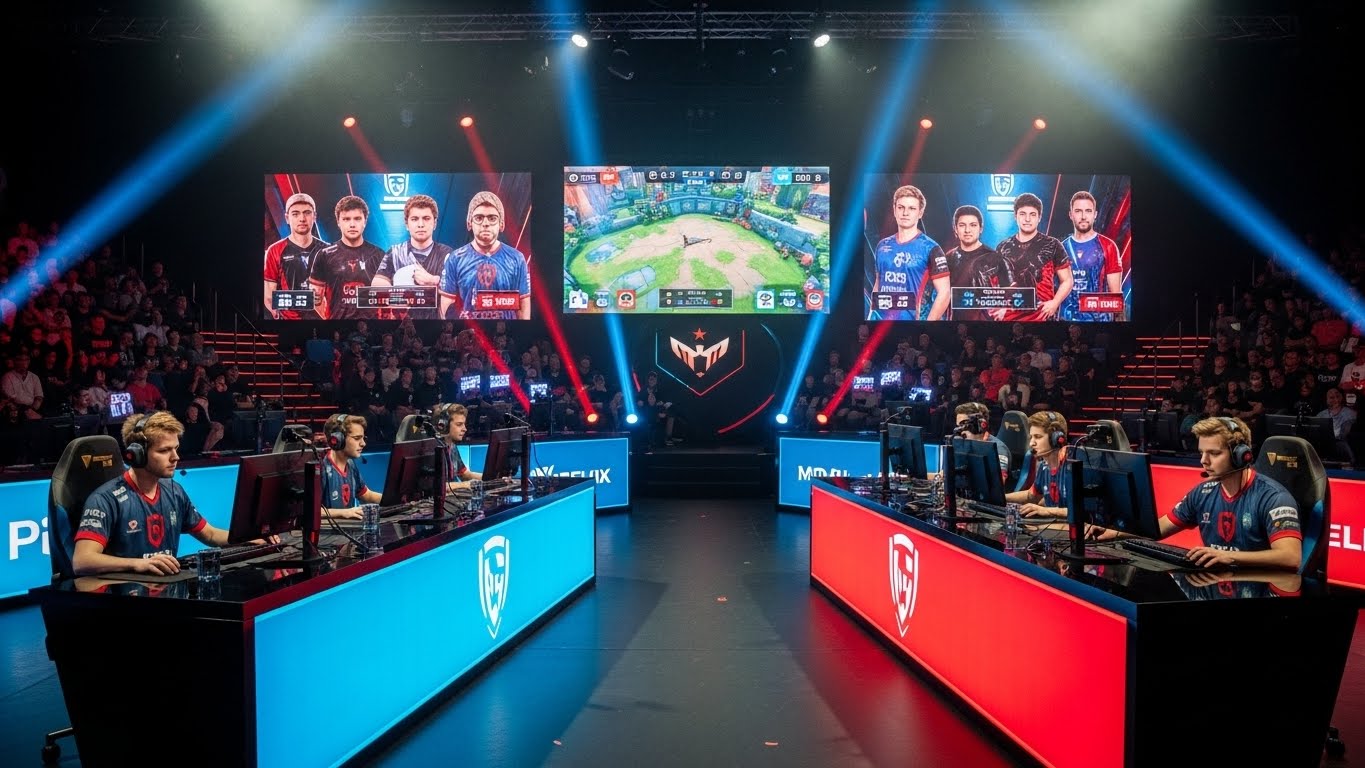
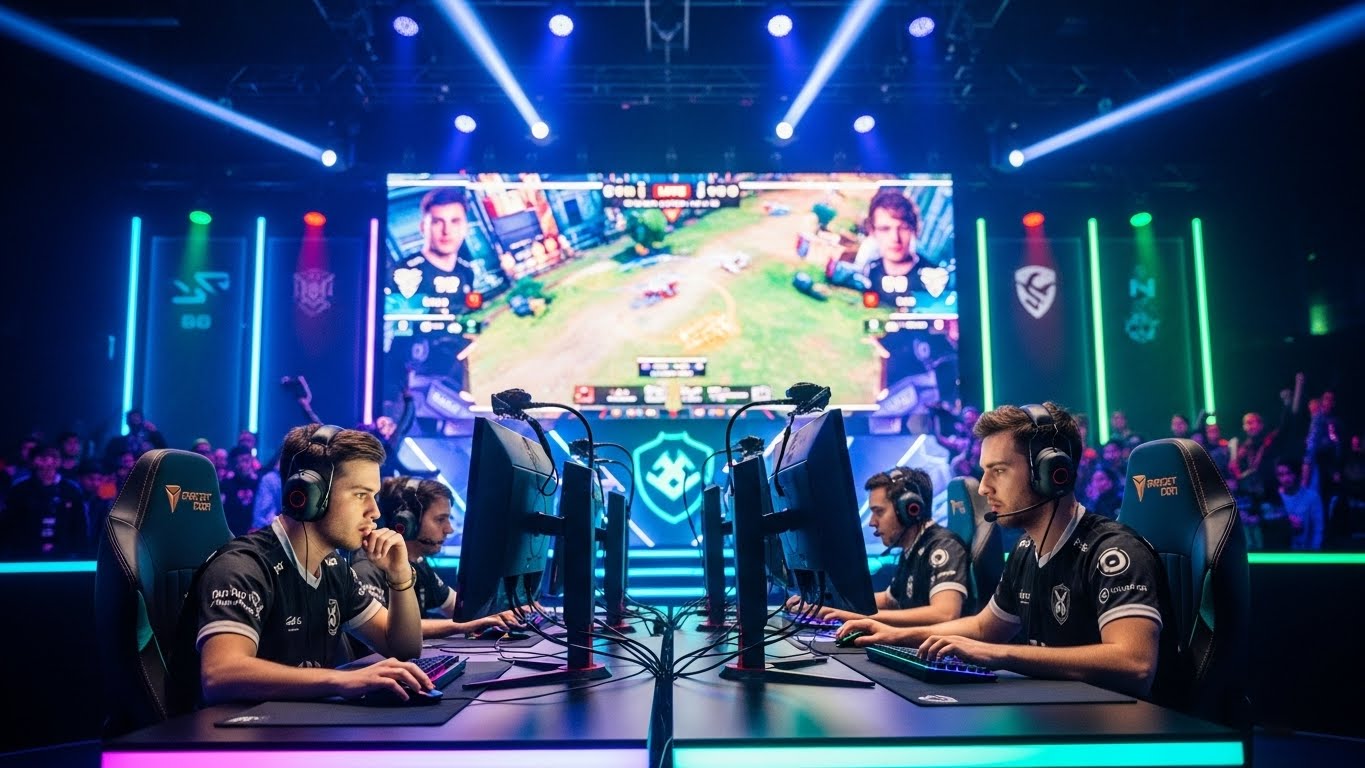
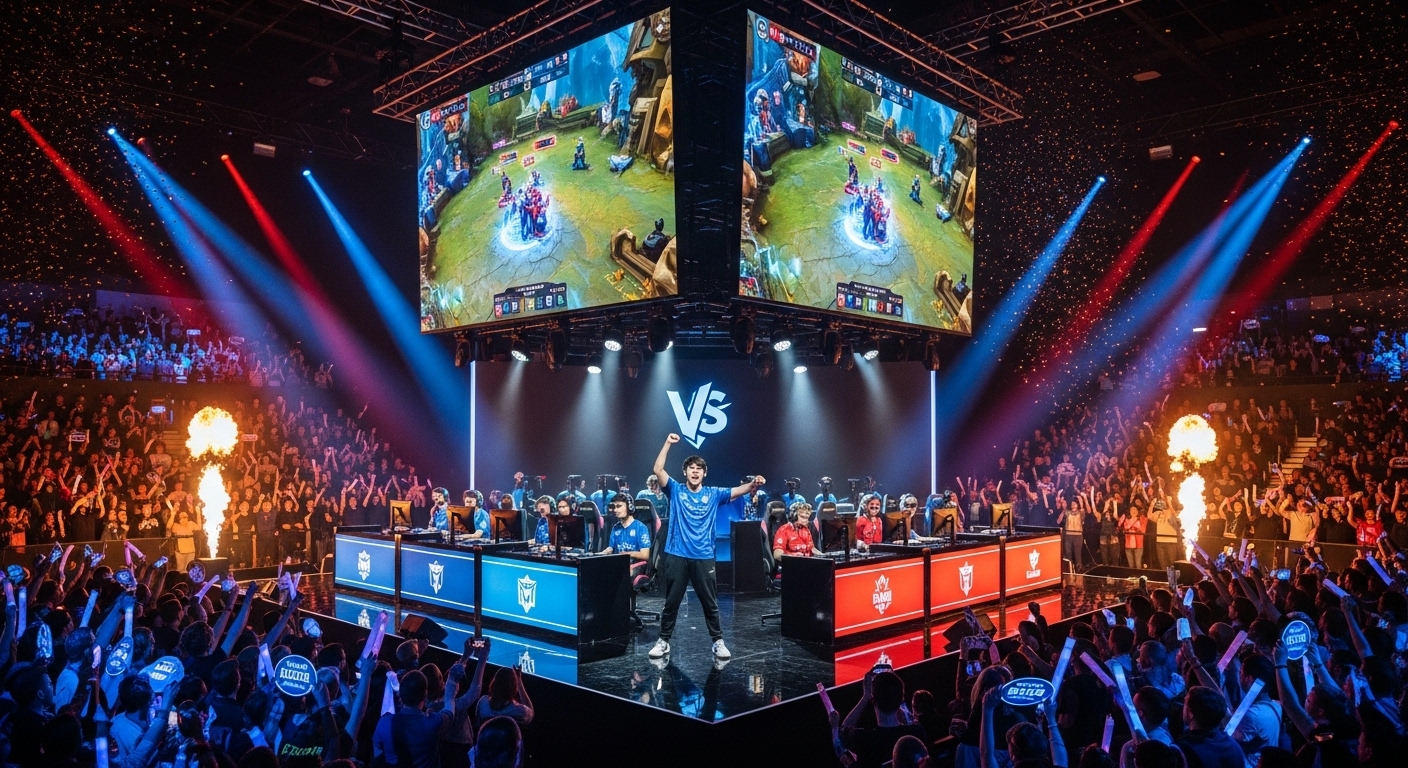
In addition to the online community, esports events began attracting large, live audiences. Major tournaments like The International (Dota 2’s world championship) and the League of Legends World Championship began filling arenas with tens of thousands of fans. The crowd energy matched that of any major sporting event, and the production quality of these events—complete with high-definition broadcasts, commentators, and sophisticated graphics—made esports more exciting to watch than ever.
The Esports Economy: Billion-Dollar Industry and Big Business
Esports has quickly evolved into a billion-dollar industry, attracting major sponsorships, investments, and media rights deals. Brands across industries—ranging from tech companies to energy drinks—are pouring money into esports, recognizing the enormous potential of the industry’s young, engaged audience. According to recent reports, the global esports industry is expected to surpass $1 billion in annual revenue, driven by broadcasting rights, sponsorships, ticket sales, merchandise, and streaming.
The economic impact of esports is felt beyond the players and the organizations. Event organizers, broadcasters, and media outlets all benefit from the surge in popularity. Companies like Intel, Coca-Cola, Red Bull, and Mercedes-Benz are now household names in the esports community, with their logos appearing on jerseys, arena banners, and even the games themselves.
As the industry grows, new revenue streams are emerging. Esports betting, for example, has become a significant market, as fans place wagers on professional matches. Additionally, virtual items and skins—cosmetic upgrades within video games—are becoming a major source of revenue for game developers. Players and teams also earn income from streaming their gameplay, selling branded merchandise, and securing sponsorships from major corporations.
The Role of Streaming Platforms in Esports Growth
One of the defining features of esports is the role streaming platforms have played in its growth. Platforms like Twitch, YouTube Gaming, and Facebook Gaming have made it easier than ever for players to broadcast their matches and for fans to watch their favorite competitors. These platforms have not only democratized access to esports but have also allowed fans to directly engage with players, creating a sense of community and intimacy that traditional sports broadcasts cannot replicate.
Twitch, in particular, has become the go-to platform for live gaming content. With millions of viewers and thousands of content creators streaming 24/7, Twitch has redefined what it means to watch sports. The platform’s interactive features—such as live chats, emotes, and donation systems—have made viewing esports an immersive experience for fans. This level of engagement has helped turn esports into not just a spectator sport, but a participatory one.
In addition to individual streamers, professional esports teams have begun using platforms like Twitch to reach their audiences. Team streams, behind-the-scenes content, and player interviews all help fans feel connected to their favorite teams and players, further expanding the ecosystem.
The Impact of Esports on Traditional Sports and Entertainment
Esports has not only grown alongside traditional sports—it has begun to influence them. Many professional sports teams have entered the esports arena, establishing their own gaming teams or partnering with existing ones. The Dallas Cowboys, Manchester City, and NBA teams like the Sacramento Kings have all launched esports teams, signaling that esports is no longer a niche interest but a legitimate form of competition on par with traditional sports.
Media companies have also taken notice. Major sports networks like ESPN and Fox Sports now air esports events, with some networks dedicating entire segments to competitive gaming. The rise of esports has also led to the creation of new television channels, such as ELEAGUE, which is dedicated solely to esports content.
Furthermore, the success of esports has led to a broader cultural shift. Gaming is no longer seen as an isolated activity for teenagers or nerds—it is a mainstream form of entertainment enjoyed by millions of people across all demographics. Esports has entered the public consciousness in a way few could have imagined just a decade ago, and its growing influence shows no signs of slowing down.
The Challenges Facing Esports
Despite its rapid growth, esports still faces several challenges. One of the most significant issues is the mental and physical health of professional players. Esports requires intense focus and hours of practice, which can lead to burnout, anxiety, and other psychological issues. As the industry matures, there is increasing attention being paid to player health, with many organizations now offering psychological counseling and physical training programs.
Another challenge facing esports is its reliance on a relatively small number of games. The popularity of esports titles like League of Legends and Dota 2 has created a competitive environment where only a few games dominate the scene. While these games enjoy immense popularity, it can be difficult for new games to break into the competitive landscape. The rapid rise and fall of certain games pose a risk to the long-term sustainability of esports, as developers and tournament organizers must constantly adapt to the changing gaming landscape.
Lastly, there are concerns about the sustainability of the esports business model. As competition increases, the margins for profit can become slim. Organizers must balance the desire to make esports accessible to fans while ensuring that tournaments and leagues are profitable for all parties involved.
The Future of Esports: A Growing Global Power
The future of esports is incredibly bright. As technology continues to evolve, the potential for new experiences—such as virtual reality (VR) and augmented reality (AR)—will only enhance the viewer and player experience. The growth of mobile gaming and the rise of 5G technology will also make esports more accessible, particularly in regions where traditional gaming infrastructure is lacking.
Esports will continue to grow in terms of global reach, with emerging markets in Asia, Latin America, and Africa providing untapped audiences. As the industry matures, we can expect even more investment, higher-quality tournaments, and a deeper integration into mainstream culture.
The potential for esports to be included in the Olympic Games, or to become part of larger global sporting events, is also on the horizon. While challenges remain, the trajectory of esports suggests it will continue to thrive as a digital sport of the future.