Introduction to Esports
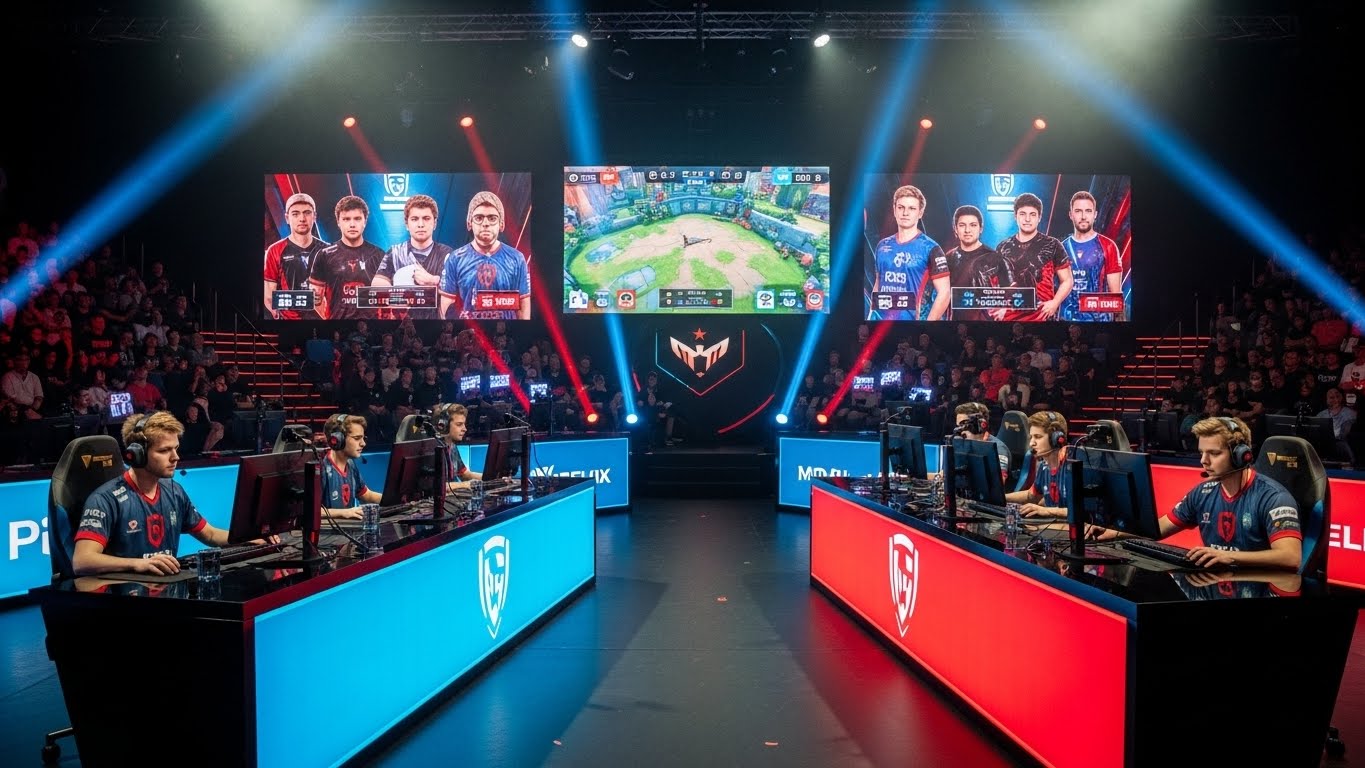
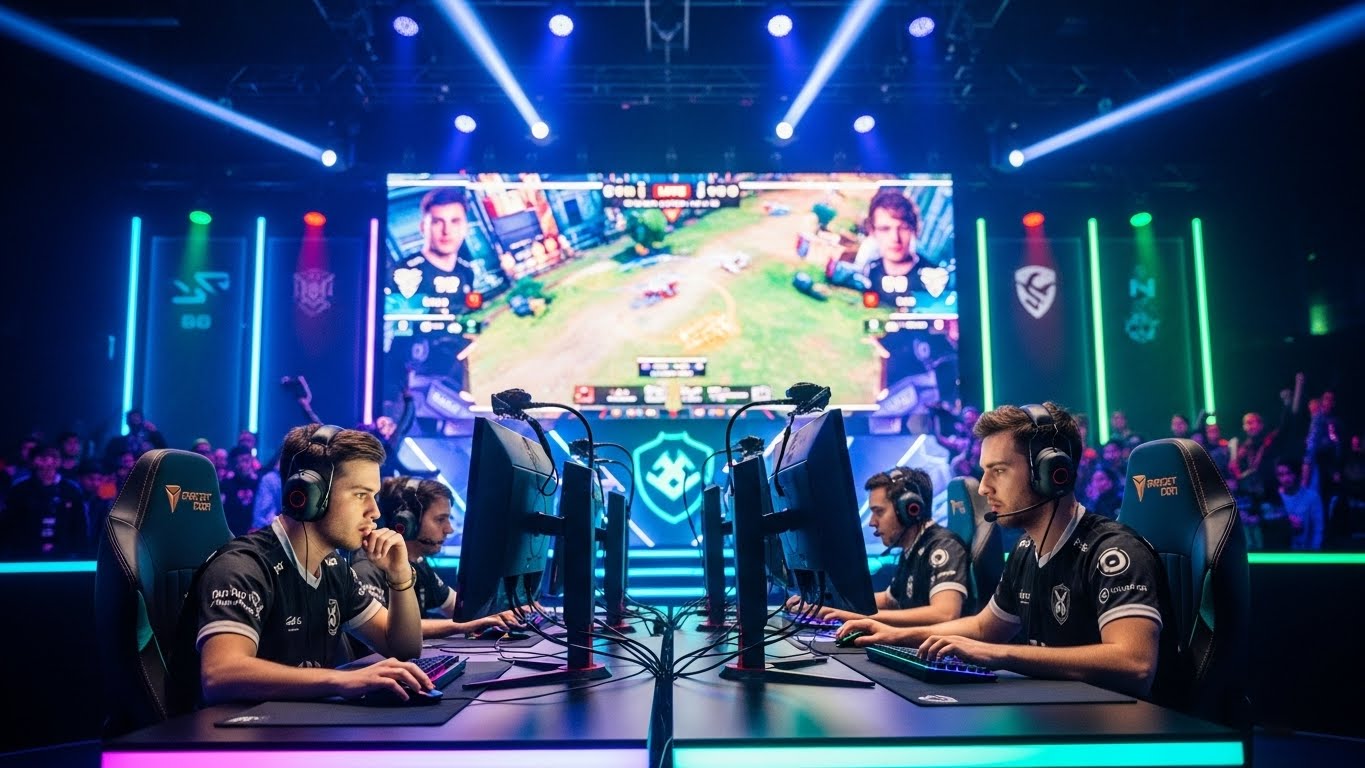
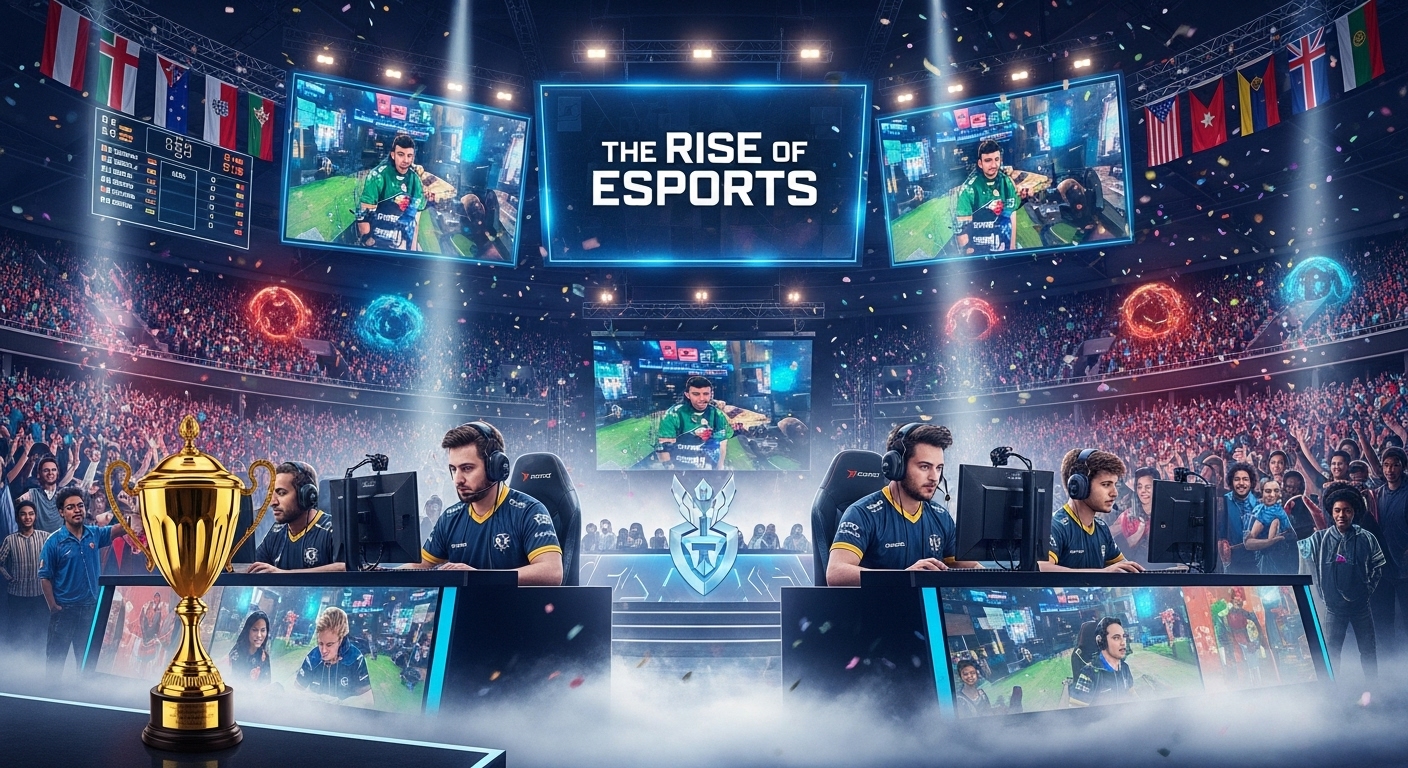
Esports, short for electronic sports, has transformed from a niche pastime into a global phenomenon that rivals traditional sports in popularity, revenue, and cultural impact. Once dismissed as simple video gaming, esports now stands as a professional, structured, and highly competitive industry involving millions of players, massive tournaments, sponsorship deals, and an audience of billions around the world. It bridges technology, entertainment, and athleticism, creating a new form of digital competition that has redefined how people view sports and performance in the twenty-first century.
The rise of esports has not been sudden; it is the product of decades of technological advancement, community building, and shifting cultural attitudes toward gaming. As the internet became faster and more accessible, gamers from across the world could compete in real time, transforming what was once a solitary or local activity into a global event.
The Early Days of Competitive Gaming
The origins of esports can be traced back to the late 1970s and early 1980s, when video game competitions began taking place in arcades and college campuses. One of the earliest recorded gaming tournaments was held at Stanford University in 1972, where students competed in a game called Spacewar! for the grand prize of a year’s subscription to Rolling Stone magazine. This humble beginning hinted at the potential of competitive gaming as a structured form of entertainment.
By the 1980s, arcade games like Pac-Man and Donkey Kong had become cultural icons. High-score competitions were featured in magazines, and local arcades hosted contests to see who could achieve the highest points. Though these early competitions lacked the large audiences and professional structures of today’s esports, they laid the foundation for a community-driven form of digital competition that would continue to grow.
The 1990s marked a turning point. With the rise of the internet and the popularity of games like Doom, Quake, and StarCraft, online multiplayer gaming became a reality. Players could now connect with opponents across the world, removing the limitations of geography. The competitive nature of these games led to organized tournaments such as the Cyberathlete Professional League and World Cyber Games, which helped to formalize esports as a recognized activity.
The 2000s: The Birth of the Esports Industry
The early 2000s saw esports begin to professionalize. South Korea emerged as the first true hub of esports culture, largely due to its advanced internet infrastructure and passionate gaming community. Games like StarCraft: Brood War became national obsessions, with players turning into celebrities and matches being broadcast on television. South Korea’s model inspired the rest of the world, demonstrating that competitive gaming could be more than a hobby—it could be a legitimate career.
At the same time, Western markets began to catch up. Competitive scenes developed around games like Counter-Strike, Warcraft III, and Halo. Major gaming companies began investing in official tournaments, offering large cash prizes that attracted professional players. The introduction of broadband internet enabled smoother online play, allowing more people to participate and watch from home.
As technology advanced, streaming platforms emerged that allowed viewers to watch live matches from anywhere. The rise of YouTube and later Twitch revolutionized how esports were consumed, allowing fans to follow their favorite players, teams, and events in real time. This accessibility was critical to esports’ rapid global expansion.
The Role of Technology in Esports Growth
Esports could not exist without technology. Every aspect of the industry—from gameplay to broadcasting—depends on advancements in hardware, software, and connectivity. The evolution of gaming computers, graphics cards, and monitors has made it possible for players to compete at higher levels with more precision and performance.
High-speed internet has also been crucial. Without low-latency online connections, real-time competition across continents would be impossible. Cloud gaming, server optimization, and streaming technologies have further enhanced accessibility, enabling players and fans to connect seamlessly across different regions.
In addition, social media platforms have played a huge role in promoting esports culture. Twitter, Discord, and TikTok have become essential tools for communication, fan engagement, and marketing. Players can interact directly with their audience, teams can promote events instantly, and highlights can go viral within seconds. The blend of interactivity and entertainment makes esports uniquely suited for the digital era.
Popular Games That Define Esports
Esports is not defined by a single game but by a wide variety of titles across genres. Each game has its own community, rules, and competitive structure, appealing to different audiences.
League of Legends, developed by Riot Games, is one of the most popular esports titles worldwide. It combines strategy, teamwork, and individual skill, and its tournaments attract millions of viewers annually. The League of Legends World Championship is one of the largest esports events in history, drawing audiences comparable to the Super Bowl.
Dota 2 by Valve is another major title known for its deep strategy and high skill ceiling. Its annual event, The International, consistently offers some of the largest prize pools in esports history, funded partly by player contributions through in-game purchases.
First-person shooters like Counter-Strike: Global Offensive and Call of Duty remain pillars of esports, emphasizing precision, teamwork, and reflexes. Meanwhile, Fortnite has introduced a more casual yet massively popular competitive scene, blending entertainment and esports through creative events and celebrity collaborations.
Fighting games such as Street Fighter, Tekken, and Super Smash Bros. maintain strong grassroots communities, with passionate players who have built their own competitive circuits. Sports titles like FIFA and NBA 2K bridge the gap between traditional and electronic sports, appealing to fans of both worlds.
Esports as a Career
What was once seen as a hobby is now a viable career path. Professional players can earn substantial incomes through tournament winnings, sponsorships, streaming revenue, and brand deals. Top-tier players often have dedicated coaching staff, nutritionists, and analysts, similar to traditional athletes. Teams operate like professional sports franchises, complete with management, marketing, and training facilities.
Beyond playing, esports has created thousands of other jobs. There are shoutcasters (commentators), event organizers, social media managers, content creators, game analysts, and software engineers—all contributing to the ecosystem. The industry’s expansion has also led to the growth of academic programs that teach esports management, marketing, and production. Universities around the world now offer scholarships for esports athletes, recognizing their achievements and potential.
The Cultural Impact of Esports
Esports has reshaped global entertainment culture. It has blurred the line between gaming and mainstream media, becoming a vital part of youth culture. Esports players are often viewed as celebrities, with fanbases that rival those of musicians or actors. Streaming has given fans direct access to their favorite players, making the relationship between audience and performer more personal and engaging than ever before.
Moreover, esports has become a form of social connection. Players form communities across borders, united by their passion for gaming. In many countries, esports has helped young people develop teamwork, communication, and problem-solving skills. It has also opened opportunities for inclusivity, allowing individuals of all genders, backgrounds, and abilities to participate equally.
The Economic Power of Esports
The financial growth of esports has been extraordinary. Revenues come from sponsorships, media rights, ticket sales, merchandise, and advertising. Major brands outside the gaming world—such as car manufacturers, beverage companies, and fashion labels—are investing in esports because of its young and tech-savvy audience.
Tournaments now fill entire stadiums, and online broadcasts attract millions of concurrent viewers. The industry’s estimated worth has surpassed billions of dollars globally, and analysts predict continued growth as new technologies like virtual reality and mobile gaming expand the competitive landscape.
Esports organizations have also begun merging with traditional sports franchises. Many well-known football and basketball clubs have created their own esports teams to reach younger audiences. This crossover has further legitimized esports in the eyes of the mainstream public.
Challenges Faced by the Esports Industry
Despite its success, esports faces several challenges. One major issue is maintaining competitive integrity. Cheating, match-fixing, and performance-enhancing software pose ongoing threats. Developers and organizations are constantly working to improve anti-cheat systems and maintain fair play.
Player burnout is another concern. Professional gamers often practice for long hours daily, leading to physical strain, stress, and mental health issues. Unlike traditional sports, esports careers are often short-lived due to the intense nature of competition and rapid evolution of games.
Regulation and governance also remain fragmented. Different countries have varying laws regarding esports contracts, gambling, and intellectual property. The absence of a global regulatory body means that standards can vary widely across organizations and tournaments.
Additionally, while esports has made progress in diversity and inclusion, the community still struggles with issues like toxicity, gender discrimination, and online harassment. Efforts are ongoing to create safer, more inclusive spaces for players and fans alike.
The Role of Education and Institutions
In recent years, educational institutions have recognized the value of esports. Schools and universities have established esports clubs, degrees, and even scholarships for competitive gaming. This academic involvement not only nurtures future players but also prepares students for careers in management, broadcasting, and technology.
By integrating esports into education, institutions help students develop critical soft skills like teamwork, strategic thinking, and communication. Furthermore, it encourages a more balanced perspective on gaming, viewing it as a legitimate pursuit rather than a distraction.
The Future of Esports
The future of esports is bright and full of potential. As technology continues to evolve, the line between physical and digital sports will blur even further. Virtual reality and augmented reality may introduce entirely new types of competitive experiences, while artificial intelligence could help analyze player performance and strategies more effectively.
Mobile esports is another rapidly growing sector. Games designed for smartphones are making competitive gaming more accessible to people in regions without high-end computers. This has particularly fueled the growth of esports in countries like India, Brazil, and Indonesia.
Mainstream media integration is also on the rise. Esports events are now being broadcast on television networks and covered by major news outlets. Partnerships between gaming companies and entertainment studios are producing documentaries, films, and shows centered around esports, further embedding it into global culture.
As audiences continue to diversify, so too will the genres of competitive gaming. The future may bring more hybrid experiences that combine creativity, storytelling, and interactivity in new ways. With younger generations growing up in digital environments, esports will likely become as culturally significant as traditional sports have been for previous generations.
Conclusion
Esports is more than just a trend—it is a defining feature of the modern era. It represents the merging of technology, creativity, and competition, capturing the spirit of a digital generation. From small arcade tournaments to billion-dollar global events, esports has demonstrated the power of human skill and innovation in virtual worlds.
As the industry continues to mature, it will influence not only entertainment but also education, business, and culture. The story of esports is a story of progress—of how passion, technology, and community can combine to create something truly revolutionary. Whether one is a player, fan, or casual observer, the rise of esports offers a glimpse into the future of human connection and competition in the digital age.