Introduction
Two decades ago, few could have predicted that playing video games would one day fill stadiums, attract millions of viewers, and become a billion-dollar industry. Esports—short for electronic sports—has evolved from a niche hobby into a global entertainment phenomenon. What started as small competitions among friends has turned into a massive industry that blends technology, sportsmanship, and showmanship.
The rise of Esports isn’t just about gaming; it’s about culture, community, and opportunity. It reflects how digital technology has reshaped entertainment, competition, and even careers. In this blog, we’ll dive deep into how Esports came to be, its impact on society, its business potential, and what the future might hold for this rapidly growing industry.
The Origins of Competitive Gaming
Before Esports became a billion-dollar business, competitive gaming was simple and personal. The earliest form of Esports dates back to the 1970s, when players at Stanford University competed in a game called “Spacewar.” The prize? A subscription to Rolling Stone magazine. It might sound humble, but that event marked the beginning of organized gaming competitions.
By the 1980s, arcade machines took gaming mainstream. Titles like “Pac-Man” and “Donkey Kong” sparked rivalries among players striving to beat each other’s high scores. These competitions were local and casual, but they planted the seeds of a competitive culture. When consoles like the Nintendo Entertainment System hit living rooms, gaming became part of everyday life.
The 1990s brought something new: networked multiplayer games. Titles like “Doom” and “Quake” allowed players to compete against each other online, opening the door for global gaming contests. The first major Esports tournament, “Red Annihilation” in 1997, crowned Dennis “Thresh” Fong as the champion of Quake—and he famously won a Ferrari as the prize.
That moment symbolized a shift: gaming was no longer just for fun. It was becoming a serious form of competition.
The Birth of Modern Esports
As the internet matured, online multiplayer games exploded in popularity. The early 2000s saw the rise of games like “Counter-Strike,” “Warcraft III,” and “StarCraft.” South Korea became the first country to treat Esports as a legitimate profession. The government supported gaming networks, professional teams formed, and televised matches drew millions of viewers.
“StarCraft” in particular became a cultural phenomenon in South Korea, turning professional gamers into celebrities. Fans packed arenas to watch their favorite players, and the idea of Esports as entertainment began to spread worldwide.
The rise of streaming platforms like Twitch and YouTube Gaming in the 2010s completely changed the landscape. Suddenly, anyone could watch professional gamers play in real time from anywhere in the world. Esports transitioned from being a subculture into mainstream entertainment, competing with traditional sports for viewers.
Key Games That Defined Esports
Every sport has its icons—football has its teams and stars, and Esports has its legendary titles. Several games shaped the industry and helped define its structure.
League of Legends (LoL) became one of the biggest catalysts for Esports growth. Launched in 2009 by Riot Games, it created a global competitive ecosystem. The annual League of Legends World Championship draws millions of viewers and offers multi-million-dollar prize pools.
Dota 2, developed by Valve, took things to another level with its tournament, The International. This event became famous for its record-breaking prize pools, funded largely by fans through in-game purchases.
Counter-Strike: Global Offensive (CS:GO) has maintained its reputation as one of the purest competitive shooters, with a deep emphasis on teamwork and precision.
Fortnite, with its vibrant style and massive crossover appeal, introduced a younger audience to Esports. The Fortnite World Cup turned teenage players into millionaires almost overnight.
Call of Duty, Overwatch, Valorant, and Rocket League have all carved their own niches in competitive gaming. Each game builds its own ecosystem, teams, and fanbase—just like different sports leagues.
The Business of Esports
Behind the excitement of competition lies a serious business machine. The Esports industry is built on sponsorships, advertising, merchandise, ticket sales, and media rights. Major corporations see Esports as a way to reach younger audiences who spend more time online than watching traditional TV.
Brands like Intel, Red Bull, and Coca-Cola have invested heavily in Esports events. Game publishers also play a central role, organizing leagues and tournaments while maintaining control of their games’ competitive scenes.
Professional teams function like sports franchises. They have coaches, analysts, marketing staff, and management. Organizations such as FaZe Clan, Team Liquid, and Cloud9 have turned into multi-million-dollar brands with global fanbases.
Streaming platforms further fuel the business. Star players earn revenue through sponsorships, donations, and ad deals. For many gamers, streaming provides both income and exposure, bridging the gap between casual entertainment and professional competition.
The Role of Technology
Technology is the backbone of Esports. Without high-speed internet, powerful gaming PCs, and streaming platforms, the industry wouldn’t exist.
Advances in hardware have made gaming more accessible and immersive. Graphics cards now render lifelike visuals, and fast refresh-rate monitors allow for smooth gameplay. Cloud gaming services, such as NVIDIA GeForce Now and Xbox Cloud Gaming, are breaking barriers by allowing players to compete without owning high-end machines.
Software innovation has also transformed Esports. Game developers now design with spectators in mind, offering camera controls, replays, and data visualization to make matches more engaging. Virtual reality and augmented reality are beginning to blur the lines between the digital and physical worlds, promising a new era of interactive competition.
The Cultural Impact of Esports
Esports is more than a competition; it’s a culture. It has shaped music, fashion, and online communities. Gamers have built their own vocabulary, humor, and identity. The idea that “geek culture” is niche is outdated—gaming is now mainstream.
Esports has also created opportunities for people worldwide. In countries like South Korea, China, and the United States, professional gaming is a viable career path. Scholarships for Esports athletes now exist at universities, and educational programs teach students about gaming management and production.
Moreover, Esports has connected people across languages and borders. Fans cheer for teams from other continents, and players collaborate across cultures. It’s a rare space where competition meets global unity.
Challenges Facing Esports
Despite its success, Esports faces several challenges.
One major issue is player burnout. Many professional players start young, often under intense pressure to perform. The long hours of practice, constant travel, and mental strain can lead to early retirements.
Another challenge is stability. Esports titles rely on game publishers, and if a game loses popularity or its developer shifts focus, entire leagues can vanish overnight. This makes the industry volatile compared to traditional sports.
Cheating and match-fixing also threaten the integrity of competitions. As prize money grows, so does the temptation for manipulation. Maintaining fairness and transparency is essential for credibility.
Finally, representation and inclusivity remain ongoing discussions. The Esports scene has been criticized for its lack of diversity and issues with harassment. Fortunately, initiatives promoting women and marginalized groups in gaming are gaining traction, paving the way for a more inclusive future.
Esports and Traditional Sports: Rivals or Partners?
A common debate is whether Esports can be considered a “real sport.” While it doesn’t require physical exertion in the traditional sense, it demands strategy, reflexes, and mental endurance. The International Olympic Committee has even acknowledged Esports as a competitive discipline, exploring ways to integrate it into future Olympic events.
Interestingly, traditional sports organizations are investing in Esports rather than resisting it. Football clubs like Paris Saint-Germain and Manchester City have launched their own Esports teams. The NBA created the NBA 2K League, merging digital and physical competition.
Both worlds are learning from each other. Esports adopts traditional sports structures like leagues, coaches, and player contracts, while traditional sports look to Esports for lessons in digital fan engagement.
The Rise of Esports Education
As Esports became more structured, educational institutions took notice. Universities now offer degrees and courses in Esports management, production, and marketing. Students learn about event planning, sponsorship negotiation, and team management.
High schools also host Esports clubs, helping students develop teamwork, communication, and strategic thinking. What once seemed like “just playing games” is now recognized as a gateway to learning valuable life skills.
Esports education doesn’t just focus on players—it includes shoutcasters, analysts, event organizers, and content creators. The ecosystem is vast, and each role contributes to the industry’s growth.
The Spectator Experience
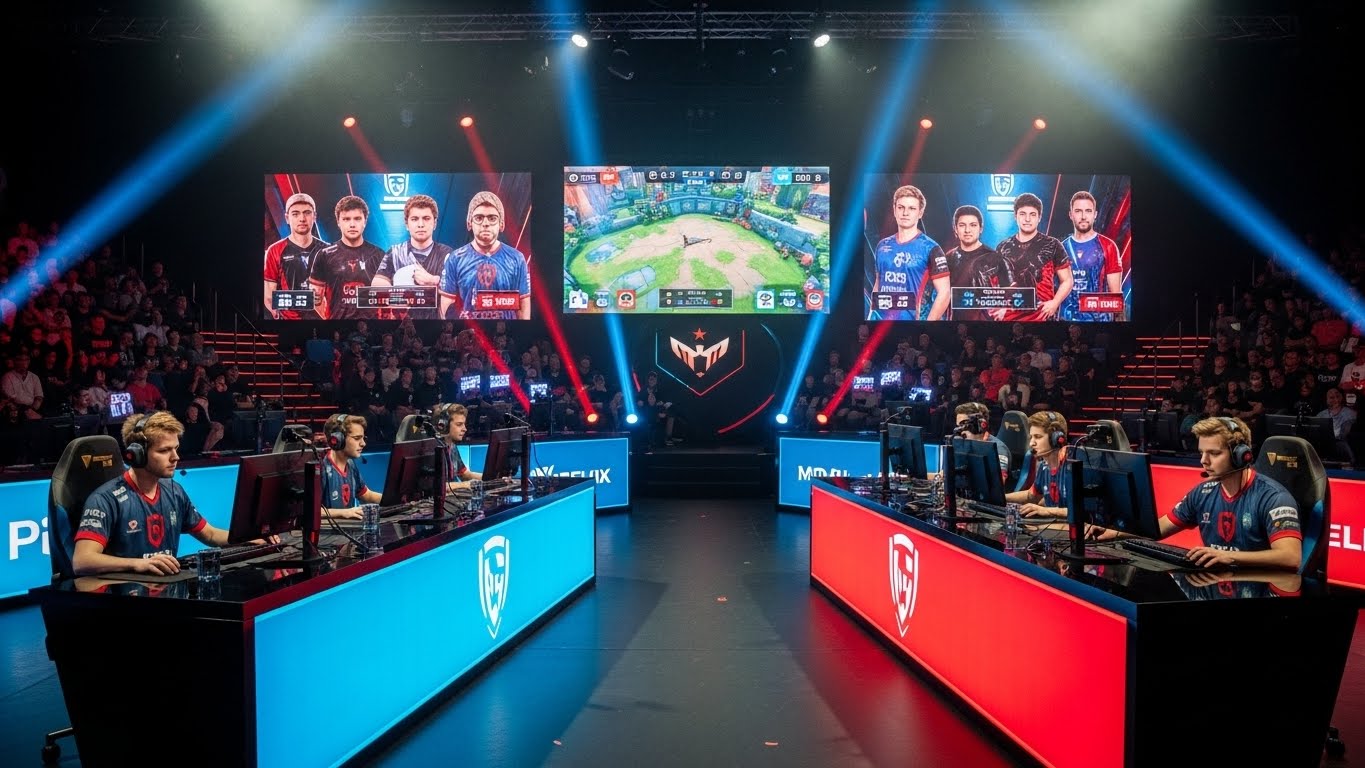
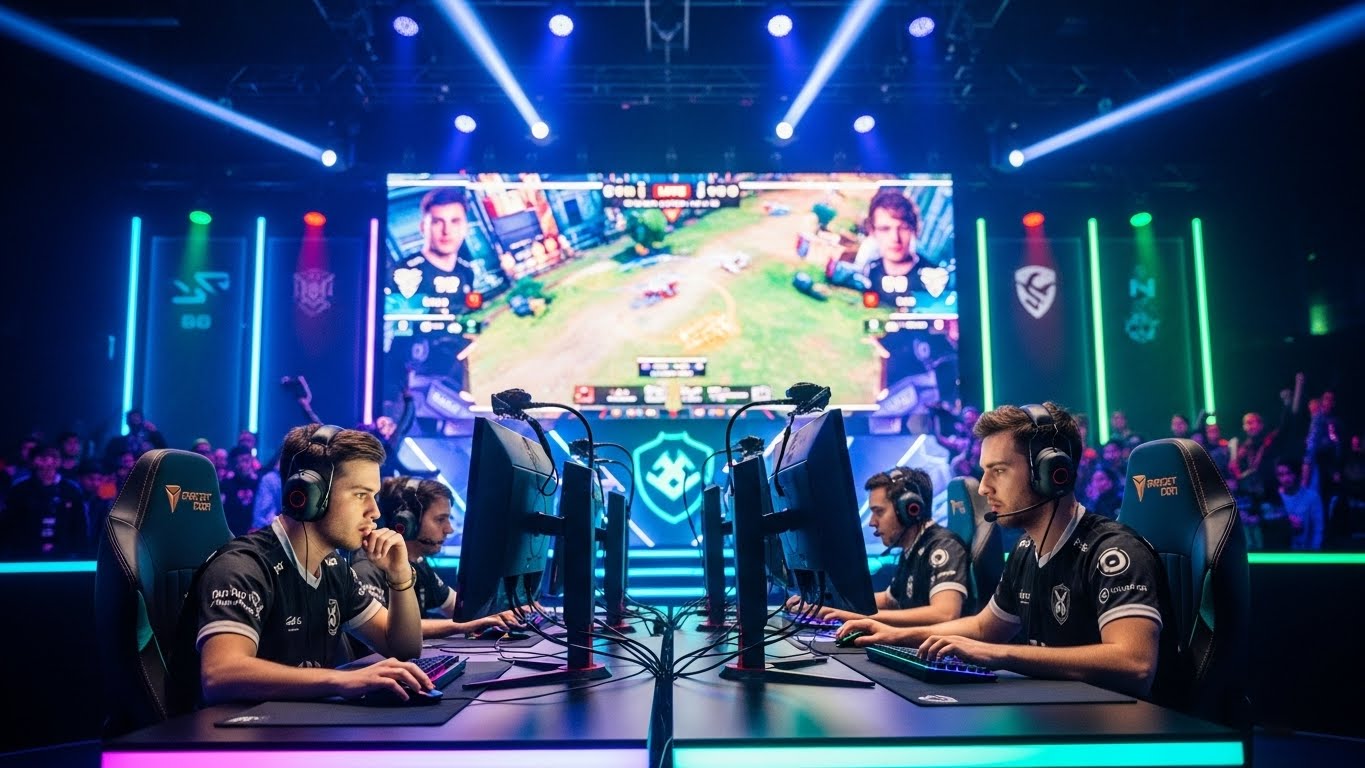
Watching Esports is an experience unlike any other. Whether it’s a packed arena or an online stream, the energy is electric. Fans cheer for every play, and commentators—often called shoutcasters—bring the excitement to life with dynamic commentary.
Events like the League of Legends World Championship or The International feel like concerts, complete with elaborate stage designs, music performances, and special effects. Esports production has become a blend of technology and entertainment art.
Online, communities thrive in chat rooms, where fans share reactions and memes in real time. The shared digital experience creates a sense of belonging similar to what sports bars or stadiums offer for traditional fans.
The Economic Footprint
The Esports economy extends far beyond tournaments. It drives hardware sales, gaming peripherals, and software subscriptions. Cities that host major events benefit from tourism, similar to hosting traditional sports finals.
Job creation is another major impact. From developers and event organizers to commentators and marketing specialists, Esports supports a wide range of careers.
Analysts predict that as virtual reality and mobile Esports continue to grow, new revenue streams will emerge. Mobile games like “PUBG Mobile” and “Mobile Legends” have proven that Esports isn’t confined to high-end PCs or consoles.
The Future of Esports
Looking ahead, Esports shows no sign of slowing down. As technology advances, so will the depth and diversity of competitive gaming. Virtual reality competitions could redefine immersion, while AI could assist players in strategy analysis.
Esports may also merge with other entertainment forms, such as movies, music, and fashion, blurring the boundaries between gaming and pop culture even further.
However, for Esports to sustain its momentum, it must address challenges like player welfare, regulation, and inclusivity. The industry’s long-term health depends on balancing excitement with responsibility.
The Human Element
Amid the lights, screens, and sponsorships, the heart of Esports remains the same as it was in the 1970s—a love for competition and community. Behind every pro gamer is a story of dedication, countless hours of practice, and a deep passion for the game.
Fans connect to that human element. They see players not as distant celebrities but as relatable individuals who share their same love for gaming. This accessibility sets Esports apart from other entertainment forms—it’s participatory, not just observational.
Conclusion
Esports has traveled an extraordinary path—from underground LAN parties to global championships streamed to millions. It’s not just a trend or a fad; it’s a defining feature of modern entertainment.
It combines the strategy of chess, the teamwork of football, and the storytelling of cinema. It unites people across borders and gives new meaning to what competition can look like in a digital age.
In the end, Esports isn’t just about games. It’s about ambition, innovation, and the human spirit of play. Whether you’re a casual fan, a dedicated player, or just curious about this new world, one thing is certain: Esports is here to stay, and its story is only just beginning.