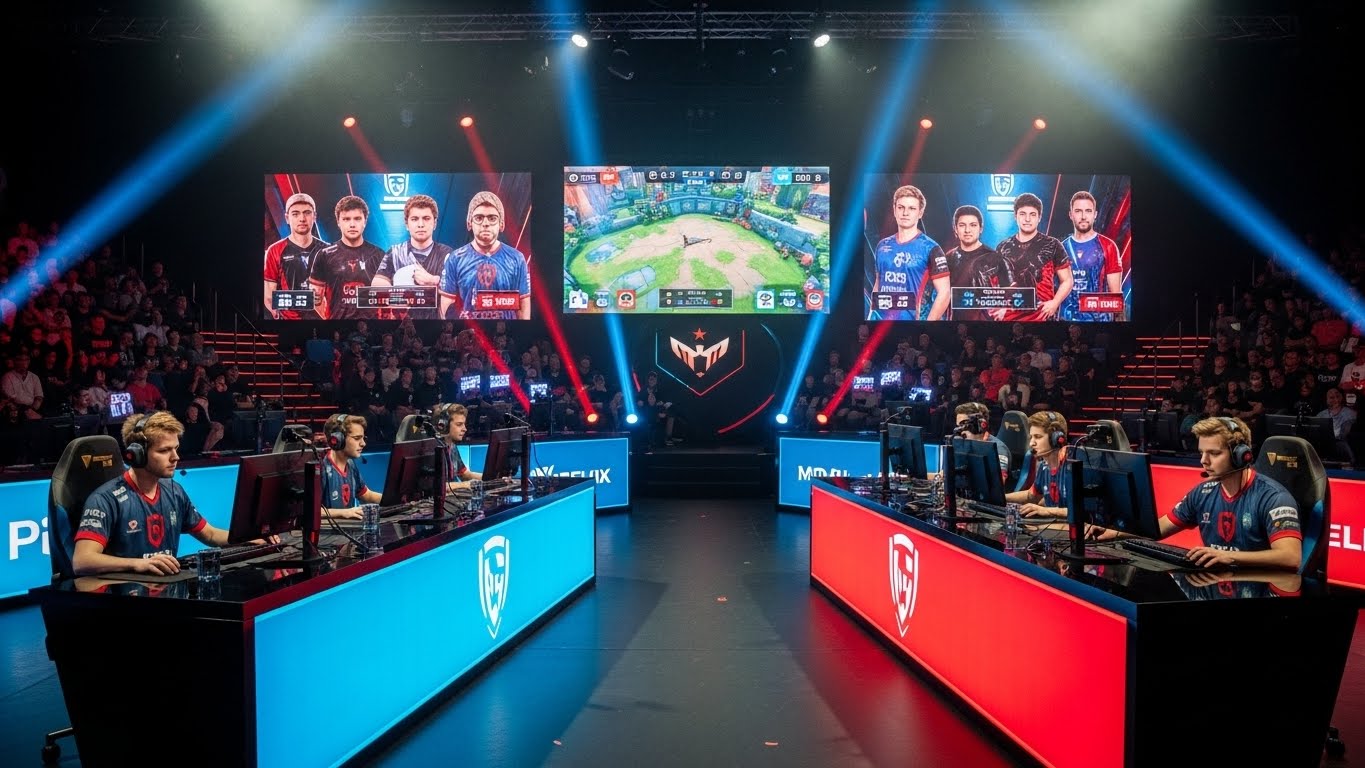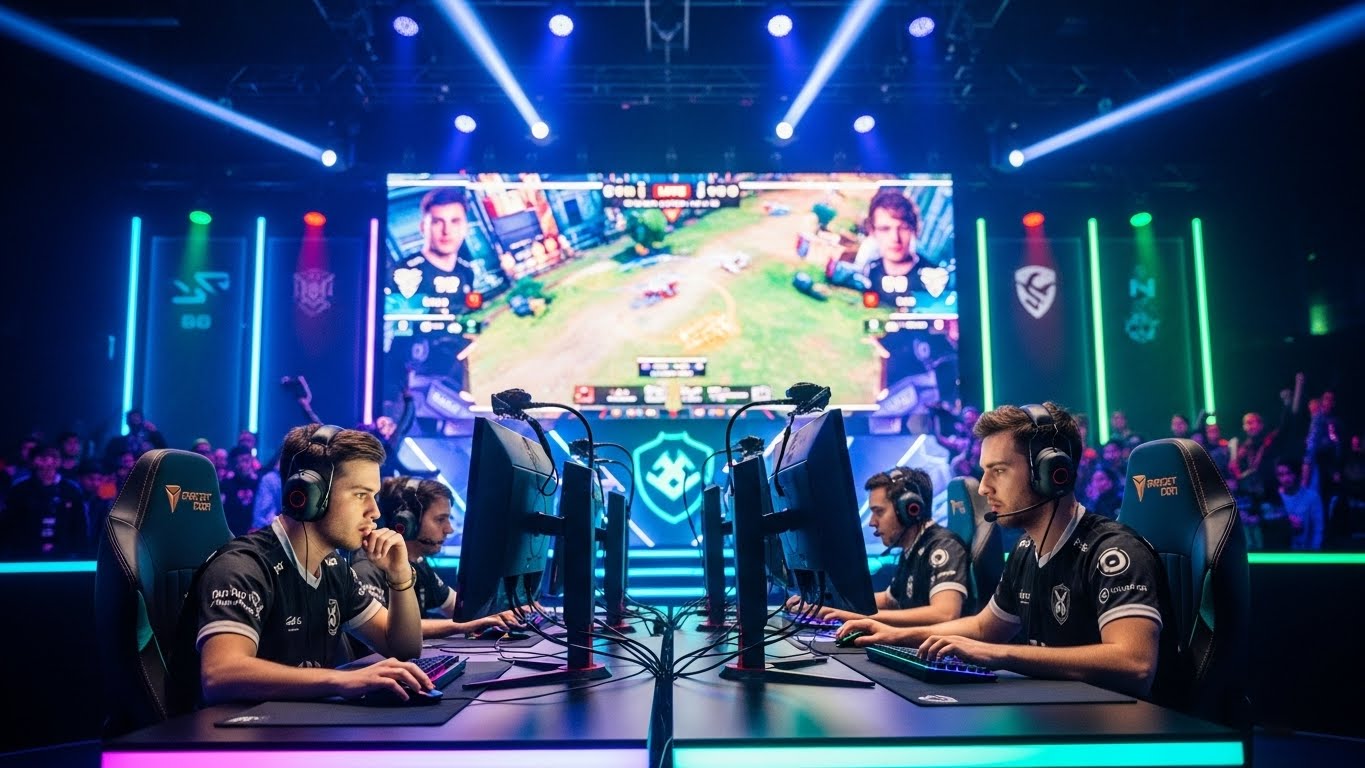
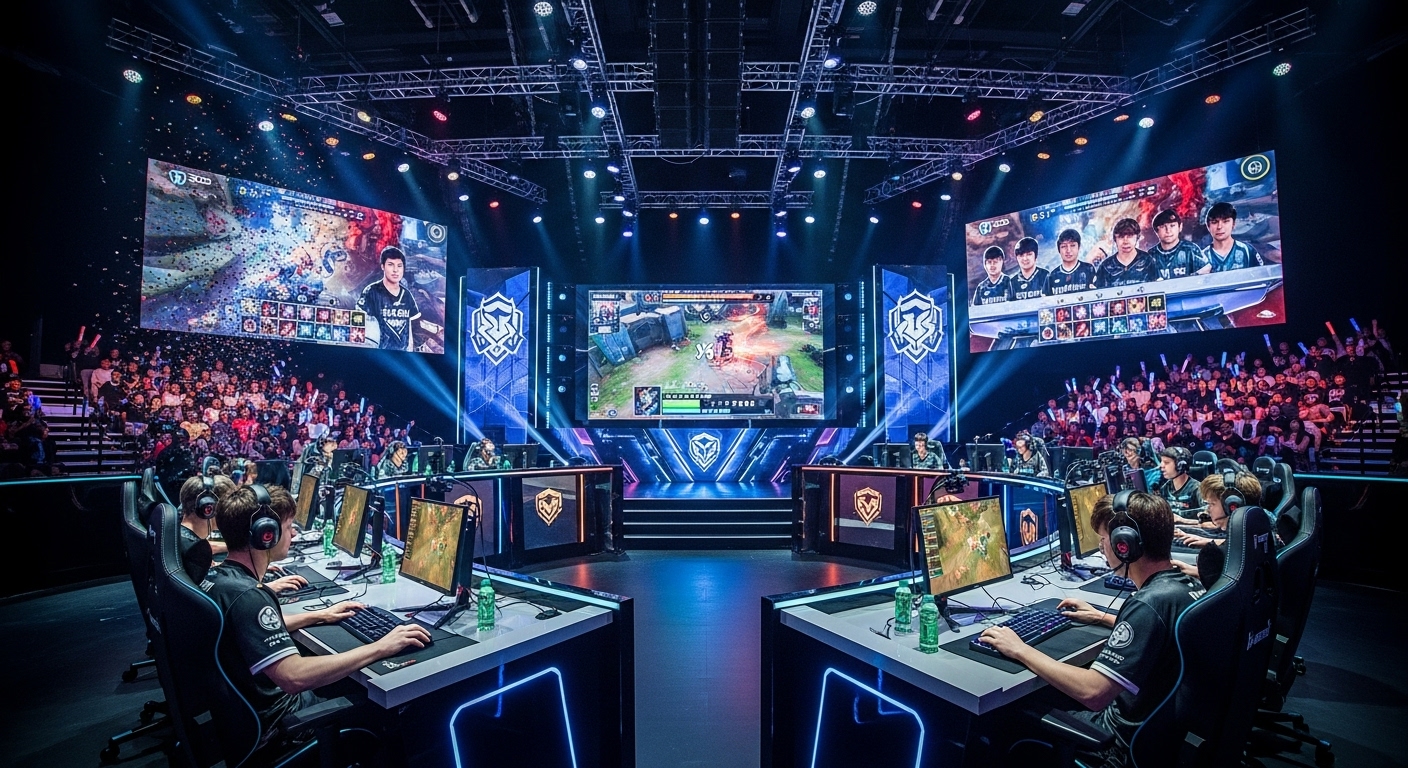
Esports has transformed from a niche hobby into a global phenomenon. Professional players now train as rigorously as traditional athletes—just in different ways. While their sport may not involve running on a field or lifting heavy weights, esports players rely on sharp reflexes, precise coordination, long attention spans, and emotional endurance. These skills demand a strong mind and body connection, which is why fitness has become a critical part of an esports athlete’s training routine.
Contrary to old stereotypes, today’s top esports pros don’t spend all day sitting behind a screen. They follow structured fitness programs designed to enhance their mental sharpness, improve posture, prevent injury, and boost overall health. In this article, we’ll explore the best fitness routines for esports players, focusing on exercises that enhance both physical and cognitive performance.
The Importance of Fitness in Esports
While esports competition happens in a virtual world, the physical body still plays a huge role in performance. Gaming for extended hours can lead to physical strain, poor circulation, back pain, and eye fatigue. Additionally, mental fatigue can result from long tournaments, reducing reaction time and decision-making ability.
Regular exercise helps esports players by:
- Improving reaction time and coordination: Better blood flow enhances neural communication.
- Boosting concentration and focus: Physical activity increases oxygen flow to the brain.
- Reducing fatigue and burnout: Exercise releases endorphins that combat mental stress.
- Preventing repetitive strain injuries: Strength and mobility training protect wrists, shoulders, and back muscles.
- Enhancing mood and motivation: A healthy body supports a stable mindset and reduces anxiety.
For esports athletes, fitness is no longer optional—it’s essential.
Core Components of an Esports Fitness Routine
An effective fitness plan for gamers should balance strength, flexibility, endurance, and recovery. Unlike traditional athletes, esports players benefit most from workouts that enhance posture, reduce strain from sitting, and improve fine motor control.
The main pillars of a complete esports fitness routine include:
- Stretching and Mobility Work
- Cardiovascular Exercise
- Strength and Stability Training
- Eye and Hand Exercises
- Posture and Ergonomic Training
- Mental Fitness and Relaxation Techniques
Let’s explore each in detail.
1. Stretching and Mobility Work
Sitting for hours leads to muscle stiffness, joint pain, and decreased flexibility. Stretching is vital for keeping the body mobile and reducing tension in key areas like the neck, back, and wrists.
Essential stretches for gamers:
- Neck Rolls: Gently roll your head in a circular motion to release tension.
- Shoulder Shrugs and Circles: Loosen up tight shoulder muscles from prolonged sitting.
- Upper Back Stretch: Interlock your fingers, push your hands forward, and round your upper back.
- Wrist Flexor Stretch: Extend one arm forward, palm up, and gently pull back on your fingers with the opposite hand.
- Seated Hip Stretch: Cross one leg over the other while sitting and gently press the knee downward to stretch the hips.
Perform these stretches every hour or between gaming sessions to maintain flexibility and prevent repetitive strain injuries.
2. Cardiovascular Exercise
Cardio might not seem relevant to esports, but it’s one of the most important parts of maintaining performance. Good cardiovascular health improves blood circulation to the brain, which enhances focus, reaction speed, and decision-making.
Effective cardio options for gamers include:
- Brisk Walking or Jogging: 30–45 minutes, 4–5 times a week.
- Cycling: Low-impact and great for improving endurance.
- Jump Rope: Excellent for hand-eye coordination and heart health.
- Swimming: A full-body workout that reduces stress on joints.
- High-Intensity Interval Training (HIIT): Short, intense bursts of exercise ideal for quick sessions between gaming practice.
Even 20 minutes of daily cardio can significantly improve alertness and reduce fatigue during long tournaments.
3. Strength and Stability Training
Strength training doesn’t mean building massive muscles—it’s about creating a stable and resilient body that can handle long hours of sitting and precise hand movements. For gamers, strong core and back muscles are essential to prevent posture-related pain and fatigue.
Key exercises:
- Planks: Strengthen the core and improve posture.
- Dead Bugs: Engage deep abdominal muscles and promote spinal stability.
- Bodyweight Squats: Strengthen legs and improve circulation.
- Push-Ups: Build upper-body strength and shoulder stability.
- Resistance Band Rows: Counteract the effects of slouching and improve back health.
- Forearm Curls: Strengthen wrists and prevent repetitive strain injuries.
A short 30-minute strength workout three times a week can drastically improve endurance and posture.
4. Eye and Hand Exercises
Gaming heavily relies on visual precision and hand dexterity. Esports players often experience digital eye strain and wrist discomfort due to repetitive motion. Dedicated exercises can prevent these issues and enhance precision.
Eye Exercises:
- 20-20-20 Rule: Every 20 minutes, look at something 20 feet away for 20 seconds.
- Eye Tracking Drills: Move your eyes left to right, up and down, and diagonally without moving your head.
- Palming: Rub your hands together to generate warmth and gently place them over your closed eyes for relaxation.
Hand and Wrist Exercises:
- Finger Extensions: Stretch fingers wide apart, hold for a few seconds, then relax.
- Grip Strengthening: Use a stress ball or grip trainer.
- Wrist Rotations: Rotate wrists clockwise and counterclockwise to improve mobility.
- Thumb Stretch: Gently pull your thumb backward to ease tension.
Performing these small exercises regularly can help prevent conditions like carpal tunnel syndrome and enhance hand precision.
5. Posture and Ergonomic Training
Good posture is fundamental for any esports player. Sitting for hours with poor posture leads to chronic pain, muscle imbalances, and fatigue. Ergonomic awareness helps prevent these problems and improves endurance during long matches.
Tips for proper gaming posture:
- Keep your monitor at eye level to prevent neck strain.
- Sit with your back straight and shoulders relaxed.
- Use an ergonomic chair that supports the lower back.
- Keep feet flat on the floor or on a footrest.
- Position your keyboard and mouse so your elbows are at a 90-degree angle.
Core exercises to support posture:
- Superman Pose: Strengthens the lower back.
- Bird-Dog: Improves balance and spinal alignment.
- Wall Angels: Opens up the chest and corrects rounded shoulders.
A combination of ergonomic adjustments and core strengthening ensures comfort and focus during intense gaming sessions.
6. Mental Fitness and Relaxation Techniques
Physical fitness supports mental clarity, but mental training is equally important for esports athletes. Stress, anxiety, and fatigue can impact performance as much as physical strain. Developing mindfulness and relaxation techniques can enhance focus and composure under pressure.
Recommended mental fitness practices:
- Deep Breathing: Inhale deeply through the nose, hold for a few seconds, and exhale slowly.
- Meditation: Spend 10 minutes daily focusing on breathing or guided relaxation.
- Progressive Muscle Relaxation: Tense and relax each muscle group to relieve stress.
- Visualization: Picture successful gameplay or strategy to improve confidence.
These practices improve emotional control, reduce pre-match nerves, and help players recover mentally after competitions.
Weekly Fitness Plan for Esports Players
Here’s a sample weekly routine tailored for esports athletes:
Monday:
- 30 minutes of cardio (jogging or cycling)
- 20 minutes of core training (planks, bird-dogs, and supermans)
- Stretching and wrist mobility exercises
Tuesday:
- Strength training (push-ups, squats, resistance band rows)
- 10 minutes of eye and hand exercises
- Meditation or deep breathing
Wednesday:
- Light cardio (brisk walk or swimming)
- Shoulder and upper back stretches
- Ergonomic posture review
Thursday:
- Strength training (core and forearms)
- Wrist and hand strengthening
- Visualization or relaxation practice
Friday:
- HIIT session (20–25 minutes)
- Flexibility training (yoga or full-body stretches)
Saturday:
- Active recovery (light walk or stretching)
- Focused mobility work on hips, neck, and wrists
Sunday:
- Rest day with mindfulness or light breathing exercises
This balanced approach ensures gamers stay physically and mentally ready for long hours of practice and competition.
Nutrition and Sleep: The Other Half of Fitness
Exercise alone isn’t enough. Without proper nutrition and sleep, the benefits of training can fade quickly. Gamers need consistent energy and mental clarity, which come from balanced meals and adequate rest.
Fitness-supporting nutrition tips:
- Eat balanced meals with lean protein, complex carbs, and healthy fats.
- Stay hydrated throughout the day.
- Avoid sugary snacks and excessive caffeine.
- Include antioxidant-rich foods like berries, nuts, and leafy greens to protect against oxidative stress.
Sleep tips for esports players:
- Aim for 7–9 hours of sleep per night.
- Maintain a consistent sleep schedule.
- Avoid screens 30 minutes before bedtime to reduce blue light exposure.
- Practice relaxation routines to ensure deep, restorative sleep.
Sleep and nutrition directly affect reaction time, memory, and endurance—core elements of esports performance.
Injury Prevention and Recovery
Repetitive strain injuries (RSIs) are common in esports due to long hours of repetitive hand and wrist movements. Preventing these injuries through exercise, proper ergonomics, and regular breaks is critical.
Prevention strategies:
- Take short breaks every hour to stretch and move.
- Perform wrist and hand exercises daily.
- Use ergonomic peripherals (keyboard, mouse, and chair).
- Apply ice or massage sore areas when discomfort arises.
If pain persists, consulting a physiotherapist familiar with esports injuries is highly recommended.
The Future of Fitness in Esports
The esports industry has recognized fitness as a key element of professional training. Many organizations now employ fitness coaches, nutritionists, and sports psychologists for their teams. This holistic approach ensures players stay healthy, perform at peak levels, and enjoy longer careers.
Virtual fitness tools and wearable technology are also transforming how gamers stay fit. Devices that track posture, eye strain, and heart rate allow players to monitor their physical well-being in real time.
The integration of fitness into esports marks a new era—one where being a top gamer means being both mentally and physically strong.
Conclusion
The best esports players understand that gaming performance doesn’t rely solely on strategy or reflexes—it’s built on a foundation of health and fitness. A well-rounded fitness routine strengthens the body, sharpens the mind, and enhances endurance, allowing players to compete at their best for longer periods.
Incorporating stretching, cardio, strength training, eye exercises, and mindfulness creates a powerful synergy between physical health and mental focus. When combined with good nutrition, sleep, and recovery habits, these routines can take any gamer from average to elite.
Ultimately, the best fitness routines for esports players aren’t about lifting the heaviest weights or running the fastest miles—they’re about building resilience, balance, and energy for the long game. Because in esports, as in life, the strongest competitors are those who train both the body and the mind.