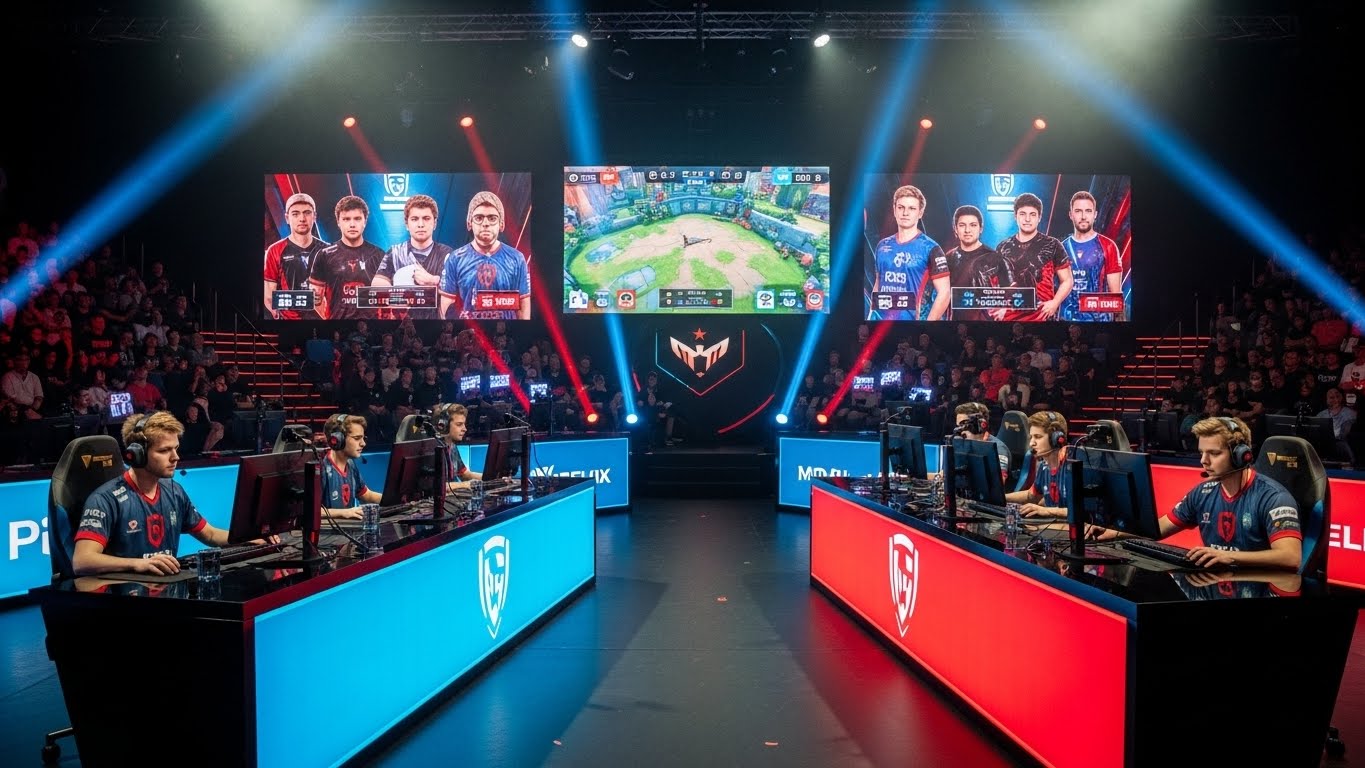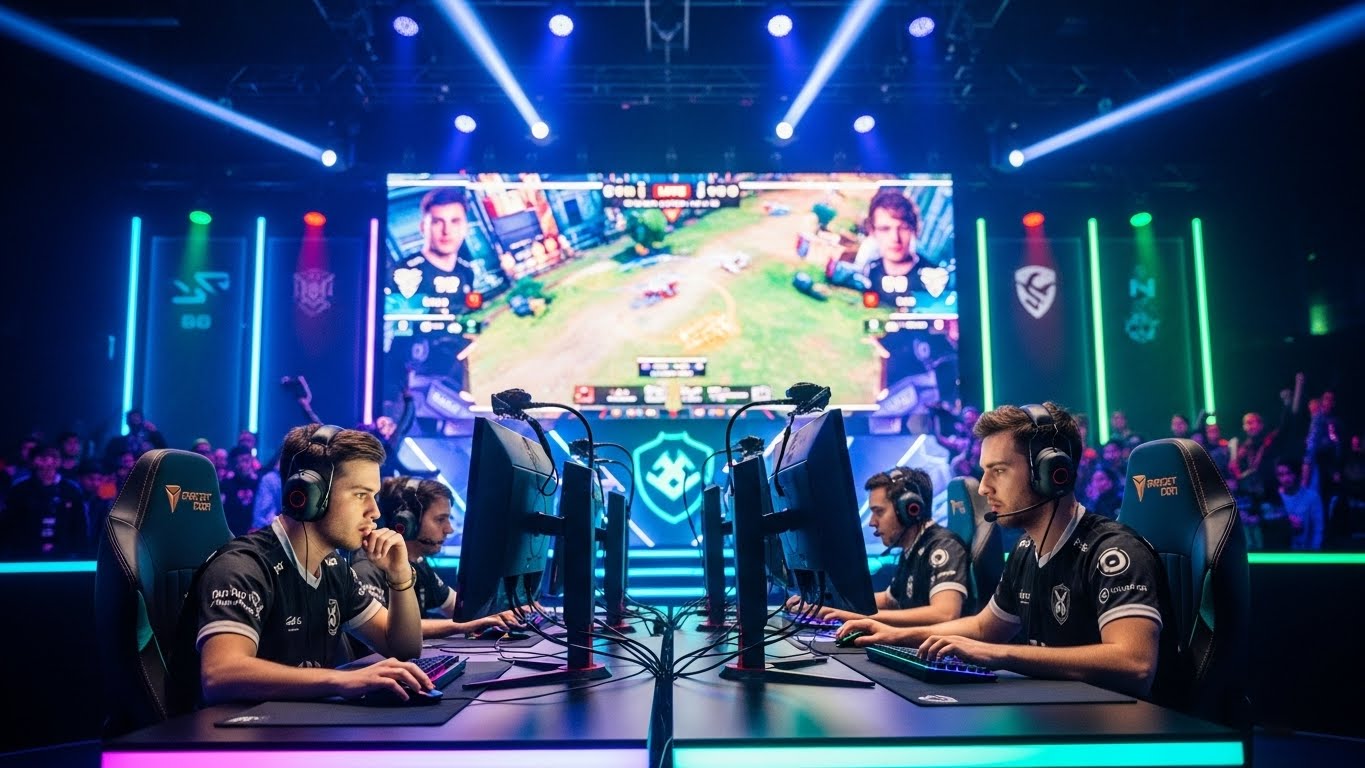
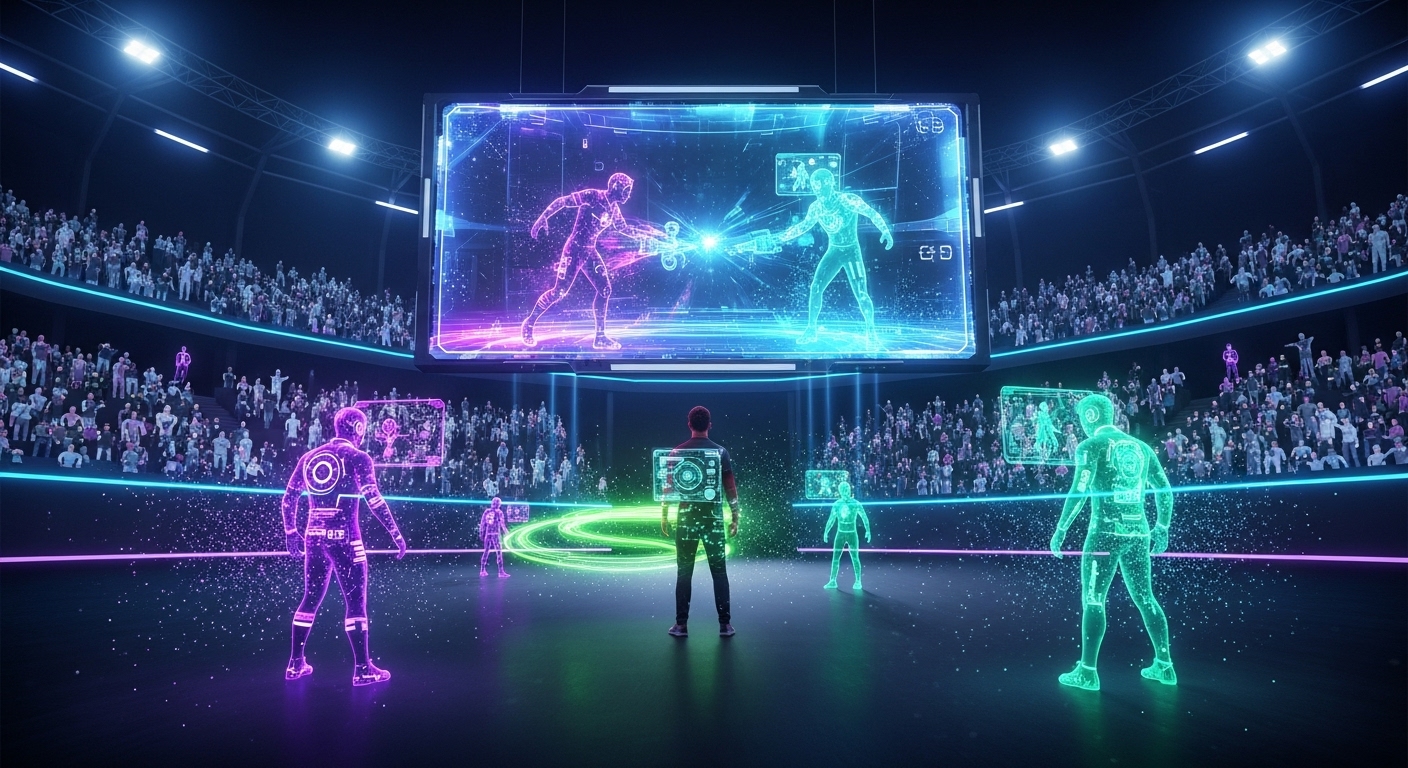
Esports, short for electronic sports, has evolved from being a niche pastime to a multibillion-dollar global industry that rivals traditional sports in viewership, investment, and cultural impact. What once started as a few friends competing on early video game consoles has turned into sold-out arenas, professional teams, celebrity players, and massive sponsorship deals. This transformation didn’t happen overnight—it’s the result of decades of technological innovation, cultural shifts, and the rise of digital connectivity.
This blog explores how esports developed, why it’s so influential today, and what the future might hold for this fascinating intersection of technology, entertainment, and competition.
The Early Days: Seeds of a Revolution
Esports didn’t appear out of thin air. Its roots can be traced back to the 1970s and 1980s, when video gaming itself was still in its infancy. The first known organized video game competition took place in 1972 at Stanford University, where students competed in a game called “Spacewar!” The prize was nothing more than a year’s subscription to Rolling Stone magazine, but it planted the seed for something bigger.
By the early 1980s, arcade gaming had exploded. Games like Pac-Man and Donkey Kong were everywhere, and high-score competitions became common in arcades across the world. Players were no longer just playing for fun—they wanted to be recognized as the best. Magazines like Twin Galaxies began recording world records, and television shows featured top gamers, giving the earliest glimpses of gaming as a spectator activity.
While the technology was primitive by today’s standards, the passion was the same. The idea that video games could be competitive—and even professional—was already taking shape.
The Internet Changes Everything
The 1990s brought the Internet, and with it, a revolution in how people played games. Instead of being limited to local multiplayer sessions or LAN parties, gamers could now compete with opponents halfway across the world. Titles like Doom, Quake, and StarCraft introduced online multiplayer and began cultivating massive competitive communities.
StarCraft, in particular, became the foundation of the modern esports movement, especially in South Korea. Internet cafes—known as PC bangs—spread rapidly across the country, and StarCraft tournaments started drawing huge crowds. South Korea invested heavily in broadband infrastructure early, giving rise to a new kind of celebrity: the professional gamer. By the early 2000s, televised esports matches in Korea were drawing millions of viewers. The rest of the world was starting to take notice.
This period also saw the birth of some of the earliest professional gaming organizations and tournaments, including the Cyberathlete Professional League (CPL) and the World Cyber Games (WCG). These events laid the groundwork for esports’ global structure and introduced prize pools that attracted serious talent.
The 2000s: Building a Professional Ecosystem
The early 2000s were a turning point. Gaming technology improved rapidly, and online platforms like Xbox Live and Battle.net made competitive play easier than ever. Titles such as Counter-Strike, Warcraft III, Halo 2, and Dota became staples of competitive gaming.
This decade was about organization and infrastructure. Esports started to adopt the systems and professionalism of traditional sports—leagues, teams, sponsors, and structured tournaments. Major corporations began investing in gaming hardware, broadcasting, and event production. The first esports superstars emerged, known for their incredible skill and dedication, often practicing for hours every day to maintain their edge.
While esports still hadn’t achieved mainstream recognition globally, it had become a legitimate subculture with dedicated fans, forums, and fan events. For many, it was no longer just about gaming—it was about competition, community, and identity.
Streaming: The Catalyst for Mainstream Popularity
If one thing truly pushed esports into the mainstream, it was live streaming. Platforms like Twitch and YouTube Gaming gave fans the ability to watch their favorite players and tournaments live from anywhere in the world. Suddenly, esports wasn’t limited to physical arenas or cable television—it was accessible to anyone with an internet connection.
This accessibility created an entirely new kind of celebrity: the streamer. Players who were once known only in small gaming circles became household names. Fans didn’t just watch games—they engaged with players directly through chat, built communities, and followed their favorite teams like traditional sports fans.
Streaming also created new revenue opportunities. Sponsorships, advertising, donations, and subscription models allowed players and organizations to make a sustainable living. For the first time, a young gamer could realistically dream of becoming a professional, not just as a competitor but as an entertainer.
The Explosion of Global Esports Titles
The 2010s saw an explosion in both the number and scale of esports titles. Every major genre had its own competitive scene, from shooters to strategy games to sports simulations. Some of the most influential titles of this era include:
- League of Legends – Developed by Riot Games, it became a global phenomenon, with its World Championship drawing tens of millions of viewers annually.
- Dota 2 – Known for having the largest prize pools in esports history, with The International tournaments setting new records year after year.
- Counter-Strike: Global Offensive – A tactical shooter that continued the legacy of its predecessors with a massive professional scene.
- Overwatch, Call of Duty, and Fortnite – Each created unique competitive ecosystems and fan bases, attracting both casual and professional players.
The diversity of games meant that esports was no longer a niche hobby—it was an ecosystem of overlapping communities, each with its own culture, heroes, and traditions.
The Business of Esports
As audiences grew, so did the money. Esports evolved into a legitimate business sector involving sponsorships, broadcasting rights, merchandise, advertising, and live event ticket sales. Major companies like Intel, Red Bull, and Coca-Cola became prominent sponsors, seeing the potential to reach younger, tech-savvy audiences.
Franchised leagues began to form, modeled after traditional sports organizations. The Overwatch League and League of Legends Championship Series (LCS) introduced city-based teams, regular seasons, and playoffs. This structure helped legitimize esports further, attracting mainstream investors and even celebrities—from traditional athletes to Hollywood stars—who began buying stakes in esports teams.
Prize pools also skyrocketed. The International 2019 for Dota 2 offered over 34 million dollars, mostly crowdfunded by the game’s community. For comparison, that rivaled or exceeded the prize money of some major traditional sports tournaments.
But esports isn’t just about money—it’s about opportunity. New careers have emerged around it: shoutcasters, analysts, event organizers, social media managers, and coaches, all contributing to a thriving industry that supports thousands of professionals worldwide.
Esports as a Cultural Movement
Beyond competition, esports has become a cultural touchstone for an entire generation. It represents the merging of technology, creativity, and global community. Fans don’t just watch—they participate. They create fan art, memes, cosplay, and communities. Esports events are as much cultural festivals as they are competitions.
The rise of gaming influencers has also blurred the lines between esports and entertainment. Players like Ninja, Faker, and s1mple are as famous in their circles as LeBron James or Lionel Messi are in theirs. Esports has given young people around the world new heroes who are relatable—people who made it through skill, strategy, and dedication.
Music, fashion, and even education have intersected with esports. Universities now offer esports scholarships. Fashion brands collaborate with teams. Music artists perform at tournaments. What was once dismissed as “just gaming” is now a driving force in youth culture.
Esports in Education and Career Development
As esports matured, its influence reached schools and universities. Many educational institutions now view esports as a valuable part of student life. Collegiate esports leagues have popped up across North America, Europe, and Asia, offering scholarships to talented players just as they would for football or basketball.
But it’s not just about playing games. Esports programs often emphasize teamwork, communication, leadership, and strategy—skills that are valuable in the workplace. Students learn about event management, broadcasting, marketing, and technology through esports clubs and programs.
Some universities have even built dedicated esports arenas and training facilities. These programs are helping bridge the gap between gaming passion and professional opportunity, creating pathways into careers in game development, media production, and technology.
The Role of Technology in Esports Growth
Technology has always been at the heart of esports, but recent advancements have accelerated its growth even more. High-speed internet, better graphics, powerful hardware, and streaming tools have all contributed to making esports more immersive and accessible.
Cloud gaming and mobile platforms have expanded participation. Games like PUBG Mobile and Mobile Legends have huge esports scenes, particularly in regions like Southeast Asia and India, where mobile devices are more common than gaming PCs. Virtual reality and augmented reality are also beginning to influence how esports might look in the future—potentially transforming both the player and viewer experience.
Artificial intelligence and data analytics are now being used to analyze gameplay, improve training, and even enhance broadcast production. Esports has become a showcase of how technology and human creativity can evolve together.
Challenges Facing Esports
For all its success, esports faces real challenges. One major concern is player health—both physical and mental. Professional gamers often practice for long hours, leading to issues like burnout, repetitive strain injuries, and mental fatigue. As the industry matures, there’s growing emphasis on player welfare, including coaching, physical therapy, and mental health support.
Another challenge is regulation. Unlike traditional sports, esports has no single governing body. Each game is owned by a different developer, meaning rules and standards can vary widely. Issues like cheating, match-fixing, and performance-enhancing software have occasionally tainted the scene, highlighting the need for better oversight.
Diversity and inclusion are also ongoing issues. While esports is open to everyone in theory, women and minority players still face barriers such as harassment and underrepresentation. However, many organizations and communities are working hard to change that, creating more welcoming spaces and opportunities for all players.
Esports During the Pandemic
The COVID-19 pandemic accelerated esports’ global rise in an unexpected way. While traditional sports leagues were forced to suspend games, esports thrived online. Fans still had access to live competitions, and even traditional sports organizations turned to esports for engagement. Formula 1, the NBA, and FIFA all hosted virtual tournaments featuring professional athletes competing in video game versions of their own sports.
Viewership numbers surged as people sought entertainment during lockdowns. Esports became one of the few industries that could continue operating almost uninterrupted, proving its resilience and adaptability in the digital era.
The Future of Esports
The future of esports looks incredibly promising. As technology continues to evolve, so will the experience for players and fans alike. Virtual reality, 5G connectivity, and AI-driven analytics are likely to make competitions even more dynamic and interactive.
Mainstream recognition will also continue to grow. Esports has already been featured in major multi-sport events, including the Asian Games, and discussions are underway about its potential inclusion in future Olympic Games. As generational shifts continue, younger audiences—who grew up with gaming as a normal part of life—will drive esports deeper into the cultural mainstream.
Esports may also expand into hybrid formats that mix gaming with other entertainment forms—music, live shows, and interactive streaming experiences. We’re moving toward a world where esports isn’t just about watching people play—it’s about participating, connecting, and sharing in real time.
The Human Element: What Makes Esports Special
At its core, esports isn’t just about technology or business—it’s about people. The thrill of competition, the emotional highs and lows, the teamwork, and the personal stories of perseverance are what make esports truly compelling.
Behind every great player is a story of countless hours of practice, self-discipline, and sacrifice. Behind every team is a network of coaches, analysts, and fans who believe in them. Esports has created communities that cross borders, languages, and cultures—proving that the love of competition and gaming is universal.
Conclusion: The Game Has Just Begun
Esports has come a long way from its humble beginnings in college labs and smoky arcades. Today, it stands shoulder to shoulder with traditional sports as one of the most exciting and influential industries in the world. Its growth tells a story about more than just gaming—it’s about innovation, globalization, and the power of community.
As we look ahead, one thing is clear: esports is not a passing trend. It’s a reflection of the digital generation, a celebration of skill and creativity, and a vision of how technology can bring people together in new and inspiring ways. Whether you’re a player, a fan, or a curious observer, you’re witnessing the birth of something that’s still evolving—a cultural movement that shows the future of competition is already here.