Introduction
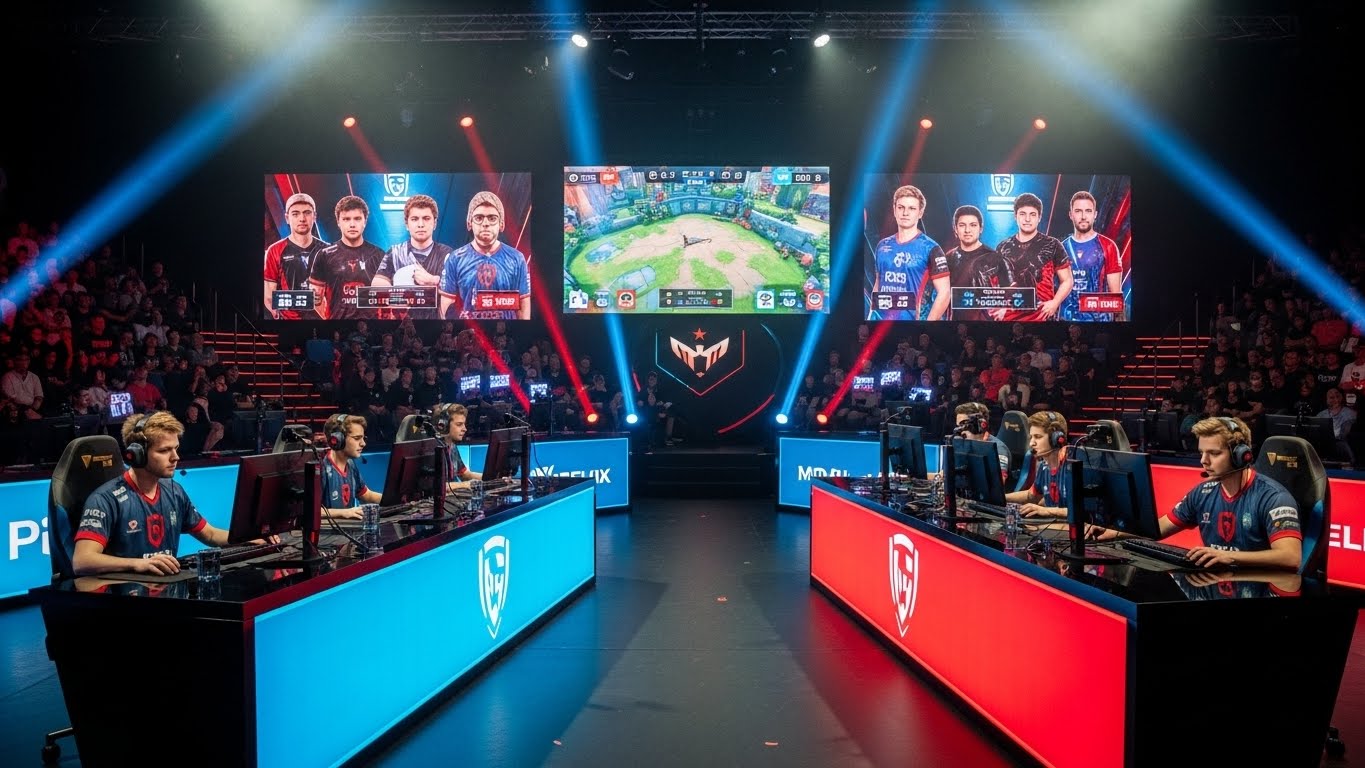
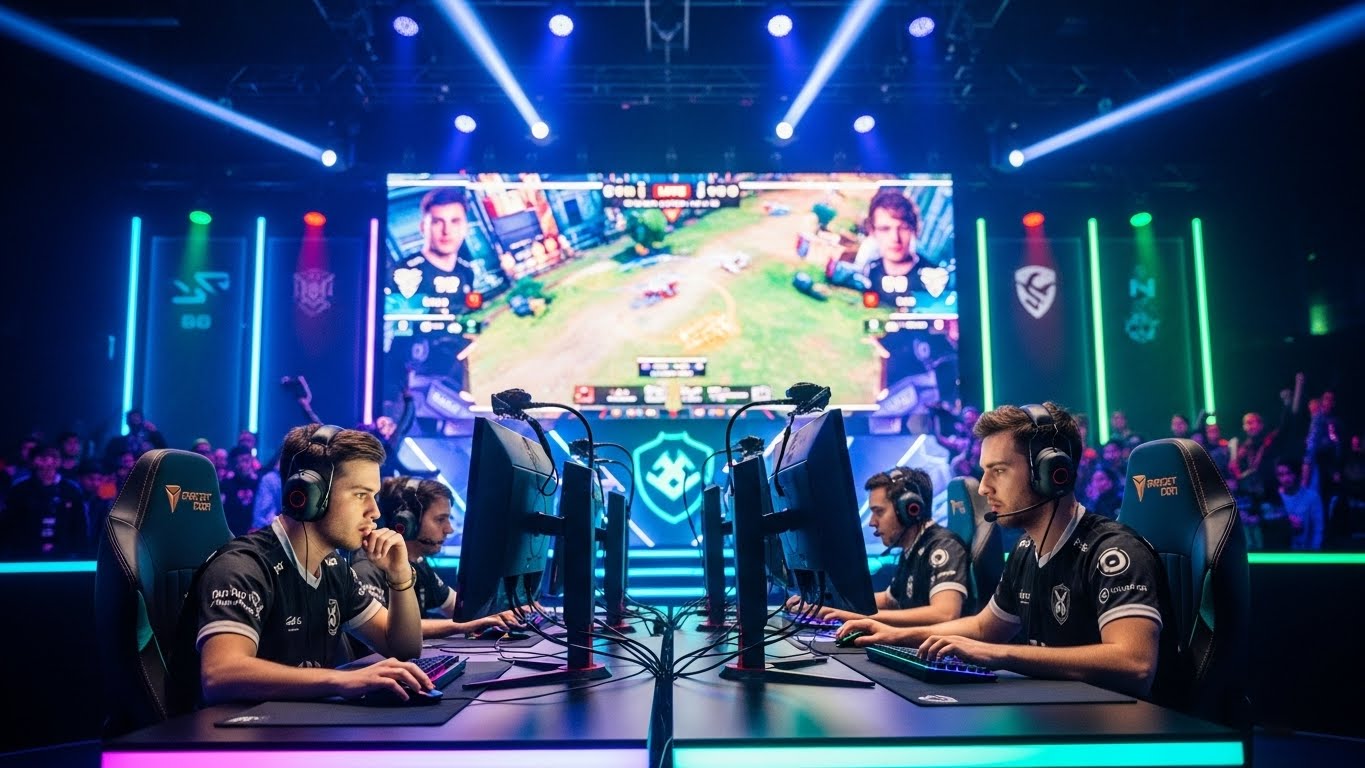
In just a few decades, competitive gaming has transformed from a small hobby into a global entertainment powerhouse. Esports, short for electronic sports, refers to organized, competitive video gaming in which players face off in tournaments for fame, recognition, and sometimes million-dollar prizes. What once took place in small, dimly lit rooms filled with a few dozen enthusiasts has now evolved into massive arenas packed with cheering fans and millions more watching online.
The rise of esports is not just about technology or gaming—it’s about culture, community, and the redefinition of what competition means in the digital age. The story of esports is a story of innovation, passion, and an ever-growing connection between human creativity and technology.
The Origins of Competitive Gaming
Before esports became a household term, video games were already inspiring competition. The earliest recorded gaming tournament dates back to 1972 at Stanford University, where students competed in a game called Spacewar. The prize? A one-year subscription to Rolling Stone magazine. Though it may sound modest today, that event was the seed of what would one day grow into a multibillion-dollar industry.
During the 1980s, arcade gaming became the hub of competitive spirit. Games like Pac-Man, Donkey Kong, and Space Invaders encouraged players to achieve high scores and etch their names onto arcade machines. Tournaments began appearing, and early gaming magazines started publishing national leaderboards. This period marked the birth of competitive gaming’s first heroes—individuals whose reflexes, creativity, and persistence made them legends in the arcade world.
The 1990s brought rapid technological growth. With the rise of home consoles and early internet connections, multiplayer games began to spread. Titles such as Street Fighter II and Doom introduced direct player-versus-player competition. LAN (Local Area Network) parties became common, as groups of friends gathered with bulky monitors and computers to battle each other in games like Quake and StarCraft.
The Birth of Modern Esports
While the 1990s laid the groundwork, the early 2000s solidified esports as a legitimate form of entertainment. South Korea was one of the first countries to recognize the potential of competitive gaming. With the rise of broadband internet, games like StarCraft became national obsessions, and professional players were treated like celebrities. Televised tournaments filled with fans began to appear, and esports teams formed with sponsorships and structured training schedules.
This period marked the first true esports leagues and organizations. South Korea’s infrastructure for gaming was unmatched, creating an environment where players could pursue gaming as a career rather than a hobby. The cultural acceptance of gaming there inspired other nations to take notice.
In the West, games like Counter-Strike, Halo, and Warcraft III began to attract massive audiences. LAN tournaments evolved into international competitions, and prize pools started to climb. The World Cyber Games, founded in 2000, became a global stage where players from dozens of countries represented their nations much like Olympic athletes.
The Explosion of Streaming and Online Platforms
No technological development changed esports more than the rise of streaming. Platforms that allowed live broadcasting of gameplay brought esports to a worldwide audience. Before streaming, fans had to rely on event recordings or text updates to follow tournaments. Now, anyone could tune in live, interact with players, and feel part of the community in real time.
Streaming also democratized esports viewership. It allowed niche games to develop passionate audiences, and it gave professional gamers a way to build their own brands. A player could stream their practice sessions, connect with fans, and develop loyal communities that supported them beyond tournaments.
The accessibility of streaming platforms made it easier for anyone, anywhere, to become an esports fan. No longer confined to specific television networks or local events, competitive gaming became global entertainment available to anyone with an internet connection.
The Professionalization of Esports
As viewership and fan interest grew, so did the business side of esports. Teams began to form formal organizations with coaches, analysts, nutritionists, and sponsorship managers. The era of the amateur champion gave way to professional players dedicating full-time careers to perfecting their skills.
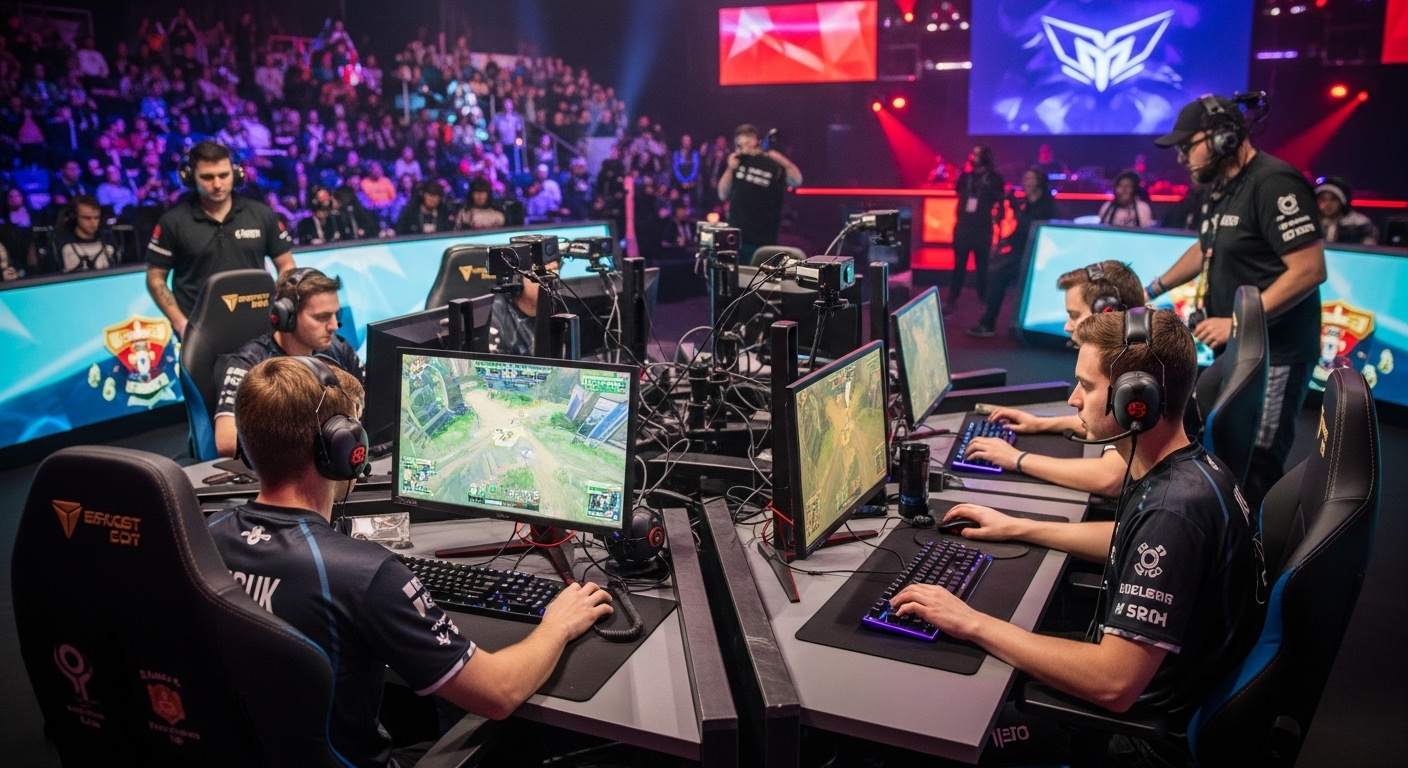
Training regimens became rigorous. Top players practiced eight to ten hours a day, studying opponents, reviewing their own gameplay, and improving teamwork and communication. Esports organizations started building training facilities resembling those used by traditional sports teams.
With sponsors pouring in and media coverage expanding, esports became a legitimate profession. Prize pools skyrocketed into the millions. Major tournaments like The International for Dota 2, the League of Legends World Championship, and the Fortnite World Cup showcased the scale of the industry. These events filled arenas with fans and attracted online audiences that rivaled or exceeded traditional sporting events.
Esports and Mainstream Culture
The influence of esports began to spill beyond gaming culture. Traditional sports franchises invested in esports teams. NBA organizations created their own esports divisions. Celebrities, musicians, and athletes became investors or even competitors in esports events.
Universities began offering scholarships for esports athletes, recognizing gaming as a legitimate form of competitive skill. Academic research also started examining esports, focusing on areas such as player performance, psychology, and the economic impacts of the industry.
Esports found its place in mainstream pop culture. Iconic esports moments were broadcast on television, while players appeared in commercials and documentaries. The image of the gamer evolved from a solitary figure in a dark room to a professional athlete performing in front of millions.
Diversity of Games in Esports
One of the unique aspects of esports is the vast diversity of games involved. Unlike traditional sports, which have a few dominant types, esports encompasses numerous genres. Each title offers a different style of play and audience experience.
Real-time strategy games like StarCraft emphasize resource management, decision-making, and multitasking. First-person shooters such as Counter-Strike and Overwatch focus on precision, teamwork, and reflexes. Multiplayer online battle arena (MOBA) games like League of Legends and Dota 2 emphasize strategic coordination and complex tactics. Battle royale games such as Fortnite and PUBG highlight survival, creativity, and adaptability.
Sports simulation titles like FIFA and NBA 2K bring traditional sports fans into the esports world. Fighting games such as Street Fighter and Tekken maintain decades-long competitive traditions. This variety ensures that esports appeals to people with different interests, skills, and preferences.
The Economic Impact of Esports
The esports industry has grown into a billion-dollar global economy. Revenues come from sponsorships, advertising, ticket sales, merchandise, streaming rights, and in-game purchases. Major companies recognize esports as a key avenue to reach younger audiences who consume digital media differently from traditional television viewers.
Tournaments generate tourism and local economic boosts. Cities that host major esports events benefit from hotel bookings, restaurant spending, and international exposure. Entire careers have emerged around the ecosystem of esports—commentators, event organizers, coaches, graphic designers, and social media managers all play critical roles in this industry.
Game developers also benefit from the esports ecosystem. A game with a strong competitive scene tends to enjoy longer lifespans and stronger community engagement. Developers often design features specifically for competitive play, ensuring balance and fairness while promoting high-level strategy.
Esports Education and Career Opportunities
As the industry matured, education systems began recognizing esports as a legitimate field of study. Universities around the world now offer courses and degrees in esports management, broadcasting, game design, and player health. This educational integration reflects how esports is no longer a passing trend but an established global industry.
Beyond professional players, countless careers support the esports ecosystem. Event production, marketing, analytics, and psychology all play vital roles in the success of teams and tournaments. Just as traditional sports rely on infrastructure beyond athletes, esports thrives on diverse professional contributions.
The Role of Technology in Esports
Technological innovation continues to shape esports. High-speed internet, advanced gaming hardware, and cutting-edge software enable smoother gameplay and more immersive experiences. Virtual reality and augmented reality technologies are beginning to influence how spectators engage with matches.
Artificial intelligence and data analytics play increasing roles in coaching and strategy. Teams analyze massive amounts of gameplay data to uncover patterns, improve decision-making, and gain competitive advantages. Streaming technology continues to evolve, offering higher quality, lower latency, and more interactive experiences.
With the development of cloud gaming and 5G networks, esports is becoming even more accessible. Players no longer need expensive hardware to compete; they can play on almost any device with a stable connection. This accessibility could expand the global esports audience even further.
The Psychological and Physical Demands of Esports
Contrary to popular belief, professional gaming is far from easy. Esports athletes must maintain exceptional mental focus, reflexes, and coordination. They face intense pressure, long practice hours, and public scrutiny. Mental fatigue and burnout are real challenges that many players face during their careers.
Teams now employ sports psychologists to help players manage stress, build confidence, and maintain motivation. Physical health is also gaining importance. Though esports does not require the same physical exertion as traditional sports, maintaining posture, hand health, and overall fitness are crucial for longevity in the field.
Nutrition, sleep, and exercise routines have become integral to esports training. The understanding that a healthy body supports a sharper mind is now widely embraced among professional players and coaches.
Challenges Facing the Esports Industry
Despite its success, esports faces several challenges. One major issue is player burnout and the relatively short career lifespan of many professionals. Another is the lack of standardized global regulations. Unlike traditional sports, esports involves many different game publishers, each controlling their own competitive environment.
Match-fixing, cheating, and performance-enhancing software are concerns that must be constantly addressed. Maintaining integrity is essential to preserving audience trust. Additionally, as esports audiences grow younger, there are ongoing discussions about responsible gaming habits and balancing screen time.
The question of gender diversity remains a challenge. While women have made significant strides in the esports community, representation at the highest professional levels remains limited. Encouraging inclusivity and ensuring safe, supportive environments are key to building a more balanced future.
The Global Reach of Esports
Esports is one of the few entertainment industries that truly transcends borders. Players and fans from every continent connect through shared passion. Major tournaments feature teams composed of members from multiple nations, and online communities form regardless of language or culture.
Different regions have become known for their specialties. South Korea dominates in strategy and MOBA titles, Europe has produced legendary Counter-Strike and League of Legends teams, North America boasts massive infrastructure and sponsorships, while China has become a central powerhouse in viewership and investment.
This global connectivity makes esports a reflection of our modern digital world—a place where competition and community coexist without physical boundaries.
Esports and the Future of Entertainment
Esports represents the future of interactive entertainment. Younger generations increasingly prefer interactive and participatory experiences over passive viewing. Esports embodies this shift, allowing fans to engage directly with players, influence events through online platforms, and even participate in amateur tournaments.
Virtual arenas and metaverse platforms may redefine how spectators experience events. Imagine donning a VR headset to stand virtually beside your favorite team during a championship match or viewing real-time statistics as holographic overlays. These possibilities show how technology and creativity will continue to merge in esports.
As traditional sports integrate digital elements, the line between physical and virtual competition will blur. Hybrid events combining esports and real-world challenges could become new forms of entertainment.
The Cultural Significance of Esports
Esports is not just about winning games—it’s about storytelling, identity, and shared emotion. Fans rally behind teams not only for their skill but for their personalities, their struggles, and their triumphs. The rivalries, underdog victories, and unexpected comebacks mirror the drama of any traditional sport.
Culturally, esports represents a generation raised in the digital era. It reflects values of connectivity, creativity, and inclusivity. The idea that anyone, regardless of background, can rise to global fame through talent and dedication resonates deeply with young people worldwide.
Esports also encourages collaboration. Games often require communication, teamwork, and strategy. These elements foster social skills and collective problem-solving, contradicting old stereotypes that gaming is an isolating hobby.
Esports in the Next Decade
The next decade promises even more growth and transformation. With technological advancements, global accessibility, and increasing legitimacy, esports could rival traditional sports in revenue and influence. Emerging technologies like AI-driven coaching, holographic broadcasts, and real-time interactive viewing could redefine what it means to watch or play competitively.
We may also see greater integration between esports and education. Schools could adopt gaming-based learning programs, using competitive play to teach critical thinking, teamwork, and strategy. Governments may begin formally recognizing esports as part of national sports federations, granting players official status and benefits.
The potential is limitless, but success will depend on maintaining fairness, inclusivity, and sustainability. The foundation built over the past two decades ensures that esports is here to stay, continuing to inspire new generations of players and fans.
Conclusion
Esports has evolved from humble beginnings into one of the most exciting and influential industries of the 21st century. What began as friendly arcade competitions has become a global movement uniting millions through passion and technology. It represents the intersection of entertainment, innovation, and community, showing that competition is not confined to physical arenas.
As the industry continues to mature, esports will shape not only how we play games but how we connect, communicate, and celebrate human skill. It stands as proof that the digital age has created new arenas of excellence—ones where reflexes, strategy, and teamwork matter as much as in any traditional sport.
The story of esports is far from over. It is still being written by players, fans, developers, and dreamers around the world. Whether you are a casual gamer, an aspiring professional, or simply a spectator, esports invites everyone to be part of something extraordinary—a shared experience where competition meets creativity, and where every victory echoes across a truly global stage.