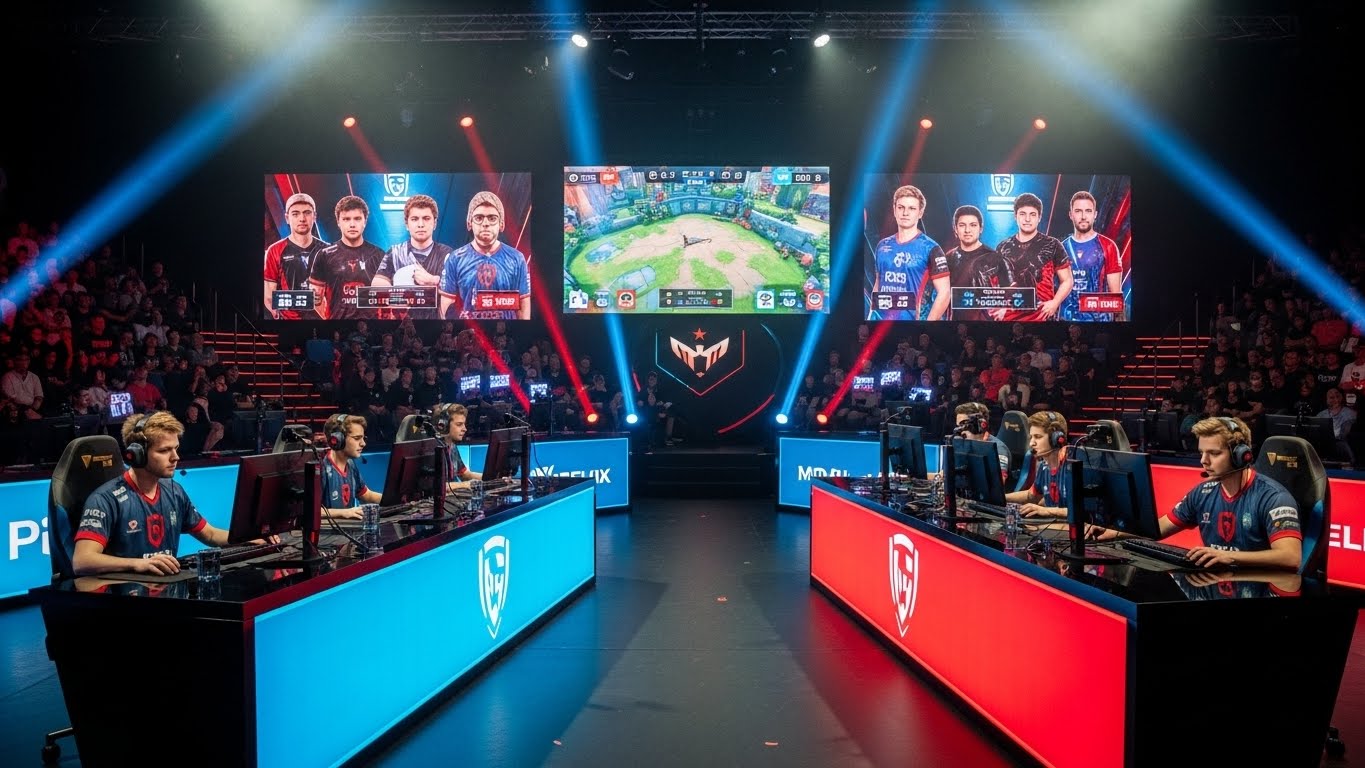
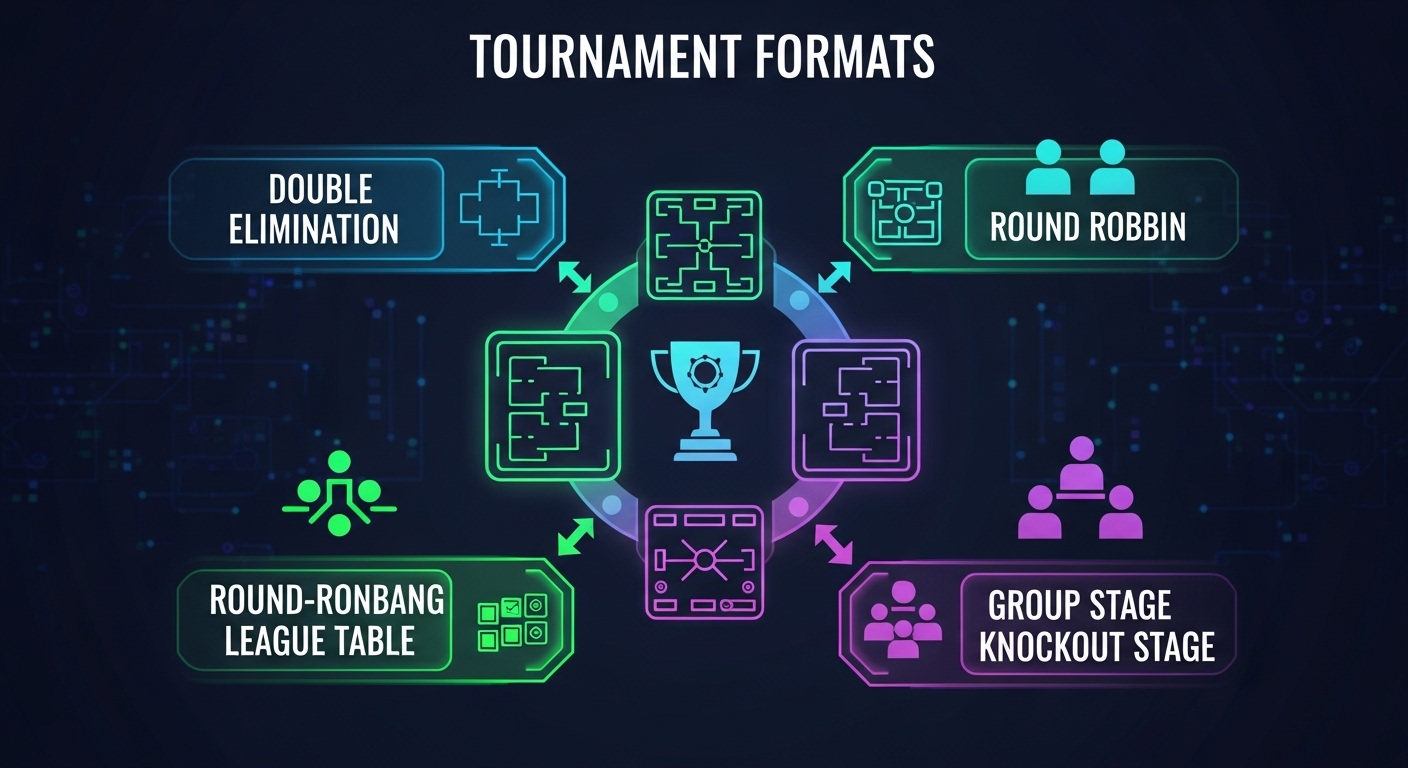
Esports has grown into a global industry with millions of players and fans participating in competitions across a wide range of games. One of the most crucial factors in organizing successful esports events is the tournament format. The format dictates how teams or players compete, how winners are determined, and how the event flows from start to finish. A well-chosen format can enhance excitement, fairness, and spectator engagement, while a poorly chosen format can lead to confusion or imbalance.
In this blog, we’ll explore the best tournament formats in esports, why they work, and how they are used in the competitive gaming landscape.
Understanding Tournament Formats
A tournament format is the structure of a competitive event. It defines the rules of progression, elimination, and scoring. Different formats suit different games, depending on the number of participants, the length of matches, and the importance of fairness versus entertainment.
Key factors to consider when selecting a tournament format include:
- Number of Participants – Small or large player pools require different structures.
- Game Type – Team-based or individual games, real-time or turn-based.
- Match Duration – Short matches favor fast-paced formats; long matches may require fewer rounds.
- Audience Engagement – Formats that maintain suspense and drama tend to be more entertaining.
- Fairness – Ensuring the best players or teams have a fair chance to succeed.
Single Elimination
Single elimination is one of the simplest and most widely used formats. Players or teams face off in one-on-one matches, and the loser is immediately eliminated. The winner advances to the next round until a champion is determined.
Pros:
- Quick and efficient for large tournaments.
- Easy to understand for spectators.
- High stakes create dramatic tension.
Cons:
- One bad game can eliminate a strong player or team.
- Less forgiving, which may reduce fairness in competitive esports.
Examples:
- Many amateur tournaments and online qualifiers for games like CS:GO or FIFA use single elimination for efficiency.
Double Elimination
Double elimination is a popular format in competitive esports because it provides a second chance. Players or teams start in the upper bracket. A loss moves them to the lower bracket, and a second loss eliminates them.
Pros:
- More forgiving than single elimination.
- Allows strong teams to recover from early mistakes.
- Creates exciting upper vs. lower bracket dynamics.
Cons:
- Requires more time and matches to complete.
- Can be complex for spectators to follow without clear brackets.
Examples:
- Dota 2’s The International and CS:GO Majors often use double elimination in playoffs.
- Fighting games like Street Fighter and Smash Bros. frequently adopt this format.
Round Robin
Round robin is a format where each participant plays against every other participant at least once. This ensures that all players have an equal opportunity to prove themselves.
Pros:
- Extremely fair, as all participants face the same opponents.
- Reduces the chance of fluke victories.
- Great for seeding into playoffs or later stages.
Cons:
- Time-consuming, especially for large player pools.
- Can become less exciting if standings become predictable.
Examples:
- Many esports leagues, including League of Legends LEC and LCS, use round robin in the group stage before playoffs.
- Online tournaments for Hearthstone and Magic: The Gathering Arena often adopt this system.
Swiss System
The Swiss system pairs players with similar records after each round, often used in tournaments with many participants but limited time. Players do not get eliminated immediately; instead, performance determines pairings in subsequent rounds.
Pros:
- Balances fairness with efficiency.
- Ensures that strong players meet each other in later rounds.
- Avoids early elimination of top talent.
Cons:
- Can be confusing for spectators unfamiliar with Swiss pairings.
- Requires careful tracking of match results and tiebreakers.
Examples:
- Card games like Hearthstone and Magic: The Gathering frequently use Swiss system formats.
- Some esports qualifiers, especially for large open tournaments, adopt Swiss systems to filter participants.
Best-of Series
Many esports games employ best-of series (Best-of-3, Best-of-5, Best-of-7) as a component of tournament formats. This involves a series of matches between two players or teams, where the first to reach a predetermined number of wins advances.
Pros:
- Reduces the impact of a single fluke game.
- Rewards consistency and strategic depth.
- Allows for comebacks, which increases excitement.
Cons:
- Extends match duration significantly.
- Requires higher endurance from players.
Examples:
- Dota 2 playoffs typically use best-of-3 series, with finals often best-of-5.
- CS:GO and League of Legends employ best-of-3 and best-of-5 in professional leagues.
Group Stage to Knockout
A combination format often used in major esports tournaments is the group stage to knockout stage. Participants are first divided into groups, often using round robin or Swiss system, and the top teams advance to a single or double elimination playoff.
Pros:
- Balances fairness with excitement.
- Allows players to recover from early losses in the group stage.
- Generates content for spectators with multiple matches per team.
Cons:
- Complex scheduling and bracket management.
- Can be difficult to follow for casual fans.
Examples:
- League of Legends Worlds Championship, Dota 2 The International, and Overwatch League often use this hybrid system.
Ladder Systems
Ladder systems rank players or teams based on wins, losses, and performance over time. Competitions are ongoing rather than fixed tournaments.
Pros:
- Encourages continuous competition.
- Allows players to progress at their own pace.
- Common in online competitive games and ranked modes.
Cons:
- Can be less dramatic than single events.
- May favor players with more time to compete.
Examples:
- StarCraft II ranked ladder.
- Hearthstone and League of Legends ranked systems.
Hybrid Formats
Some tournaments combine multiple formats to maximize fairness and entertainment. For instance, a group stage may use round robin to determine seeding, followed by a double elimination playoff. Best-of series are then used to determine winners in each matchup.
Pros:
- Flexible and adaptable to any game or participant size.
- Offers both fairness and high-stakes excitement.
- Encourages long-term storylines for spectators.
Cons:
- Complex scheduling and management.
- Demands more time and resources.
Examples:
- The International (Dota 2), League of Legends Worlds, and CS:GO Majors often adopt hybrid formats.
Choosing the Right Format for a Game
Different esports titles have different needs. Factors influencing format choice include:
- Game Length: Short games (e.g., CS:GO, Valorant) can use longer series or double elimination, while long games (e.g., Dota 2) require fewer matches.
- Team Size: Large team games benefit from group stages to filter participants before playoffs.
- Spectator Engagement: Formats that build suspense and allow comebacks tend to attract more viewers.
- Number of Participants: Massive open tournaments may need Swiss or round robin systems, while small invitational events can use single elimination.
Conclusion
The best tournament formats in esports strike a balance between fairness, excitement, and efficiency. Single elimination, double elimination, round robin, Swiss systems, and hybrid formats all have their place, depending on the game, audience, and scale of the event.
Well-chosen formats elevate the competitive experience, ensuring that skilled players are rewarded, fans stay engaged, and tournaments run smoothly. In a fast-growing industry, mastering tournament formats is as important as understanding the games themselves.
Esports organizers continue to innovate with formats, finding new ways to create suspense, reward skill, and entertain audiences worldwide. As esports evolves, so too will the tournaments that define its competitive spirit, blending tradition with creativity to produce unforgettable experiences.
If you want, I can also create a list of the top 20 most iconic esports tournaments and the formats they use, which would make a great reference for understanding these formats in action.