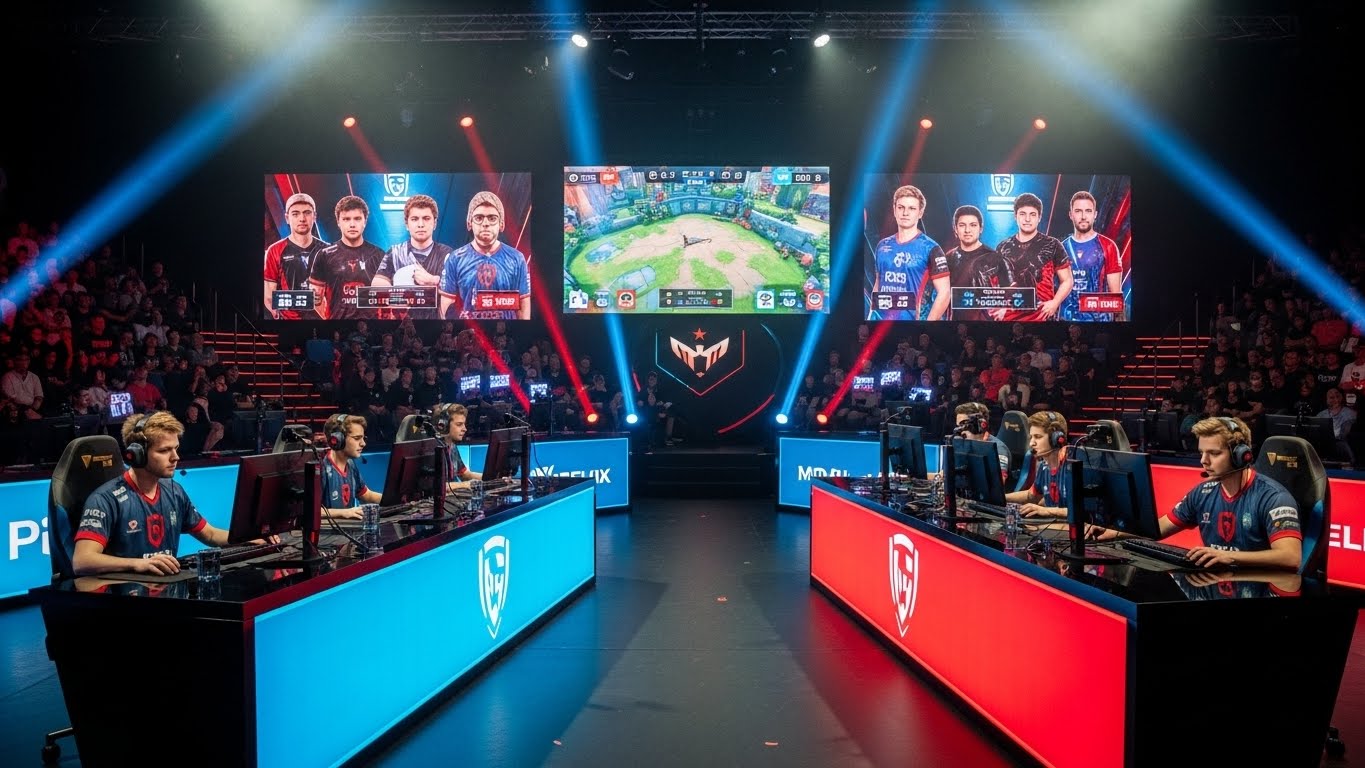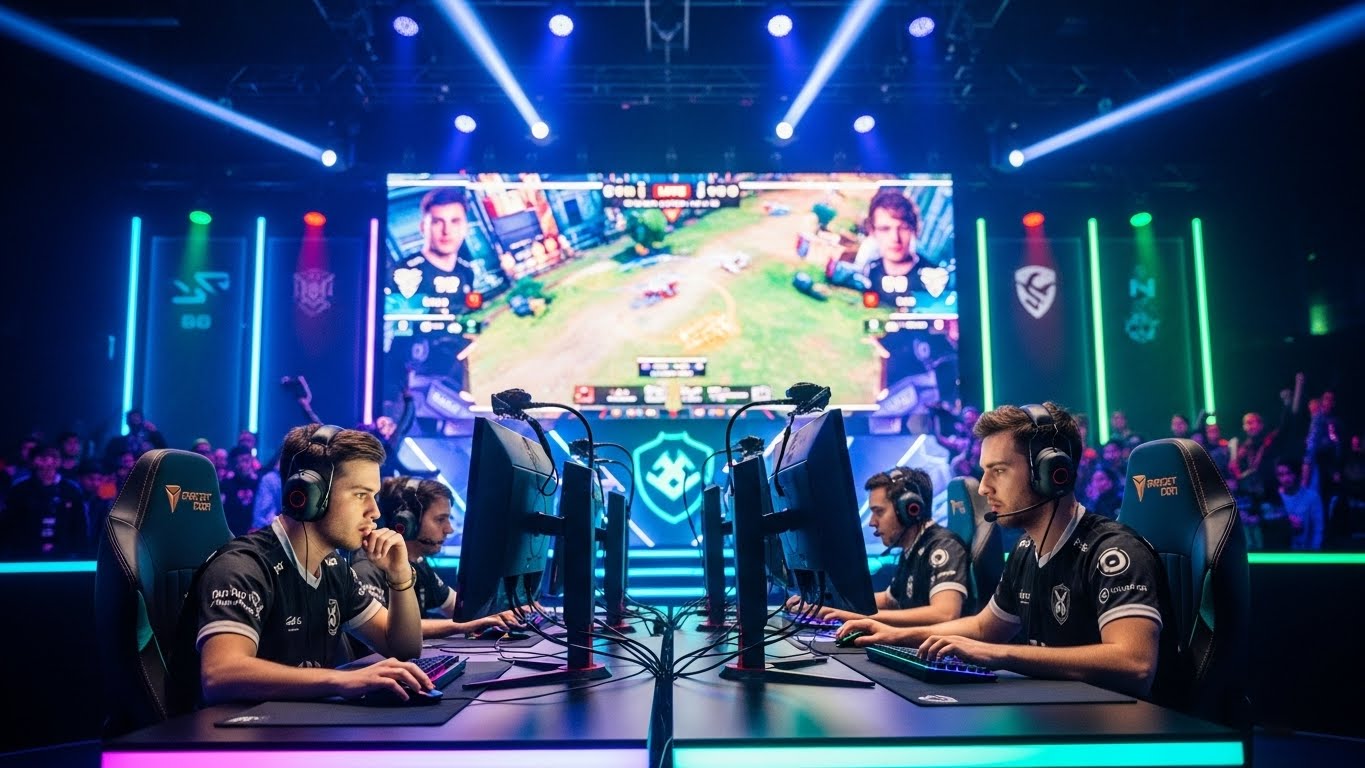
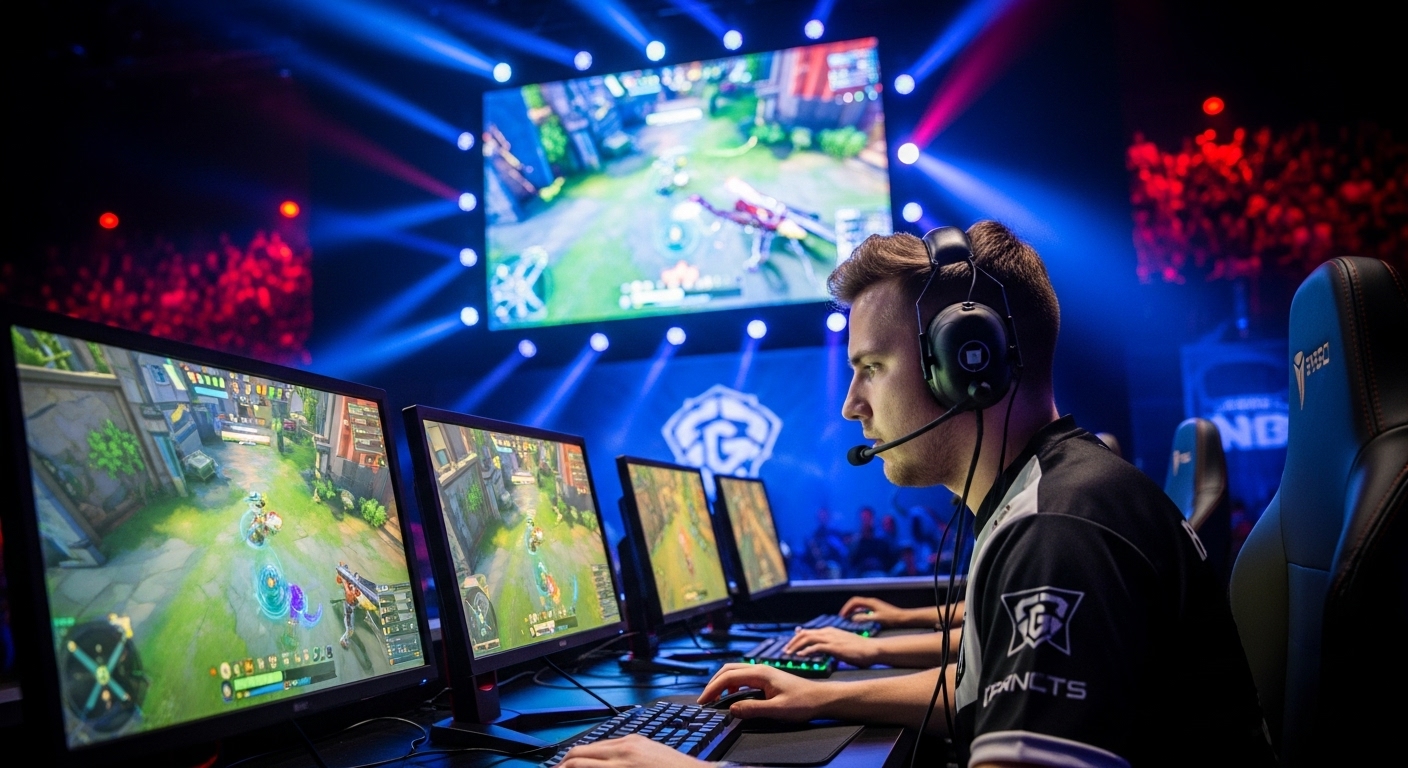
In the past decade, esports has transitioned from a niche activity to a globally recognized industry. With its blend of competition, skill, and entertainment, esports now attracts millions of players and viewers around the world. But what exactly is esports, and why has it garnered such widespread attention? Let’s take a closer look at the fascinating world of competitive gaming.
What Is Esports?
Esports, short for electronic sports, refers to competitive video gaming at a professional level. This can include multiplayer video game tournaments, leagues, and individual competitions where players face off to claim victory. Unlike casual gaming, esports involves intense preparation, strategy, and skill, with players often training for hours each day to perfect their craft.
Esports spans a wide variety of games, ranging from strategy games like League of Legends and Dota 2, to first-person shooters like Counter-Strike and Call of Duty, as well as battle royales such as Fortnite and PUBG. These games attract professional teams, sponsored players, and fans alike, creating a robust ecosystem that mirrors traditional sports in many ways.
The Evolution of Esports
Though competitive gaming dates back to the 1990s, esports truly began to take shape in the early 2000s. The advent of online multiplayer games and faster internet speeds allowed players from all corners of the globe to compete against each other in real-time. This opened up new opportunities for large-scale tournaments and leagues to form.
One of the earliest milestones in the esports world was the creation of Blizzard Entertainment’s StarCraft tournament in South Korea, which helped set the stage for the professional scene we know today. In the 2010s, the rise of streaming platforms like Twitch further boosted esports’ popularity, enabling fans to watch their favorite players and teams in action from anywhere in the world.
Esports as a Career
Gone are the days when gaming was seen as a mere hobby or a pastime. Today, esports has become a legitimate career path for many. Professional players can earn impressive salaries through tournament winnings, sponsorships, and streaming deals. Top-tier teams, like Team Liquid and Cloud9, have multi-million-dollar sponsorships with global brands, and some players are even making millions from tournament prizes alone.
The most famous esports athletes can command millions of followers on social media, and their tournaments attract millions of live-streaming viewers. In fact, major esports tournaments, such as The International (Dota 2) and the League of Legends World Championship, boast prize pools in the tens of millions of dollars, rivaling traditional sports events like the Super Bowl.
Esports as Entertainment
Esports is no longer just about the players; it’s a full-fledged entertainment industry. Esports tournaments are broadcast to millions of fans worldwide, and large-scale events are often held in stadiums, with audiences watching live. These events are often high-energy, complete with expert commentary, analysis, and incredible displays of skill, which make them thrilling to watch even for those unfamiliar with the games themselves.
Organizations like ESL (Electronic Sports League) and Blizzard Entertainment put on massive tournaments that bring together the best teams and players, creating a spectacle akin to that of traditional sporting events. As the industry matures, there are also an increasing number of television networks and streaming platforms devoted to esports, further cementing its place in the entertainment world.
The Impact of Esports on Traditional Sports
Esports is influencing traditional sports in various ways, from sponsorship deals to the increasing recognition of esports athletes. Some professional sports teams are investing in esports organizations, while universities are offering scholarships for students pursuing careers in gaming. Major brands, including Nike, Coca-Cola, and Red Bull, are also jumping on the esports bandwagon, sponsoring teams, events, and players.
Moreover, esports is diversifying the landscape of sports fandom. With its global reach and the appeal of digital platforms, esports attracts a younger, tech-savvy audience that may not be as interested in traditional sports. This shift in viewership has led many traditional sports organizations to take esports seriously, integrating gaming into their marketing strategies and expanding their audience base.
Challenges and Controversies
Despite its growth, esports is not without its challenges. Issues like player burnout, the pressure of constant performance, and even health concerns related to long gaming sessions have raised alarms in the industry. Mental health is another area of concern, as the intense competition and public scrutiny can take a toll on players.
Additionally, the lack of standardization in certain aspects of the industry, such as tournament rules, broadcasting rights, and revenue sharing, creates uncertainty for both players and organizations. The absence of regulatory frameworks in many regions also leads to issues with cheating and match-fixing, though efforts to curb these problems are underway.
The Future of Esports
The future of esports looks bright, with continued advancements in technology paving the way for even more immersive and dynamic experiences. The rise of virtual reality (VR) and augmented reality (AR) gaming could revolutionize how esports competitions are held, making them even more interactive for fans.
The ongoing growth of esports in education, media, and entertainment will likely lead to greater mainstream acceptance. Many are even speculating that esports could one day become an Olympic event, which would be a monumental step in recognizing esports as a legitimate, global sport.
Conclusion
Esports has come a long way from its humble beginnings. What started as a niche hobby has evolved into a billion-dollar industry that spans continents, attracting players, fans, and companies from all over the world. Whether you’re a gamer, a fan, or simply curious about this cultural phenomenon, there’s no denying that esports is here to stay—and its impact will continue to shape the entertainment landscape for years to come.