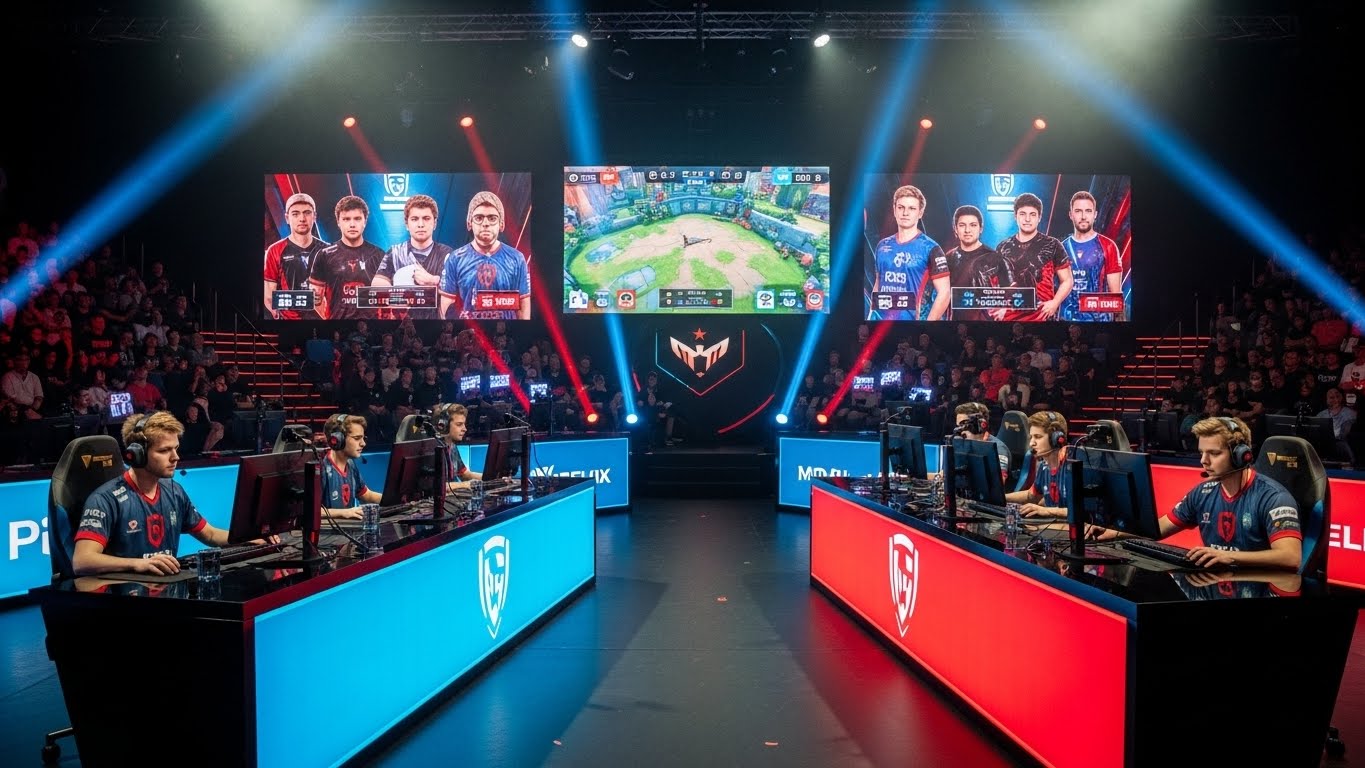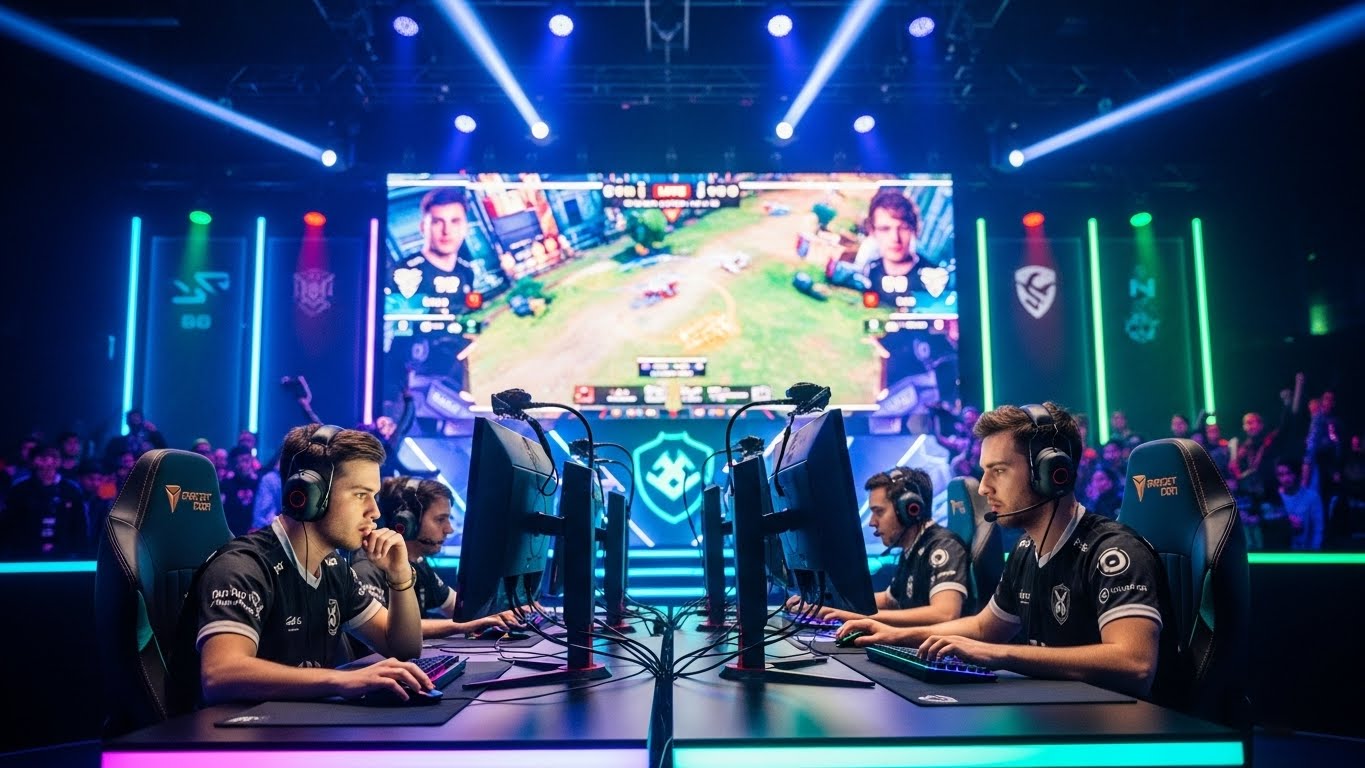
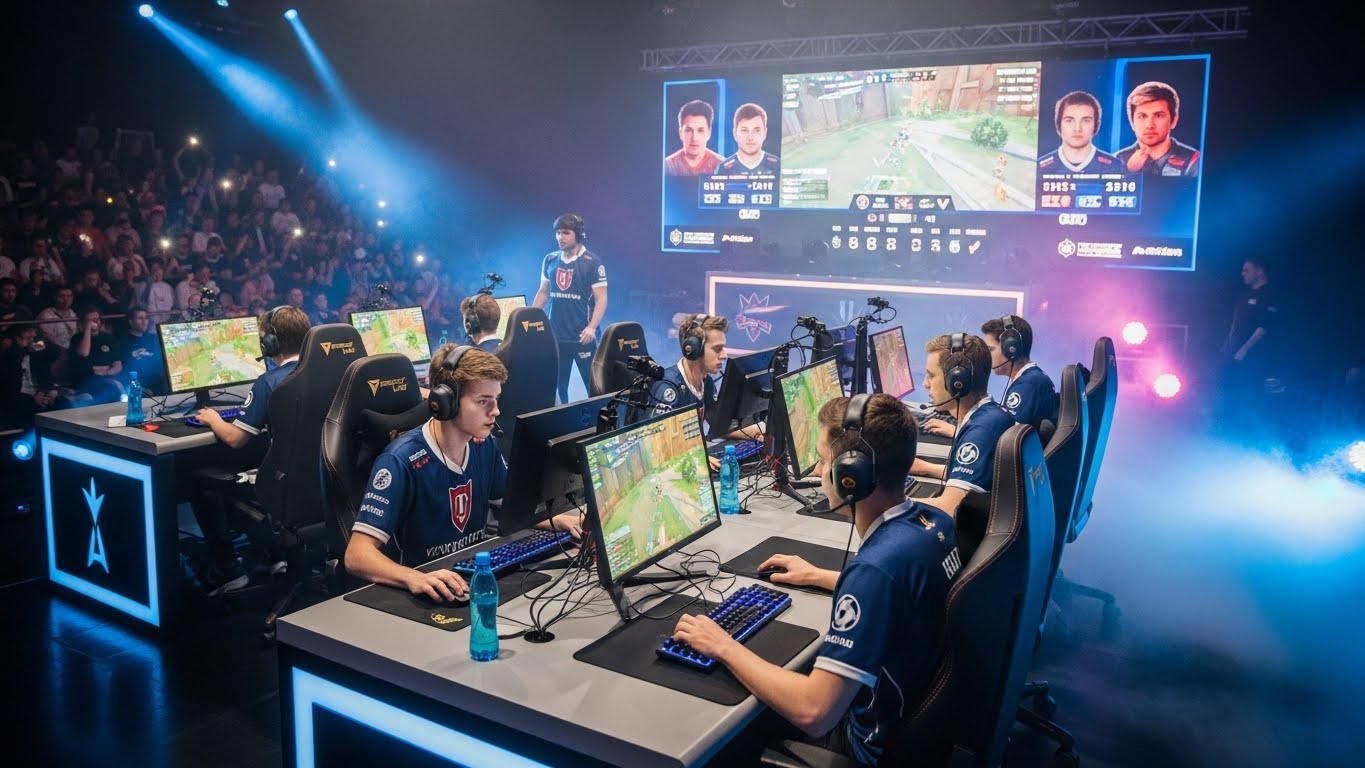
Esports, or electronic sports, has emerged as one of the fastest-growing entertainment industries in the world. What began as casual gaming among friends has transformed into a professional, global phenomenon with millions of participants, fans, and viewers. Esports combines strategy, skill, teamwork, and technology to create experiences that rival traditional sports in competitiveness, excitement, and community engagement. This blog explores the rise of esports, its cultural and economic impact, and the future of competitive digital gaming.
The Origins of Esports
Esports has humble beginnings. In the late 1970s and early 1980s, video game competitions started in arcades and college campuses. Games like Space Invaders and Pac-Man provided casual contests, while arcade tournaments introduced small-scale competitions among enthusiasts.
The 1990s marked the rise of organized esports. With the advent of multiplayer games like Doom, StarCraft, and Quake, competitive gaming gained structure. LAN tournaments allowed players to compete in real time, while early online platforms enabled remote competitions. These developments laid the foundation for modern esports, combining skill, strategy, and community.
The Growth of Esports as a Global Phenomenon
Over the past two decades, esports has grown exponentially. Professional leagues, major tournaments, and streaming platforms have expanded the audience from niche gaming communities to global viewers. Events like The International for Dota 2, the League of Legends World Championship, and Fortnite World Cup now attract millions of spectators both online and in stadiums.
Esports has become a legitimate career path. Professional players earn salaries, tournament winnings, sponsorship deals, and streaming revenue. Teams are managed like traditional sports franchises, with coaches, analysts, and support staff contributing to success. This professionalization has elevated esports from hobbyist activity to an industry with global influence.
The Structure of Competitive Esports
Esports competitions vary in structure depending on the game and platform. Most tournaments feature qualifiers, group stages, and playoff rounds leading to championship finals. Games like League of Legends, Dota 2, and Counter-Strike: Global Offensive feature team-based competitions, requiring coordination, strategy, and communication.
Individual esports, such as fighting games or racing simulations, focus on personal skill and reflexes. Regardless of format, all esports require dedication, practice, and mental resilience. The combination of skill, teamwork, and strategy makes esports uniquely challenging, rewarding, and engaging for both players and fans.
Esports as a Form of Entertainment
Esports is entertainment in its purest digital form. Streaming platforms allow millions of fans to watch live competitions, interact with commentators, and follow their favorite players and teams. Unlike traditional sports, esports offers direct engagement through online communities, live chats, and social media interaction.
The spectator experience is enhanced by in-game cameras, live statistics, and expert commentary. Fans not only watch matches but also learn strategies, celebrate highlights, and engage in community discussions. The digital nature of esports allows audiences to access content from anywhere in the world, making it a truly global phenomenon.
The Economic Impact of Esports
Esports has become a multi-billion-dollar industry. Revenue streams include tournament prize pools, sponsorships, media rights, merchandise, and streaming platforms. Leading esports teams operate like traditional sports franchises, investing in marketing, branding, and player development.
The industry also stimulates employment opportunities beyond professional players. Analysts, commentators, coaches, content creators, event organizers, and marketing professionals all contribute to the esports ecosystem. Local economies benefit from esports events through tourism, hospitality, and media coverage. The financial influence of esports continues to grow as audiences and investment expand.
The Role of Technology in Esports
Technology is the backbone of esports. High-performance computers, fast internet connections, and advanced gaming peripherals enable players to compete at the highest level. Streaming platforms, cloud computing, and live broadcasting tools allow millions of fans to watch events in real time.
Artificial intelligence and analytics enhance player performance, team strategy, and fan engagement. Game developers continuously update titles to maintain competitive balance and provide new challenges. Emerging technologies like virtual reality and augmented reality promise even more immersive esports experiences, bridging the gap between physical and digital arenas.
Training and Skill Development in Esports
Success in esports requires intense practice, strategic thinking, and teamwork. Professional players train for several hours daily, focusing on mechanics, reflexes, and decision-making. Team coordination and communication are crucial in multiplayer games, while individual skill is essential in solo competitions.
Coaching and analytics play a significant role in player development. Teams study opponents, analyze gameplay, and develop strategies to gain a competitive edge. Mental preparation, stress management, and adaptability are also essential skills, as esports matches demand focus, quick thinking, and resilience under pressure.
Esports and Education
Esports is increasingly recognized as a legitimate component of education. Universities and high schools offer esports programs, providing scholarships and structured training. These programs teach teamwork, leadership, communication, and critical thinking, while also offering career pathways in gaming and technology industries.
Educational esports programs also encourage inclusivity. They provide opportunities for students who may not excel in traditional sports to develop skills, engage socially, and pursue higher education opportunities. By integrating esports into education, institutions nurture talent while promoting digital literacy and collaboration.
The Cultural Significance of Esports
Esports has created a unique cultural identity. It has its own communities, language, rituals, and celebrity players. Fans celebrate achievements, analyze gameplay, and participate in community events. Esports also influences fashion, media, and online culture, shaping trends and digital expression.
Esports has broken geographical barriers. Players from different continents compete on equal footing, and fans worldwide connect through shared enthusiasm. This global connectivity fosters diversity, cross-cultural interaction, and a sense of belonging in digital communities.
Esports and Social Connection
Esports builds social bonds among players and fans. Online multiplayer games create communities where individuals collaborate, compete, and form friendships. Tournaments and live events provide opportunities for fans to meet players and fellow enthusiasts, creating lasting connections.
Streaming platforms enhance social interaction by allowing fans to engage with content creators through live chat and community forums. These interactions foster a sense of inclusion and engagement, making esports both a competitive and social experience.
The Challenges of Esports
Despite its growth, esports faces challenges. The intense nature of competition can lead to burnout, stress, and mental health issues among players. Maintaining fair play, preventing cheating, and addressing toxicity in online communities are ongoing concerns.
Regulation and standardization are also challenges. Ensuring fair competition, protecting player rights, and establishing consistent rules require collaboration among developers, organizations, and governing bodies. Addressing these challenges is essential for the long-term sustainability of esports.
The Future of Esports
The future of esports is promising and full of innovation. Virtual reality, augmented reality, and cloud gaming will enhance immersion and accessibility. AI-driven analytics will improve strategy, training, and fan engagement. Global audiences are expected to continue growing, attracting new players, sponsors, and investors.
Esports may also expand into mainstream culture further, with integration into education, media, and traditional sports ecosystems. Inclusivity and diversity initiatives will ensure that esports is accessible to individuals of all backgrounds, creating a more equitable digital sports landscape.
Conclusion: Esports as a Transformative Force
Esports has evolved from small gaming contests into a global phenomenon that entertains, inspires, and connects millions of people. It combines skill, strategy, technology, and social interaction in ways that rival traditional sports. The industry provides economic opportunities, cultural influence, and educational pathways while fostering personal development, teamwork, and community engagement.
As technology continues to advance and audiences grow, esports will play an increasingly central role in entertainment, education, and global culture. It demonstrates that competition, skill, and passion are not limited to physical arenas—they thrive in the digital world, creating experiences that are immersive, inclusive, and transformative.
Esports is more than a game—it is a revolution in how we understand competition, community, and entertainment in the digital age.