The world of gaming has undergone a dramatic transformation over the past two decades. What was once considered a casual pastime for teenagers has now evolved into a multi-billion-dollar global industry known as esports. Competitive gaming is no longer limited to small communities or online forums; it has captured the attention of millions of fans worldwide, attracting sponsorships, media coverage, and professional careers. This blog explores the phenomenon of esports, its growth, cultural impact, economic significance, and the challenges it faces as it continues to reshape the entertainment landscape.
The Emergence of Esports
Esports, short for electronic sports, refers to organized, competitive video gaming where players or teams compete in specific games at a professional level. The roots of esports can be traced back to the late 1970s and 1980s with early arcade tournaments and console competitions. Games like Pac-Man and Space Invaders first brought players together in competitive formats. However, the real surge in esports began in the 1990s with the advent of networked gaming and online multiplayer platforms. Titles such as StarCraft, Counter-Strike, and Warcraft III laid the foundation for professional gaming communities and paved the way for structured tournaments.
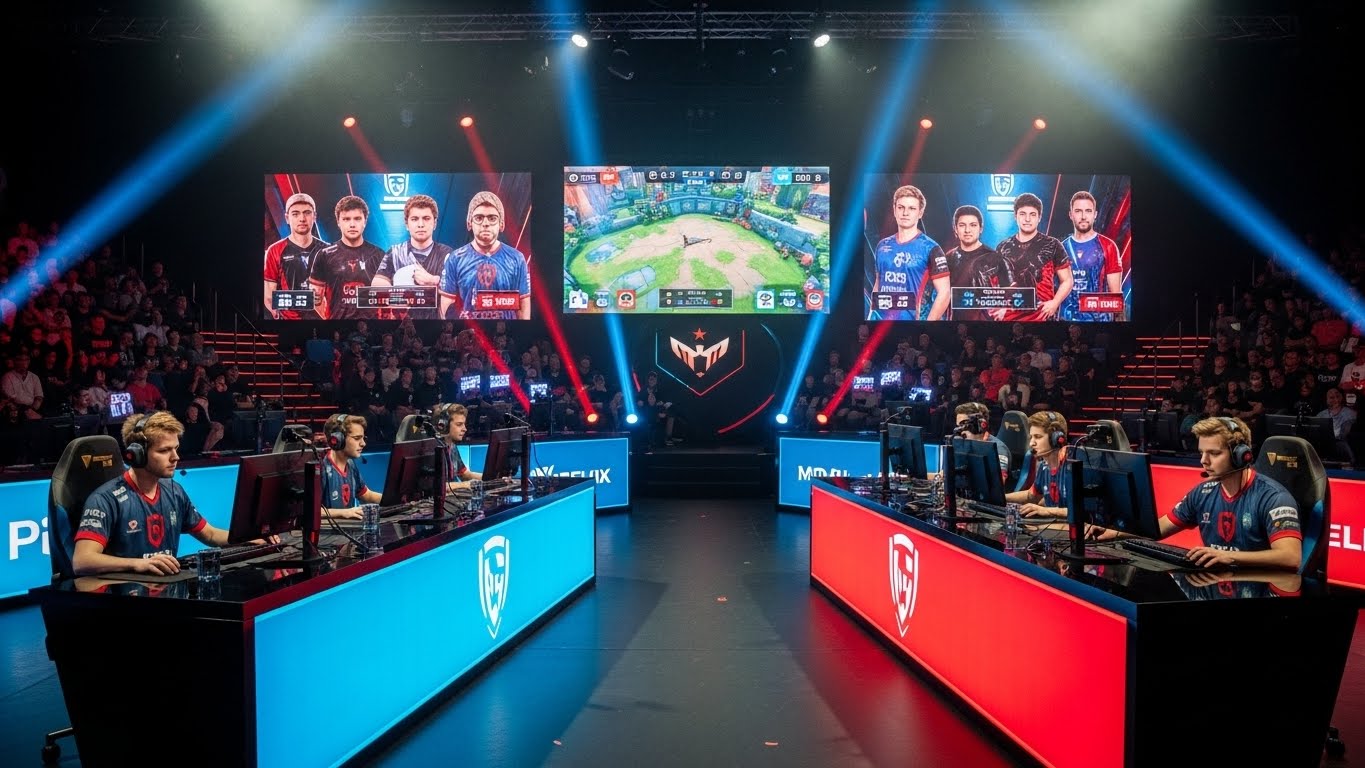
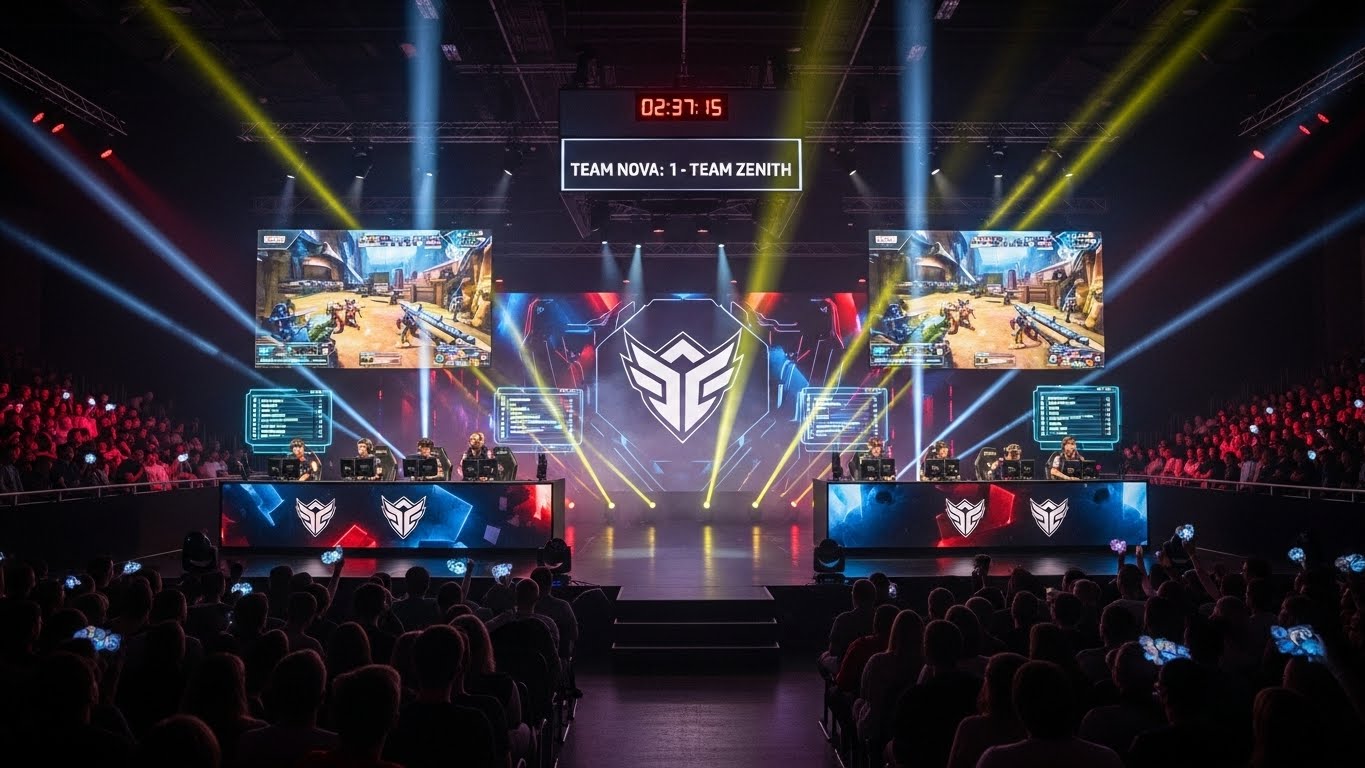
Over the last decade, esports has transitioned from niche events to mainstream global phenomena. Large-scale tournaments now fill arenas and stadiums with tens of thousands of spectators while millions more watch live streams online. Games like League of Legends, Dota 2, Fortnite, and Call of Duty have become household names, demonstrating the immense popularity and cultural influence of competitive gaming.
The Structure of Esports
Professional esports operates similarly to traditional sports, with players and teams organized into leagues, franchises, and tournaments. Teams often sign contracts with players, provide salaries, training facilities, and coaching, and compete in regional and international competitions. Major esports organizations manage multiple teams across different games, mirroring the structure of traditional sports clubs.
The tournament system is a critical aspect of esports. These competitions range from small online qualifiers to massive international championships with multi-million-dollar prize pools. Games like Dota 2 host annual tournaments that rival the prize money of established sports events, while League of Legends World Championship draws viewership numbers comparable to global sporting finals. This professional structure has legitimized esports as a serious career path, attracting top talent and investment.
Esports as a Career
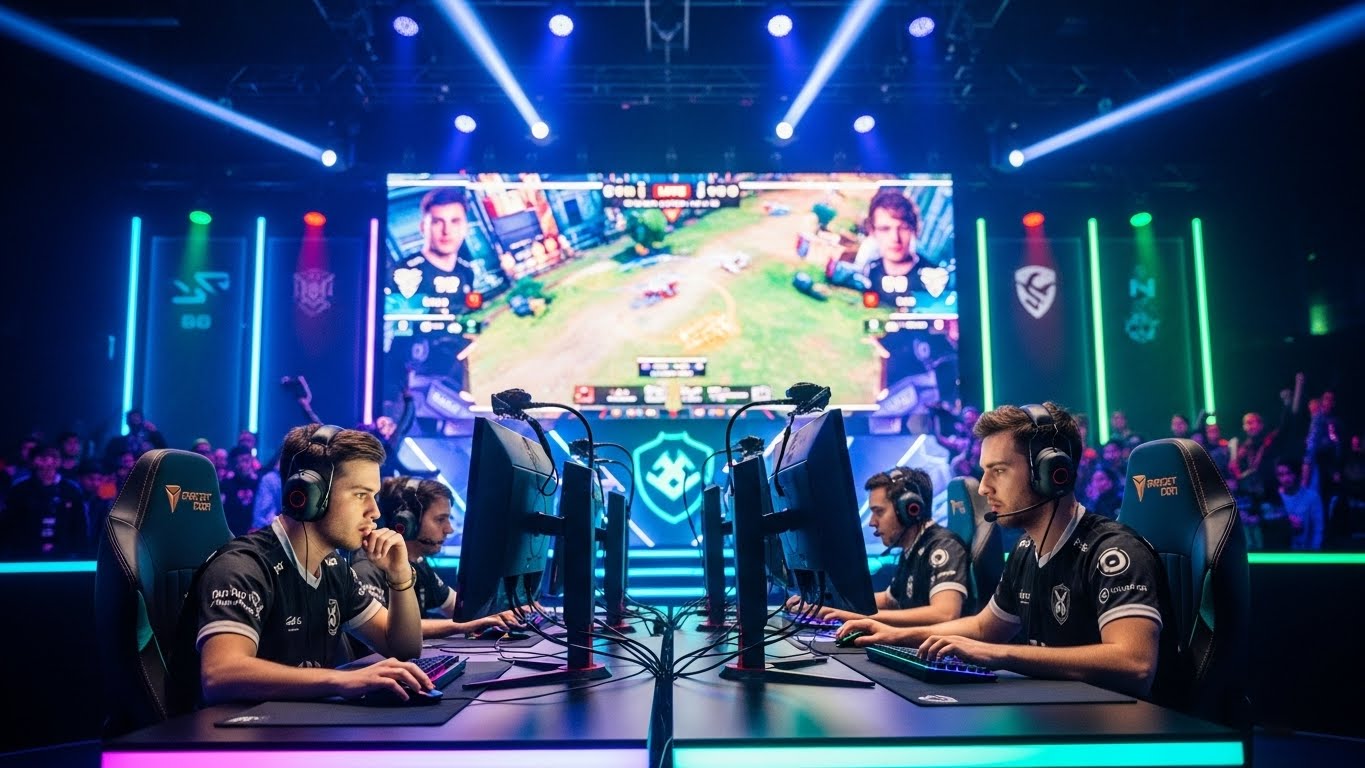
The rise of esports has opened up new career opportunities that extend beyond playing professionally. While top-tier players earn substantial salaries and endorsements, the industry also offers roles in coaching, analysis, event management, marketing, broadcasting, and game development. Professional gamers often start their journey at a young age, dedicating hours to practice, strategy development, and teamwork. Like traditional athletes, they follow strict schedules, undergo rigorous training, and work with coaches to improve their performance.
Esports careers also require a combination of technical skill, strategic thinking, and mental resilience. Competitive players must remain calm under pressure, make split-second decisions, and communicate effectively with teammates. The mental and physical discipline required is comparable to traditional sports, challenging the stereotype that gaming is purely recreational.
The Cultural Impact of Esports
Esports has significantly influenced modern culture, particularly among younger generations. Gaming conventions, live streaming platforms, and esports events have created global communities where fans can connect, share experiences, and celebrate their favorite players. Streaming platforms like Twitch and YouTube Gaming have transformed how fans consume content, offering real-time interaction and fostering a sense of belonging.
Esports also shapes fashion, music, and media trends. Professional teams have merchandise, jerseys, and branded gear, while players become influencers with millions of followers on social media. This cultural impact extends to mainstream entertainment, with esports references appearing in movies, television shows, and music videos. Competitive gaming is no longer an underground activity; it is a significant cultural force driving youth engagement and innovation.
The Economic Significance of Esports
The economic growth of esports has been staggering. The industry generates revenue through sponsorships, media rights, merchandise sales, ticketed events, and online streaming. Major brands across technology, energy drinks, apparel, and automotive sectors actively invest in esports partnerships, recognizing the potential to reach a younger, digitally engaged audience.
Esports also drives regional economic development. Hosting large-scale tournaments creates jobs, attracts tourism, and promotes infrastructure growth in cities around the world. Streaming platforms generate advertising revenue and provide opportunities for content creators to monetize their skills, contributing to the broader digital economy. The professionalization of esports has created a self-sustaining ecosystem that continues to expand rapidly, solidifying its status as a significant economic player.
Esports and Technology
Technology is at the core of esports’ growth. High-speed internet, advanced gaming hardware, and cloud-based platforms have enabled competitive gaming on a global scale. Game developers continuously update titles to enhance competitive balance, introduce new features, and engage the community. Additionally, innovations such as virtual reality, augmented reality, and AI-driven analytics are shaping the future of esports, providing immersive experiences and performance insights.
Streaming technology has also transformed how audiences interact with esports. Fans can watch live tournaments, chat with players, and participate in community discussions in real-time. This digital ecosystem allows esports to reach viewers worldwide, breaking down geographical barriers and creating an interconnected global audience.
Mental Health and Challenges in Esports
Despite its rapid growth, esports faces unique challenges, particularly regarding the health and well-being of players. Professional gamers often endure long hours of practice, intense competition, and travel, which can lead to physical strain, sleep deprivation, and mental fatigue. Eye strain, repetitive stress injuries, and poor posture are common issues among esports athletes.
Mental health is a growing concern in competitive gaming. Players face high-pressure environments, public scrutiny, and performance anxiety. Organizations are increasingly recognizing the importance of mental health support, offering counseling, stress management programs, and structured schedules to ensure players’ well-being. Addressing these challenges is critical for sustaining long-term growth and maintaining esports as a professional career option.
Diversity and Inclusion in Esports
Esports has the potential to be a more inclusive and diverse industry compared to traditional sports. Online gaming allows individuals from different backgrounds, genders, and regions to participate on a level playing field. However, challenges remain, particularly regarding gender representation and inclusivity. Female gamers and players from marginalized communities are often underrepresented in professional tournaments and face discrimination or harassment.
Promoting diversity in esports is essential for the industry’s long-term sustainability. Initiatives to support women’s leagues, mentorship programs, and anti-discrimination policies help create a more inclusive environment. As esports continues to grow, fostering diversity will be critical for innovation, community building, and global appeal.
The Future of Esports
The future of esports is bright, with continued growth in viewership, revenue, and mainstream recognition. Emerging technologies such as virtual reality, augmented reality, and AI-driven training tools will redefine competitive gaming, making it more immersive and accessible. Integration with traditional sports organizations, higher education programs, and global sponsorships will further legitimize esports as a professional pursuit.
Esports is also likely to expand its cultural and social influence. Community-driven initiatives, charitable tournaments, and educational programs demonstrate the potential of competitive gaming to drive positive social change. As the line between digital and real-world entertainment continues to blur, esports will become an integral part of the global entertainment landscape, shaping the next generation of athletes, creators, and innovators.
Conclusion: Esports as a Modern Phenomenon
Esports is no longer just a niche hobby; it has become a global cultural, economic, and technological phenomenon. It offers professional opportunities, fosters community engagement, and inspires innovation across multiple industries. The rise of competitive gaming highlights the changing nature of entertainment in the digital age, emphasizing skill, strategy, and global connectivity.
As esports continues to grow, it will face challenges related to health, inclusivity, and regulation. However, its transformative impact on culture, economy, and technology is undeniable. Competitive gaming represents the evolution of sports and entertainment, demonstrating that the future of athleticism and competition extends beyond traditional arenas into the digital world. Esports is a testament to human creativity, adaptability, and passion, proving that the games we play can shape the way we live, connect, and achieve greatness.