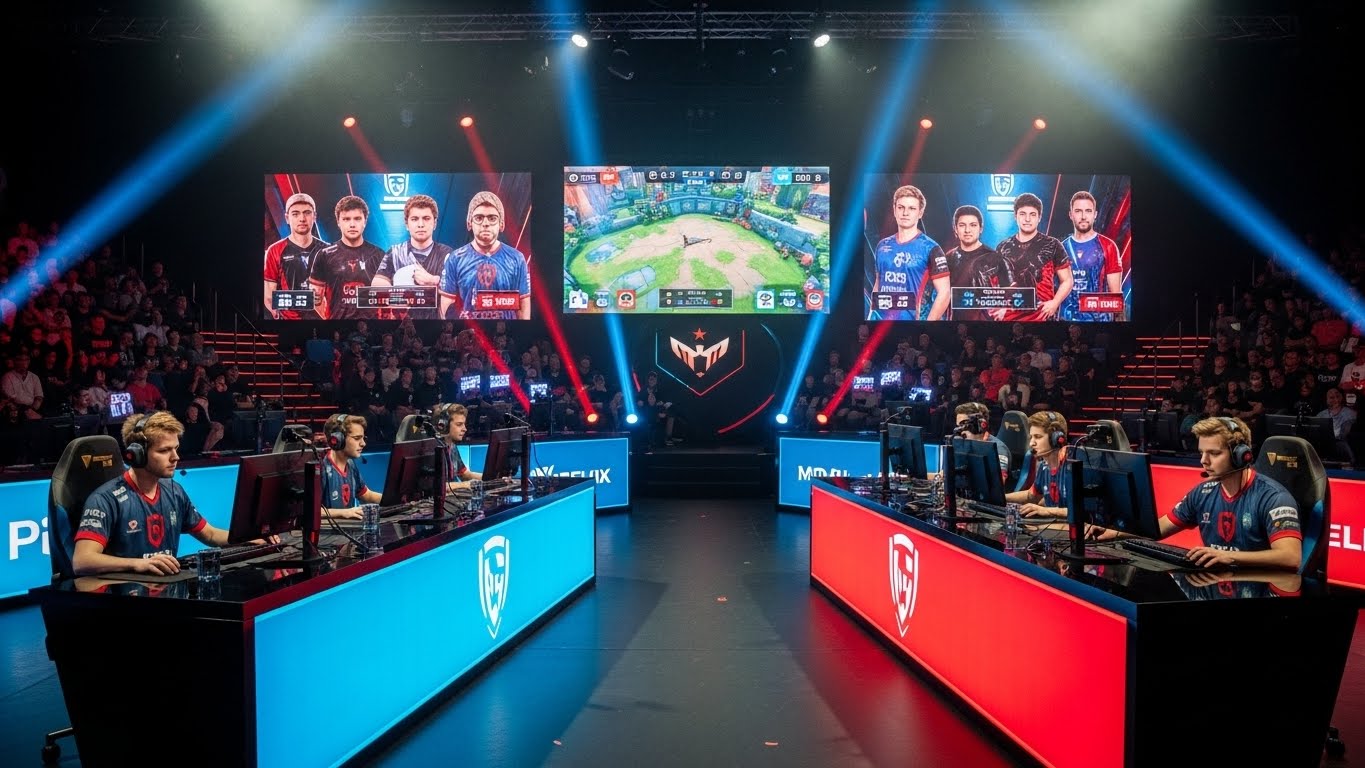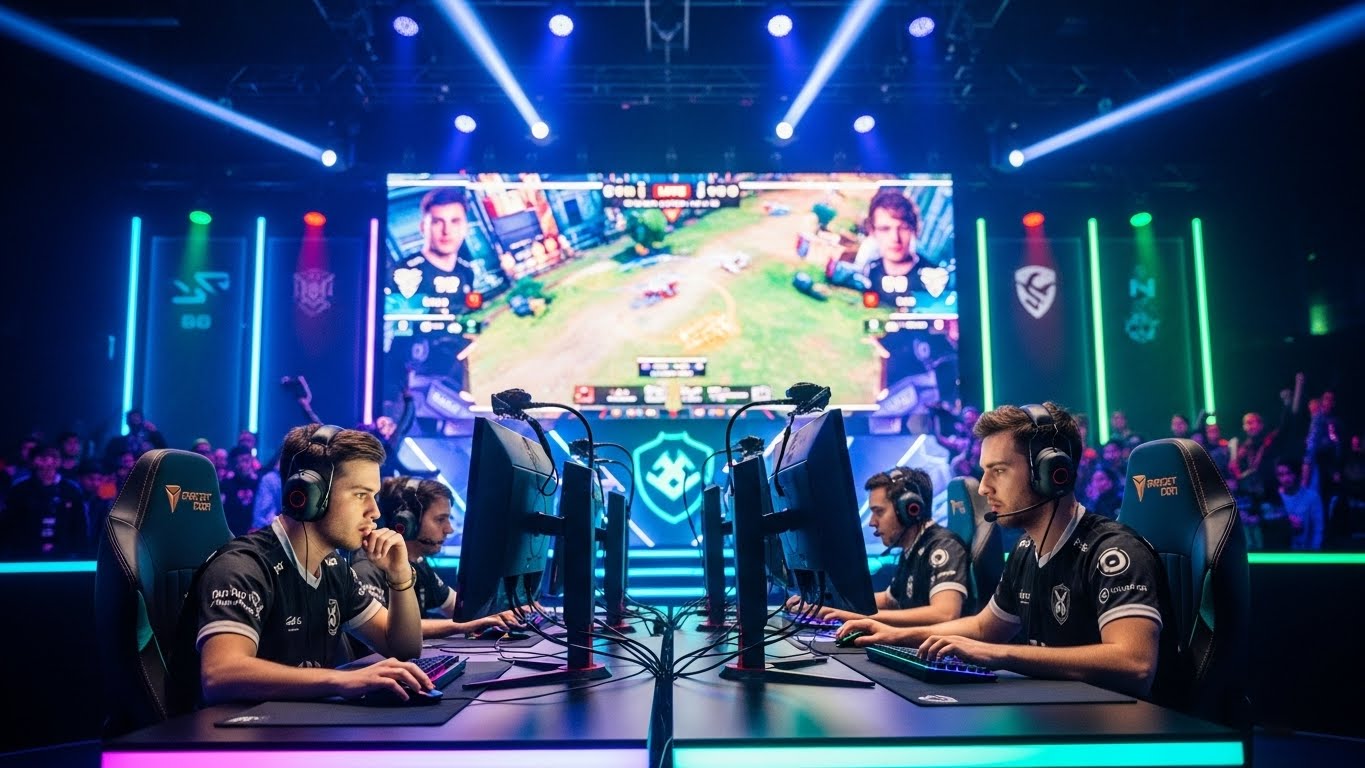
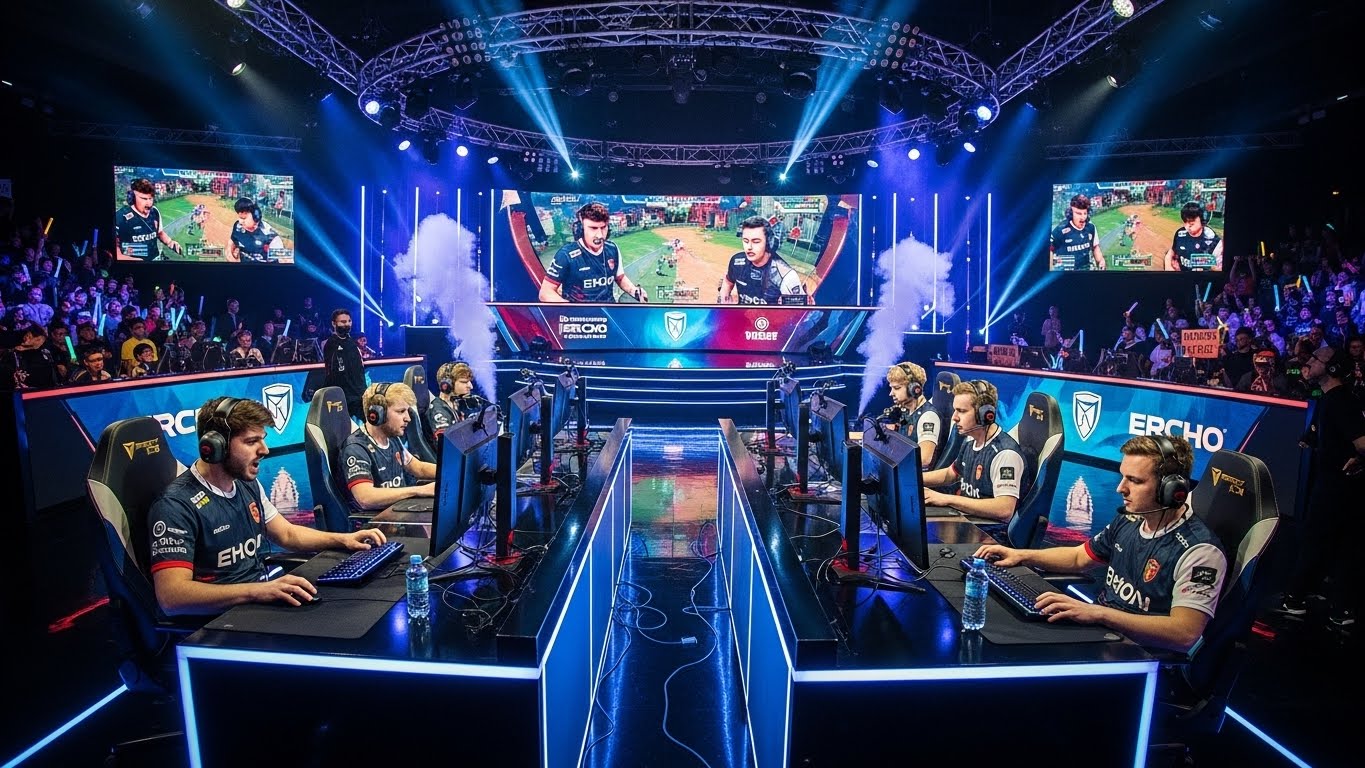
Esports has emerged as one of the most influential forms of competition and entertainment in the modern era. What began as casual gaming among friends has transformed into a structured, professional industry with global tournaments, dedicated fan bases, and elite athletes. Competitive gaming now stands alongside traditional sports, not as a replacement but as a powerful new expression of human skill, strategy, and innovation. This blog explores the journey of esports, its cultural and economic impact, and why it continues to shape the future of competition.
Understanding the Essence of Esports
Esports refers to organized competitive video gaming where individuals or teams compete in structured formats under official rules. Unlike casual gaming, esports demands intense practice, strategic thinking, fast reflexes, and mental resilience. Players specialize in specific games and roles, mastering complex mechanics and teamwork strategies to outperform opponents.
Esports competitions range from small online tournaments to massive international championships held in packed arenas. These events are watched by millions of spectators worldwide, turning gaming into a shared global experience. Esports is not just about playing games; it is about performance, preparation, and precision at the highest level.
The Early Foundations of Competitive Gaming
The roots of esports can be traced back to early arcade competitions and home console tournaments. As technology advanced, multiplayer games allowed players to compete beyond physical locations. The introduction of local area networks and online connectivity laid the groundwork for modern esports.
During the late 1990s and early 2000s, competitive gaming communities began organizing formal leagues and tournaments. Games that emphasized skill and strategy gained popularity, and dedicated players started gaining recognition. These early efforts built the foundation for today’s professional esports ecosystem, proving that gaming could be competitive, organized, and spectator-friendly.
Esports as a Professional Industry
The modern esports industry operates with professionalism comparable to traditional sports leagues. Professional teams sign players to contracts, provide training facilities, and employ coaching staff, analysts, and mental performance experts. Players follow structured schedules that include practice sessions, strategic reviews, and physical fitness routines.
Earnings in esports come from multiple sources, including tournament winnings, salaries, sponsorships, and content creation. While only a small percentage reach the top tier, the industry also supports careers in event production, broadcasting, marketing, design, and management. This broad professional ecosystem highlights esports as a sustainable and evolving industry.
Popular Game Genres in Esports
Esports includes a wide range of game genres, each offering unique competitive dynamics. Multiplayer online battle arena games focus on team coordination, map control, and tactical execution. First-person shooters emphasize accuracy, reaction speed, and strategic positioning. Real-time strategy games demand long-term planning and adaptability, while battle royale games combine survival instincts with mechanical skill.
This diversity allows esports to appeal to different audiences and skill sets. It also ensures continuous innovation, as developers update games and introduce new competitive formats. The variety within esports is one of its greatest strengths, keeping the industry dynamic and engaging.
The Global Esports Audience
One of the defining features of esports is its global reach. Fans from different countries, cultures, and backgrounds come together to watch competitions, support teams, and celebrate players. Live broadcasts, community discussions, and fan-created content make esports highly interactive and inclusive.
Major esports tournaments attract viewership numbers that rival traditional sporting events. Fans follow their favorite teams across seasons, analyze gameplay strategies, and engage deeply with the competitive scene. This level of engagement has helped esports develop strong fan loyalty and a sense of shared identity.
The Role of Technology in Competitive Gaming
Technology is the backbone of esports. High-performance hardware, responsive peripherals, and reliable connectivity are essential for fair competition. Advances in display technology, streaming quality, and game engines have improved both player performance and viewer experience.
Data analysis has become a crucial part of esports strategy. Teams study gameplay data to identify patterns, optimize tactics, and gain competitive advantages. Training tools powered by artificial intelligence help players refine skills and prepare for opponents. Technology continues to push the boundaries of what is possible in competitive gaming.
Esports and Youth Development
Esports has become deeply connected to youth culture, offering a platform for creativity, competition, and social interaction. Young players develop skills such as communication, problem-solving, adaptability, and leadership through team-based gaming. These skills extend beyond gaming and are valuable in academic and professional settings.
Educational institutions are increasingly recognizing esports as a legitimate extracurricular activity. School and university esports programs promote responsible gaming while encouraging teamwork and discipline. By integrating esports into education, institutions help bridge the gap between passion and purpose.
Physical and Mental Health in Esports
The demands of competitive gaming place both physical and mental strain on players. Long hours of practice can lead to issues such as eye fatigue, posture-related pain, and repetitive stress injuries. Mental challenges include performance anxiety, burnout, and pressure to maintain high rankings.
Professional esports organizations now prioritize player wellness. Physical exercise, mental health support, structured schedules, and rest periods are increasingly emphasized. A balanced approach ensures that players can perform at their best while maintaining long-term health and career longevity.
Inclusivity and Diversity in Esports
Esports has the potential to be one of the most inclusive competitive spaces. Success depends primarily on skill and strategy rather than physical characteristics. This opens opportunities for players of all genders, abilities, and backgrounds to compete on equal footing.
Efforts to promote diversity continue to grow within the esports community. Inclusive tournaments, development programs, and awareness initiatives aim to create safe and welcoming environments. As esports evolves, inclusivity will remain a critical factor in its global success.
Challenges Facing the Esports Ecosystem
Despite its growth, esports faces challenges that must be addressed. Issues such as inconsistent regulations, cheating, match manipulation, and online harassment threaten the integrity of competition. Financial sustainability is another concern, as organizations must balance investment with long-term profitability.
Addressing these challenges requires collaboration between developers, teams, organizers, and communities. Clear rules, ethical standards, and player protections are essential to maintaining trust and credibility within the industry.
The Future of Esports Competition
The future of esports is marked by innovation and expansion. Emerging technologies such as virtual reality and cloud-based gaming are expected to redefine competitive experiences. New game titles and formats will continue to attract fresh audiences and players.
Esports is also becoming more integrated into mainstream culture, with increased recognition from educational institutions, media, and governments. This growing acceptance solidifies esports as a lasting and influential form of competition rather than a passing trend.
Conclusion: Esports as the New Frontier of Sport
Esports represents a powerful evolution of competition in the digital age. It combines skill, strategy, teamwork, and technology into a global spectacle that continues to captivate millions. Beyond entertainment, esports offers career opportunities, community connections, and personal growth for players and fans alike.
As esports continues to mature, it challenges traditional definitions of sport and competition. It proves that dedication, discipline, and excellence can thrive in virtual arenas just as powerfully as in physical ones. Esports is not simply the future of gaming; it is a defining force in the future of global sports culture.