Esports has rapidly grown from a small corner of gaming culture into one of the fastest-expanding entertainment industries in the world. What was once seen as a pastime has evolved into a professional, structured, and globally celebrated competitive field. Today, esports attracts millions of viewers, thousands of players, and massive investments, reshaping how people understand competition, entertainment, and digital culture. This blog explores the fascinating rise of esports, its inner workings, the skills behind the players, its cultural impact, the challenges it faces, and the bright future ahead.
The Early Foundations of Esports
The origins of esports date back to the earliest days of gaming, when players competed for high scores on arcade machines. Early competitions involved classic titles where players battled for top leaderboard positions. As technology advanced, so did the concept of competitive gaming. The introduction of home consoles and PCs allowed players to challenge one another in more complex environments.
The true foundation of esports emerged with the rise of multiplayer games in the 1990s. Titles like Quake, StarCraft, and Counter-Strike revolutionized gaming by offering players the chance to compete online. Organized tournaments began to appear, attracting dedicated participants from around the world. These early competitions set the stage for the professional esports ecosystem we see today.
The Rise of Esports as a Mainstream Phenomenon
Esports’ growth into mainstream culture accelerated during the 2000s and exploded in the 2010s. Advancements in internet technology allowed millions of people to play online seamlessly. Improved hardware enabled more sophisticated games with deeper mechanics. Social platforms made it easier for fans to connect with communities and follow their favorite players.
One of the key moments in esports history was the rise of live streaming. The ability to broadcast gameplay transformed esports into a spectator sport. Fans who once watched only traditional sports now spent hours watching competitive matches, expert commentary, and live events. Esports became accessible to anyone with an internet connection, creating a global audience.
Why Esports Captures Worldwide Attention
There are many reasons why esports has become such a large and devoted phenomenon. One of the biggest advantages is accessibility. Unlike traditional sports that require extensive equipment or physical facilities, esports can be played anywhere as long as someone has a device and an internet connection. This opens the door to millions of aspiring competitors, regardless of their location or economic background.
Another reason is diversity. Esports is not limited to one style of gameplay. There are genres for nearly every type of player: shooters, strategy games, fighting games, battle royales, sports simulations, and more. The variety keeps the esports scene dynamic and constantly evolving.
Additionally, esports creates strong social communities. Players and fans form friendships, exchange strategies, and build fandoms around teams and players. This sense of belonging motivates people to stay connected and emotionally invested. The thrill of real-time decision making, unpredictable outcomes, and intense competition keeps viewers engaged for hours.
The Structure of Professional Esports
Esports operates with the same formality and dedication as traditional sports. Professional teams are organized with coaches, trainers, analysts, team managers, and support staff. Many teams have established training facilities where players practice daily, analyze gameplay footage, and prepare for tournaments.
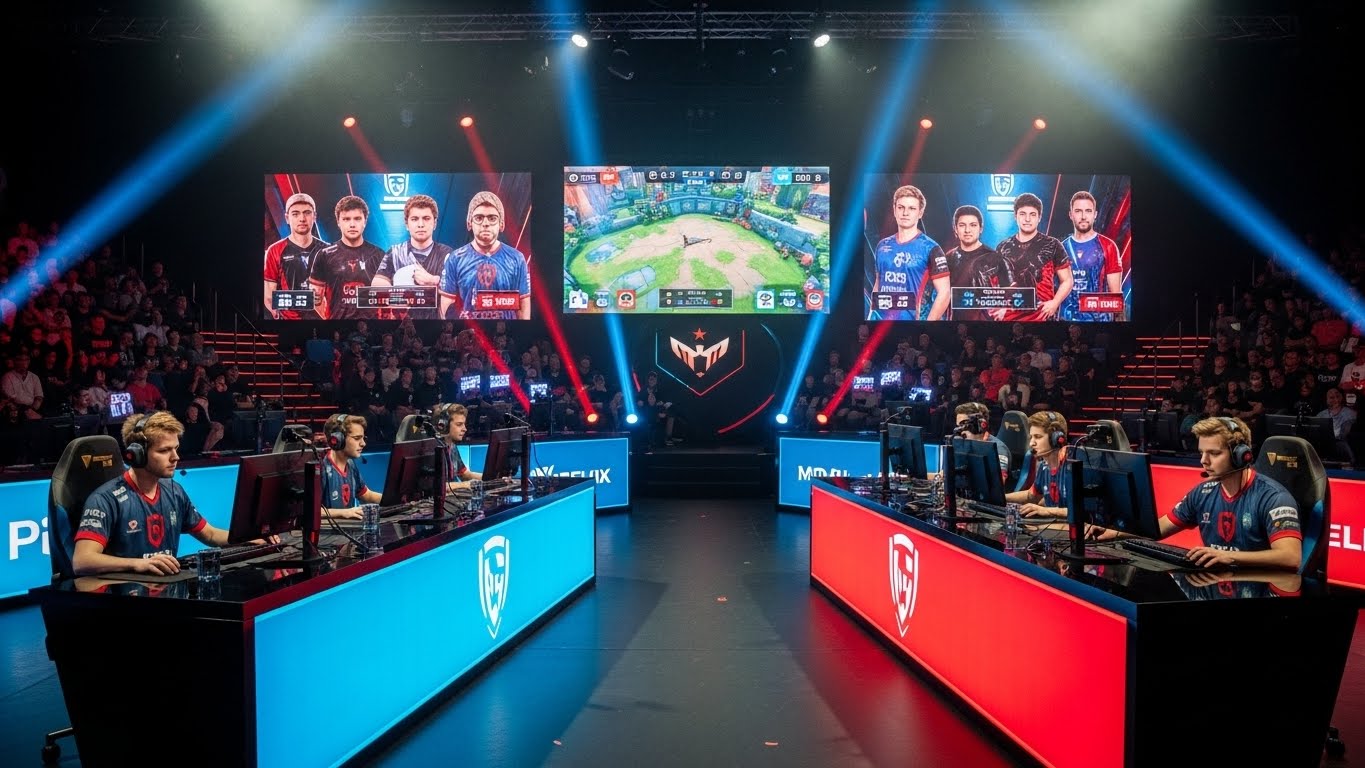
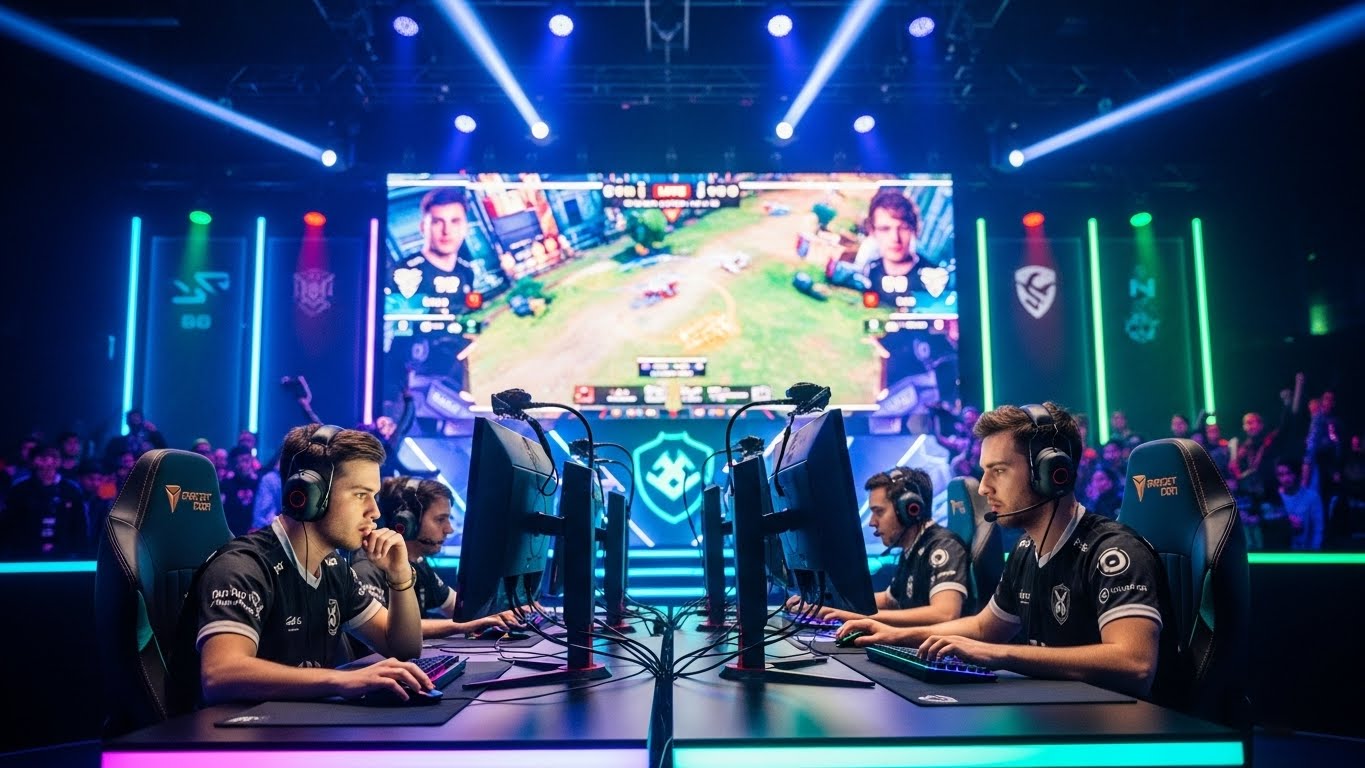
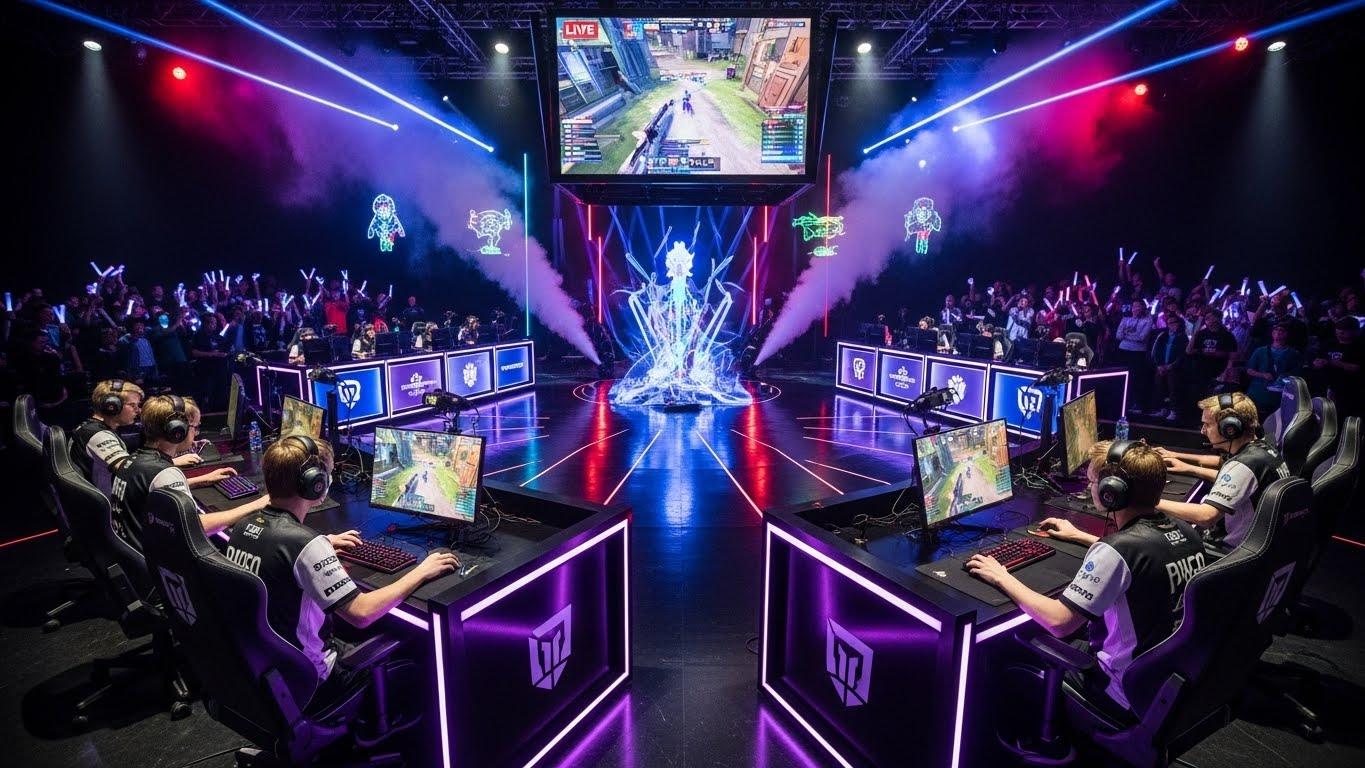
Players who join professional organizations sign contracts, receive salaries, and often compete in global leagues with seasonal schedules. Major competitions resemble sporting events, featuring crowds, commentary teams, stage lighting, and elaborate production setups. Some tournaments fill arenas and attract millions of viewers online.
Coaches help players refine strategies, improve communication, and develop game-specific knowledge. Analysts examine data to create insights about opponents’ habits and weaknesses. This level of structure has transformed esports into a respected global industry.
The Skill Set of Elite Esports Players
Professional esports players are often misunderstood as people who simply “play games all day.” However, the reality is that elite competitors develop a sophisticated and demanding skill set through years of training and practice.
One of the most important abilities is strategic thinking. Many esports titles require deep planning, quick problem-solving, and the ability to read opponents effectively. Players must constantly analyze their surroundings, anticipate enemy actions, and decide how to respond within fractions of a second.
Reflexes and precision are equally important. High-level gameplay demands quick reactions and accurate movements. A single mistake can change the outcome of a match, making focus and coordination essential.
Communication and teamwork play a major role as well, especially in games where players must coordinate their actions with teammates. Strong collaboration can be the difference between victory and defeat. Mental endurance is also crucial, as tournaments often involve long hours, high pressure, and emotional intensity.
The Business of Esports and Economic Influence
The esports industry has grown into a multi-billion-dollar market driven by tournaments, advertising, sponsorships, merchandise, and media rights. Companies recognize the enormous potential of esports and invest heavily in teams, events, and technology.
Brands collaborate with esports teams to reach young, engaged audiences. Technology companies provide gaming equipment, energy drink companies sponsor tournaments, and even fashion brands partner with esports organizations to design exclusive merchandise.
Media coverage of esports has also expanded, with broadcasts becoming more polished, informative, and exciting. Tournament prize pools continue to grow, offering players the chance to compete for life-changing earnings. Many professional gamers also supplement their income by creating content, coaching, or streaming, making esports a sustainable career path.
Technology Shaping the Future of Esports
Technology plays a central role in the growth and innovation of esports. High-speed connections allow players worldwide to compete without delays. Advanced gaming platforms provide smoother gameplay and better graphics.
Emerging technologies like artificial intelligence are being used to analyze player behavior and help teams improve their performance. Virtual reality and augmented reality are poised to create entirely new kinds of competitive experiences. Cloud gaming may make esports even more accessible, eliminating the need for expensive hardware.
Broadcasting technology is also evolving, enhancing the viewer experience with detailed visuals, instant replays, expert commentary, and innovative camera angles. As technology continues to advance, esports will continue to elevate its entertainment value.
Esports as a Cultural Movement
Esports is more than a competitive hobby; it has become a cultural phenomenon that influences fashion, language, and social identity. Fans create art, memes, and online content based on their favorite players and teams. Esports athletes appear in commercials, interviews, and brand campaigns, achieving mainstream recognition.
Younger generations, in particular, feel connected to esports because it reflects their digital lifestyles. Many schools and universities have esports teams, clubs, and educational programs, recognizing competitive gaming as a legitimate and valuable pursuit.
Esports creates international communities that break down cultural barriers. Players from different countries compete, collaborate, and celebrate together. This global interaction promotes cultural exchange and helps build friendships across borders.
Challenges Facing the Esports Industry
Despite its tremendous growth, esports faces several challenges that must be addressed for the industry to remain healthy and sustainable.
One significant challenge is player health. Long hours of intense practice can lead to physical strain, poor posture, eye fatigue, and stress. Esports organizations are increasingly introducing wellness programs that include exercise, breaks, mental health support, and healthier training schedules.
Another challenge is maintaining fair play. Cheating, hacking, and match-fixing threaten the integrity of esports. Developers implement security systems and anti-cheat technology to protect competitive fairness, but constant vigilance is required.
Diversity and inclusion also remain important issues. Women and marginalized groups often face barriers and toxic behavior within gaming communities. The industry must promote safe environments and equal opportunities to ensure esports is open to everyone.
The Promising Future of Esports
The future of esports looks incredibly bright. As technology advances, esports will become even more immersive, innovative, and accessible. Global tournaments will continue to attract larger audiences, and new regions will join the competitive scene.
Schools and universities will expand their esports programs, creating educational pathways for future analysts, coaches, developers, and managers. Traditional sports organizations will continue partnering with esports teams, creating exciting crossover opportunities.
Esports may even become part of future global sporting events, further solidifying its place in mainstream culture. With increasing investments, growing communities, and a continued drive for innovation, esports will remain a major force in global entertainment.
Conclusion: Esports and the New Age of Competition
Esports represents a powerful shift in how society views competition, skill, and digital culture. It brings people together, creates opportunities, and highlights the incredible abilities of players worldwide. From its grassroots origins to massive international tournaments, esports has become a cornerstone of modern entertainment.
As it continues to grow, esports will inspire new generations, build global connections, and shape the future of competitive activities. The digital arena has opened, and the world is ready to watch, compete, and celebrate the rise of this extraordinary phenomenon.