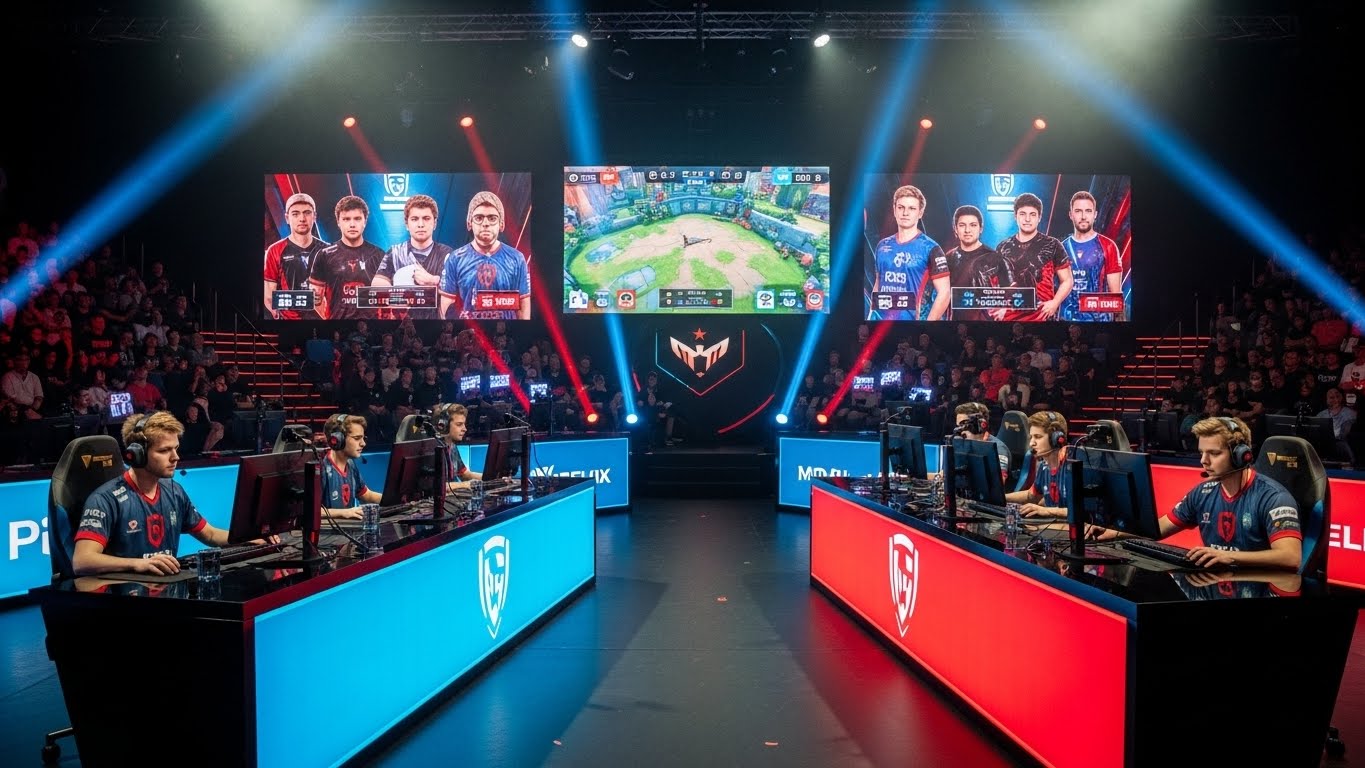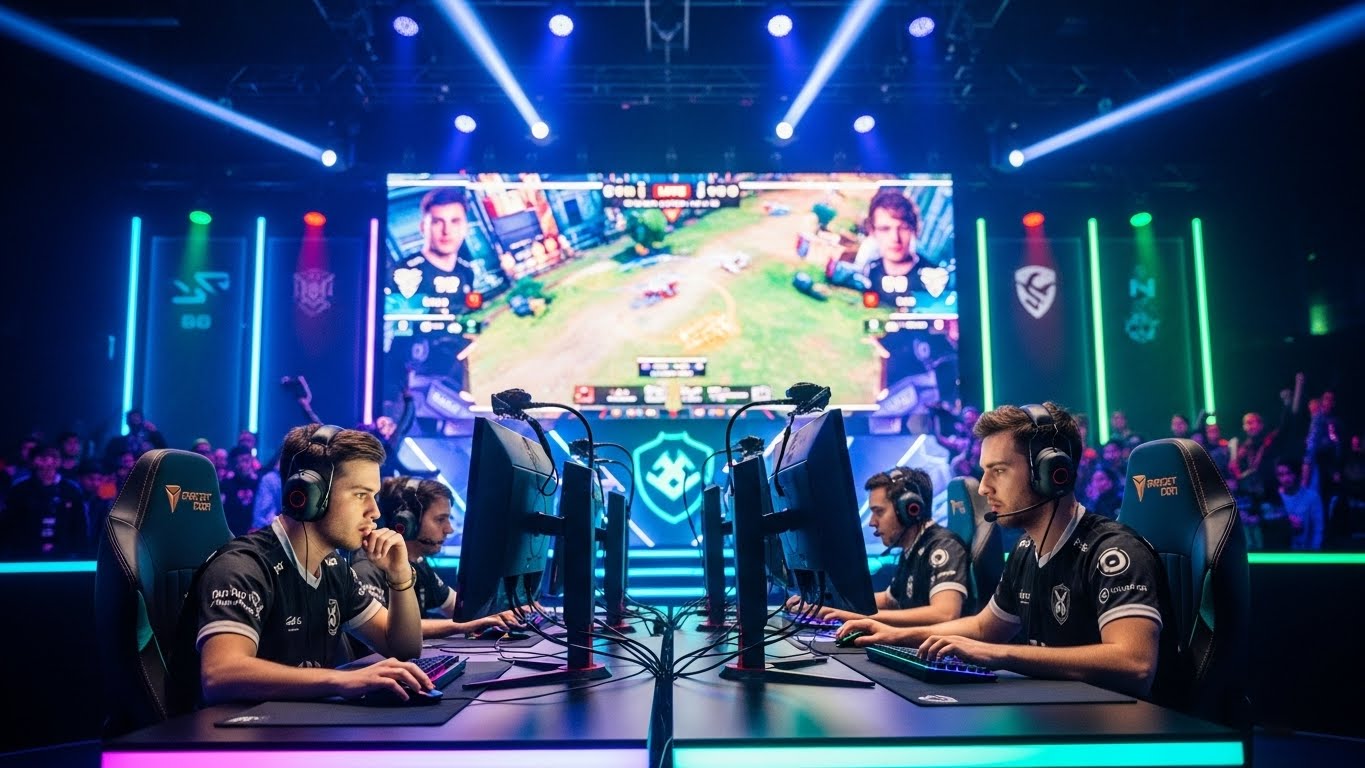
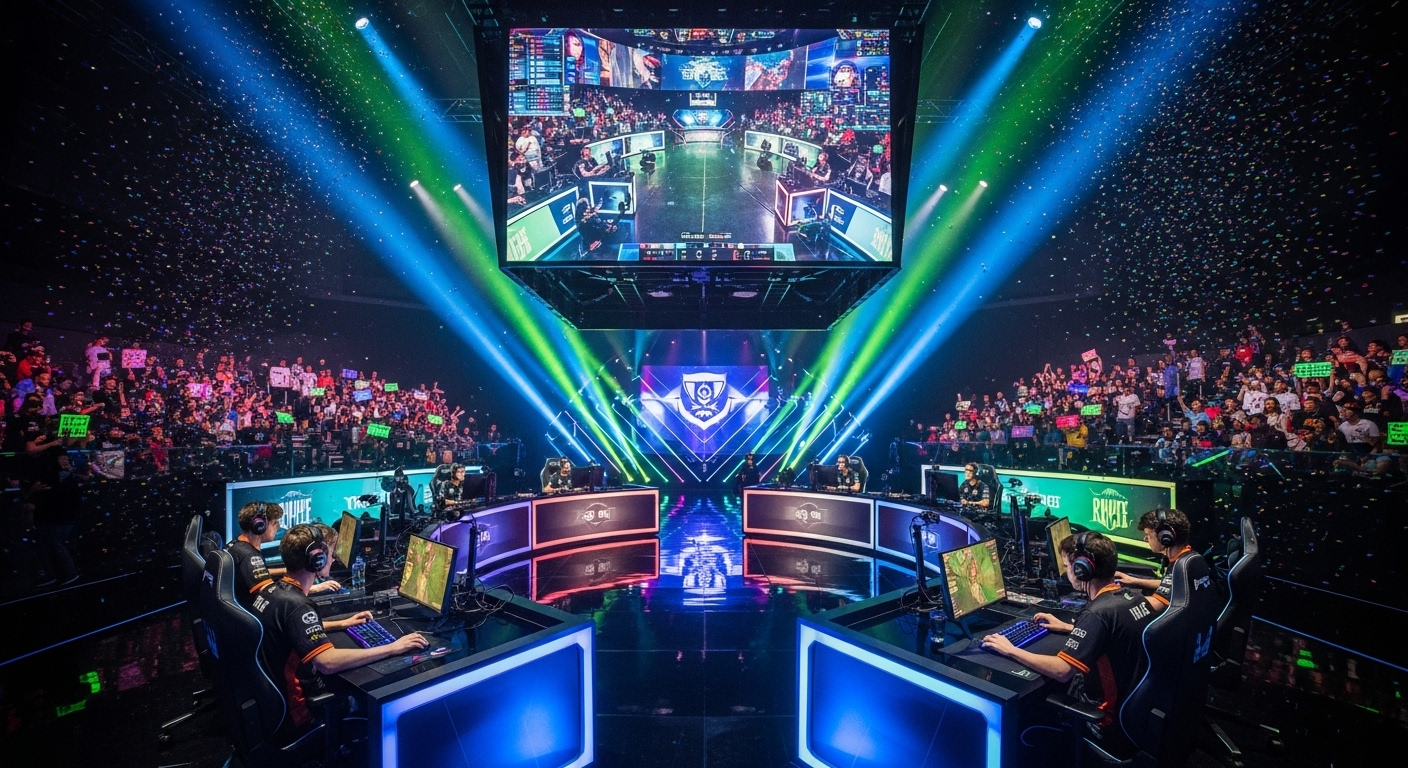
Esports has come a long way from its humble beginnings as a niche hobby to a global phenomenon with millions of fans and participants. Today, competitive gaming is one of the fastest-growing industries in the entertainment world. From local tournaments to multi-million-dollar international events, esports has captured the attention of not just gamers but also brands, investors, and even traditional sports organizations.
This blog post delves into the world of esports, exploring its origins, the rise of competitive gaming, the impact of technology, and the massive cultural shift that has made esports a mainstay of modern entertainment.
The Origins of Esports: From Arcade Competitions to Professional Tournaments
Esports, or electronic sports, refers to organized, multiplayer video game competitions, particularly between professional players, individually or as teams. While it seems like a modern-day concept, competitive gaming dates back to the 1970s and 1980s, when arcade games first became popular.
The Early Days of Competitive Gaming
The first recognized esports competition took place in 1972 at Stanford University, where a tournament called the “Intergalactic Spacewar Olympics” was held for the game Spacewar, a simple arcade title that was a pioneer of early competitive play. This event, though small in scale, laid the groundwork for the competitive gaming scene.
In the 1980s, as arcade games like Pac-Man, Space Invaders, and Donkey Kong gained massive popularity, informal tournaments began to crop up in various arcades. These competitions were localized, often held in gaming arcades, and were characterized by players competing for high scores rather than the structured, team-based formats we see today. The growth of these events laid the foundation for the larger, organized esports competitions that followed.
The Birth of Online Esports
The real transformation of esports began with the development of personal computers and, more importantly, the internet. In the 1990s, the rise of PC gaming allowed players to connect over local area networks (LANs) and, eventually, the internet. This led to the first wave of online multiplayer games, such as Quake (1996), StarCraft (1998), and Counter-Strike (1999), which became the cornerstone of early esports tournaments.
One of the most notable events in this era was the World Cyber Games (WCG), established in 2000. The WCG is often considered one of the first truly international esports competitions, with players from around the world coming together to compete in games like StarCraft and Warcraft III. This event showcased the potential of esports as a global phenomenon, attracting sponsors, media coverage, and a growing fanbase.
The Explosion of Esports: From Hobby to Industry
Esports truly exploded in the 2010s, thanks to the advent of live streaming, the rise of online multiplayer games, and the involvement of big corporations and professional athletes. The growth of digital platforms like Twitch, YouTube Gaming, and others allowed players and teams to reach a wider audience than ever before.
The Role of Streaming Platforms
Streaming platforms like Twitch and YouTube Gaming have played an integral role in the rise of esports. Twitch, launched in 2011, revolutionized the way people consume gaming content. It allowed professional gamers, amateurs, and teams to broadcast their gameplay in real-time, building an audience through entertainment and competition. This shift made gaming more than just a passive activity—it became a spectator sport. Viewers could now tune in to watch professional players compete, learn strategies, or simply enjoy the spectacle of high-level gaming.
By the mid-2010s, Twitch had become the primary platform for esports content, broadcasting everything from casual streams to the biggest esports tournaments. The ability to watch live, comment on matches, and engage with communities helped foster a deeper connection between gamers and their audiences.
Big Brands and Sponsorships
As esports grew, so did its commercial appeal. Major brands, ranging from tech companies to soft drinks, began to see the potential in associating themselves with esports. Companies like Intel, Coca-Cola, Red Bull, and Razer started sponsoring esports events, teams, and players, helping to push the industry into the mainstream. The influx of sponsorship money meant that esports tournaments could offer larger prize pools, professional teams could afford better facilities, and players could make a living from their competitive gaming careers.
The Growth of Esports Tournaments and Leagues
Another major factor in the growth of esports has been the development of professional leagues and tournaments. Games like League of Legends, Dota 2, Counter-Strike: Global Offensive, Overwatch, and Fortnite have become central to the esports landscape, each offering their own competitive ecosystem with annual tournaments, player drafts, and team sponsorships.
The League of Legends World Championship, often referred to as Worlds, is one of the most watched esports events globally, attracting millions of viewers each year. With a prize pool reaching millions of dollars, this event has become a massive spectacle that rivals traditional sports events in terms of viewership and media attention.
Similarly, The International for Dota 2, which began in 2011, has grown into one of the largest esports tournaments in terms of prize money. The 2021 edition had a prize pool of over $40 million, funded largely by the community through in-game purchases, showcasing how deeply integrated esports is with both the gaming community and the corporate world.
Esports and Its Cultural Impact
Esports has fundamentally changed the way we view gaming. What was once seen as a solitary, niche activity is now part of the global mainstream. Gaming culture has evolved, with esports becoming a platform for personal achievement, community-building, and even career growth.
The Rise of Professional Gamers
In the past, competitive gaming was viewed more as a hobby or pastime. Today, however, gaming has become a legitimate career path for many talented players. Professional gamers earn substantial incomes from sponsorships, tournament winnings, and streaming platforms. Some of the best players in the world are treated like celebrities, with their own fanbases, social media followings, and endorsement deals.
The rise of esports has led to the creation of professional gaming organizations and teams, akin to traditional sports teams. These organizations often employ coaches, analysts, and even psychologists to help players optimize their performance. The level of professionalism in esports has elevated the industry and made it an attractive option for young people looking to turn their passion for gaming into a career.
The Social Aspect of Esports
Esports has also fostered a sense of community that goes beyond competitive play. Fans of esports teams and players often form their own communities, where they can interact, share content, and cheer on their favorite players. Social media platforms like Twitter, Reddit, and Discord have become essential tools for building fanbases and creating connections among gamers worldwide.
Many esports organizations are not only focused on the players’ competitive success but also on community engagement and content creation. Some teams have dedicated social media teams that produce behind-the-scenes footage, interviews, and tutorials, giving fans an intimate look into the lives of their favorite gamers.
Diversity and Inclusion in Esports
One of the more recent developments in esports is the growing focus on diversity and inclusion. As the industry has expanded, there has been increasing attention to gender equality, representation, and opportunities for all players, regardless of background. Initiatives like The Game Awards and Women in Esports events have helped bring attention to the contributions of women and minorities in the esports scene.
While esports has traditionally been male-dominated, more women are stepping into competitive gaming roles, and female players are now participating in high-level tournaments. Esports organizations are also making a concerted effort to create more inclusive spaces for players of all backgrounds, ensuring that the community is welcoming to everyone.
The Future of Esports: What’s Next?
Looking ahead, the future of esports appears brighter than ever. As technology continues to advance, we can expect even more immersive and exciting experiences for both players and spectators.
The Role of Virtual Reality and Augmented Reality
Virtual reality (VR) and augmented reality (AR) are emerging technologies that could revolutionize the way we experience esports. VR has the potential to create fully immersive gaming environments, where players compete in virtual spaces and viewers can watch events as if they were physically present at the venue. AR, on the other hand, could be used to enhance the spectator experience by overlaying real-time data, player stats, and in-game elements onto the live broadcast.
While VR and AR in esports are still in their early stages, the potential for these technologies to reshape the industry is immense. As VR and AR headsets become more affordable and accessible, we can expect esports events to become more interactive and immersive, taking gaming to an entirely new level.
Integration with Traditional Sports
Another potential future for esports lies in its integration with traditional sports. We’re already seeing some crossover, with organizations like the NBA and NFL launching esports leagues tied to their traditional sports. The NBA 2K League, for example, is a professional esports league based on the NBA 2K video game series, where players compete in virtual basketball tournaments. Similarly, FIFA and other sports games have gained traction as competitive esports titles.
This integration could lead to further mainstream acceptance of esports, as traditional sports fans start to appreciate the skill and competition involved in video game tournaments. We may even see hybrid events that combine both traditional and esports elements, creating new forms of entertainment that blend the best of both worlds.
Global Growth and Regional Tournaments
Esports will continue to grow globally, with regional tournaments becoming more prominent. As esports spreads to different regions, we can expect more diverse competitions and greater representation from countries around the world. The rise of esports in regions such as Southeast Asia, South America, and Africa is opening up new markets and providing opportunities for players from all walks