Esports, or competitive video gaming, has undergone a meteoric rise in the last few decades, transforming from a niche hobby into a billion-dollar industry. Once seen as a pastime for a small group of dedicated players, esports has evolved into a global phenomenon, with millions of fans, professional players, and organizations shaping the landscape. But how did esports go from being a fringe activity to becoming a mainstream form of entertainment? In this blog post, we’ll explore the journey of esports, its growth, its challenges, and its future.
What Exactly is Esports?
Esports refers to organized, multiplayer video game competitions, particularly between professional players, individually or as teams. These games range from real-time strategy games like StarCraft to first-person shooters such as Counter-Strike and Call of Duty, and even to battle royale games like Fortnite and PUBG.
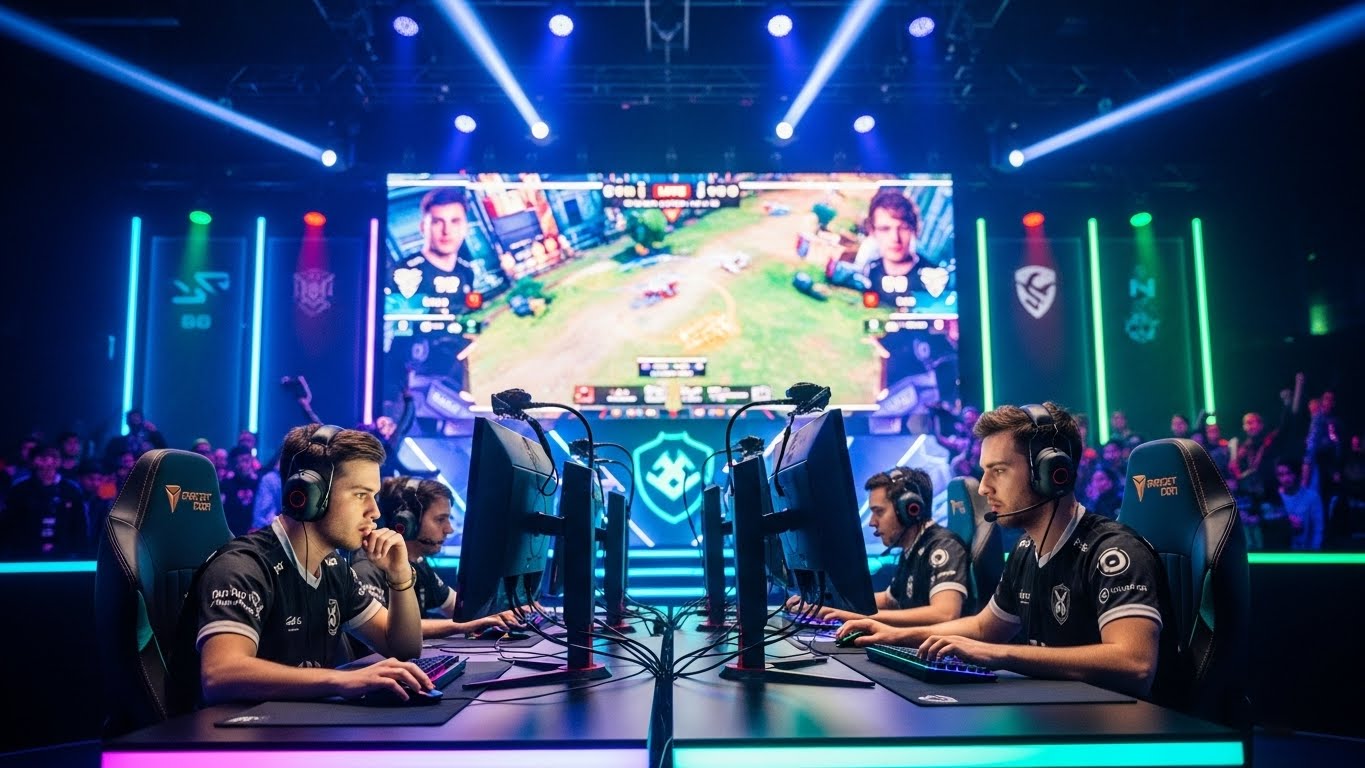
Esports is distinct from casual gaming due to its emphasis on competition, skill, and professional organization. While casual gamers may play for fun, esports players train rigorously, often dedicating hours every day to improving their skills. This competitive edge, combined with advanced technology and a growing global community, has catapulted esports into the spotlight.
The Origins of Esports
Though esports as we know it today is a relatively new phenomenon, competitive gaming has a long history. One of the first known esports events took place in 1972 at Stanford University, where players competed in Spacewar, one of the earliest arcade games. This competition is often cited as the precursor to today’s esports scene.
Fast forward to the 1990s, and multiplayer games began to gain traction, particularly with the advent of online gaming. Games like Quake and StarCraft sparked the competitive gaming community, and tournaments started to form in small pockets around the world. The rise of LAN (Local Area Network) parties—gatherings where players would connect their computers to compete against one another—played a crucial role in cultivating the competitive spirit that would eventually lead to professional esports.
However, it wasn’t until the 2000s that esports began to take shape as a global industry. The introduction of online platforms like Battle.net (for Blizzard games) and the growth of online multiplayer experiences provided a framework for large-scale competitions. At the same time, Asia, particularly South Korea, began to nurture the esports scene. In 2000, StarCraft became an overnight sensation, leading to televised tournaments and the establishment of professional teams in South Korea. This period marked the beginning of esports as a legitimate career path for gamers.
The Global Growth of Esports
In the 2010s, esports exploded onto the global stage. With the advent of streaming platforms like Twitch and YouTube Gaming, fans could watch live tournaments from anywhere in the world. These platforms allowed players to build massive followings and for fans to engage with their favorite teams and players directly. The ability to watch professional esports tournaments in real time contributed immensely to the expansion of the industry.
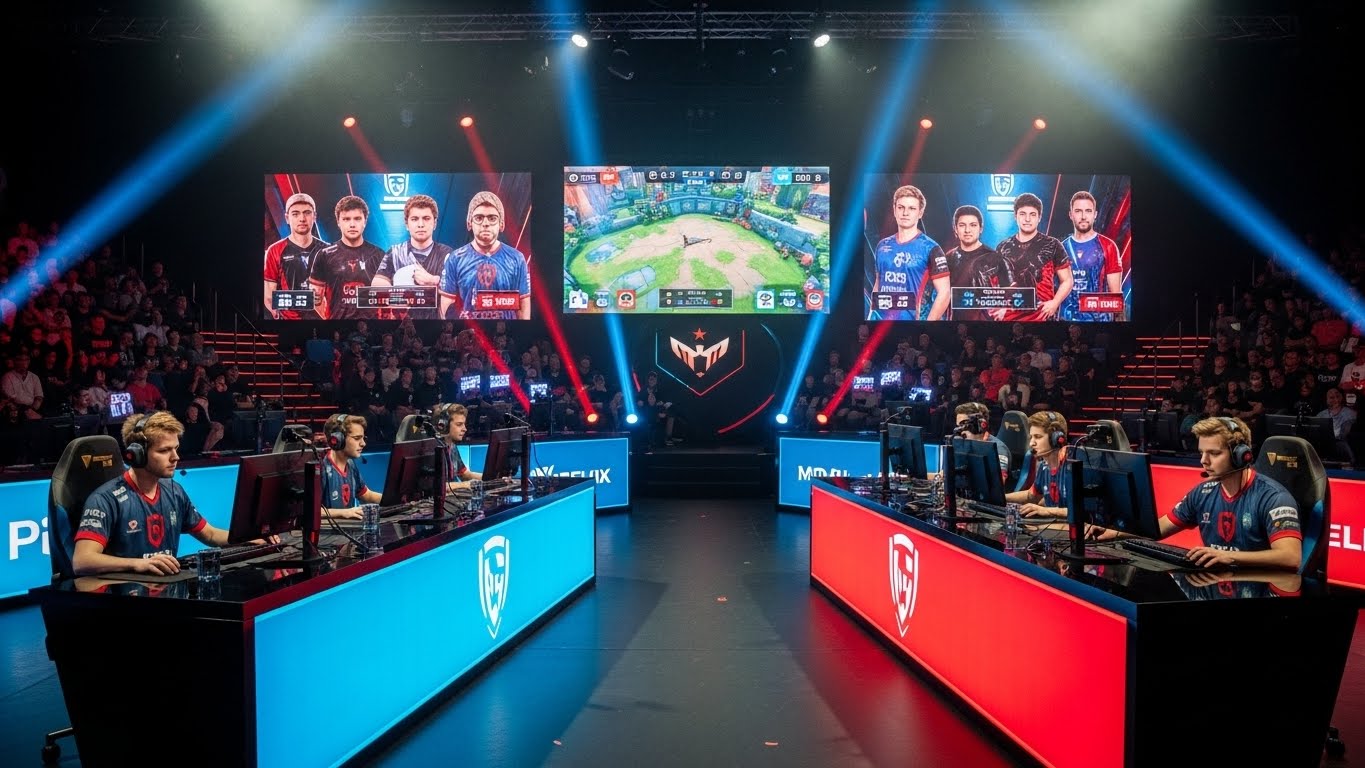
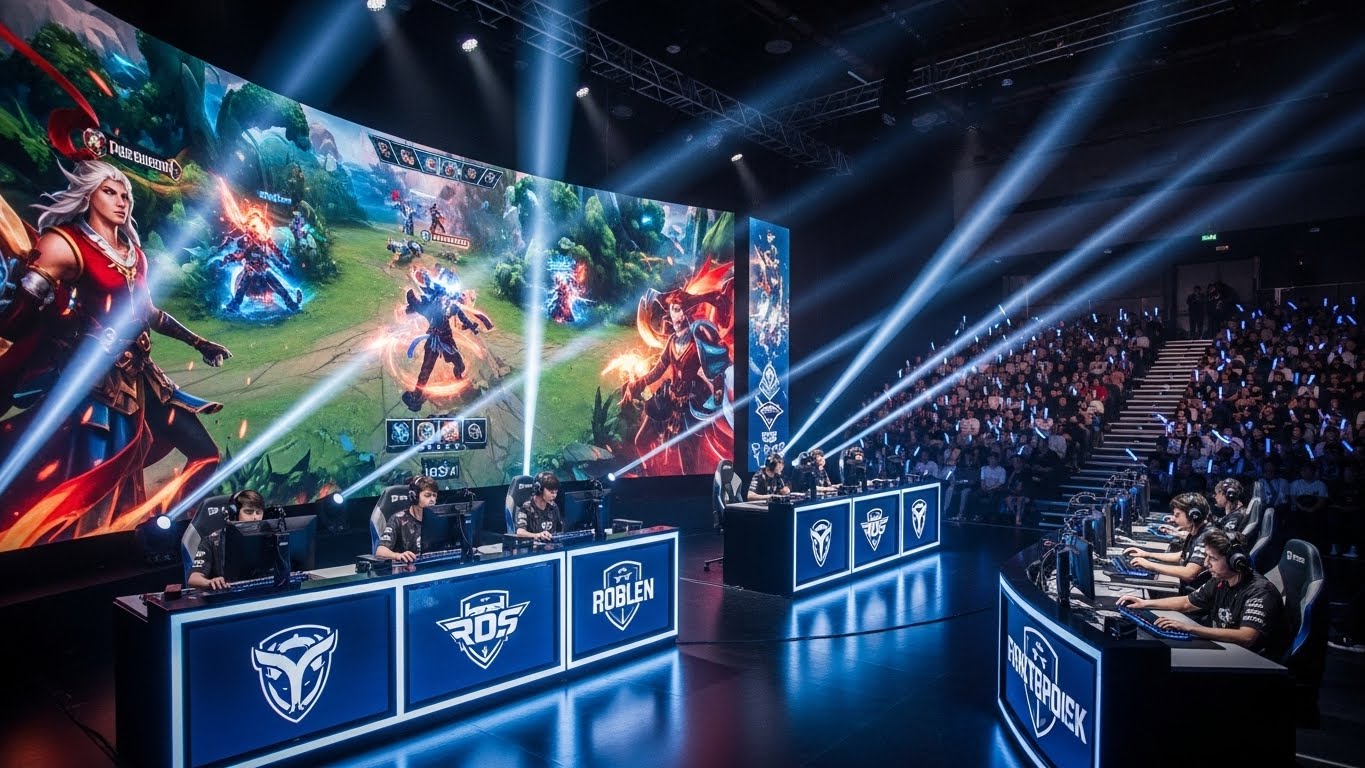
Esports also gained recognition from traditional media and corporate sponsors. Major sports networks began to broadcast tournaments, and companies outside the gaming world, such as Coca-Cola, Intel, and Red Bull, began investing in esports events and sponsorships. This influx of sponsorship money helped to elevate the production quality of esports events, with large-scale tournaments now being held in arenas capable of hosting tens of thousands of fans.
One of the most iconic milestones in the history of esports was the 2013 launch of League of Legends World Championship. The event drew over 32 million viewers, a number comparable to major traditional sports events. This moment marked a turning point in how esports were perceived, as it demonstrated the massive potential of gaming as a spectator sport.
In 2018, Fortnite took the world by storm, bringing esports into the mainstream even further. Epic Games, the creators of Fortnite, introduced a series of tournaments with multi-million dollar prize pools, attracting players from all over the world. The Fortnite World Cup in 2019 set a new precedent for the scale of esports events, with the grand prize totaling $3 million for the winning player.
The Esports Ecosystem: Teams, Leagues, and Tournaments
Today, esports is an ecosystem consisting of several key components: professional teams, players, tournaments, sponsors, and viewers. At the heart of the esports world are the professional players and teams. These players are often signed to organizations, which manage their careers, training, and participation in tournaments. Some of the most well-known esports organizations include Cloud9, Fnatic, Team Liquid, and T1.
Much like traditional sports leagues, esports has its own competitive structure. There are regional leagues for games such as League of Legends (LCS, LEC) and Overwatch (OWL), as well as major tournaments like The International (Dota 2) and the Fortnite World Cup. These tournaments feature professional players who compete for massive prize pools, sometimes reaching tens of millions of dollars.
The prize money in esports can be staggering, with top players regularly earning six-figure salaries just from competing. Beyond tournaments, players also earn money through sponsorships, streaming, and merchandise sales. Many professional gamers also engage in content creation, streaming on platforms like Twitch and YouTube, where they entertain their fanbase and interact with them directly.
The Fanbase and Cultural Impact
The esports fanbase has grown exponentially in recent years, with millions of people watching live tournaments or following their favorite players and teams online. Unlike traditional sports, esports has a unique advantage: it’s global. A League of Legends tournament can be watched by fans from virtually any country, regardless of language barriers. Fans often bond over their shared passion for gaming, creating a tight-knit online community that transcends borders.
The rise of esports has also influenced popular culture. Games like Fortnite have become more than just games; they are cultural phenomena, influencing music, fashion, and even politics. Fortnite, for example, held virtual concerts featuring major artists like Travis Scott and Marshmello, showing how gaming can intersect with other forms of entertainment.
In many ways, esports has also helped redefine the concept of what it means to be a “professional athlete.” While traditional sports athletes are revered for their physical prowess, esports athletes are celebrated for their mental acuity, reflexes, and teamwork. The physical demands of esports players, particularly in terms of their hand-eye coordination and focus, have led some to argue that esports players deserve similar recognition as athletes in other sports.
Challenges and Controversies in Esports
While the esports industry has experienced rapid growth, it has not been without its challenges. One of the most significant issues facing the esports world is player health, particularly mental health. The pressures of training, competition, and constant public scrutiny can take a toll on players. In some cases, players have reported burnout and mental health struggles, with the intense schedule leading to anxiety, depression, and even physical injuries from repetitive strain.
Another issue is the lack of job security for players. While top-tier esports players can make millions, the vast majority of gamers earn far less, and their careers can be short-lived due to the highly competitive nature of the industry. Many players find themselves out of a job after only a few years, making it difficult to sustain a long-term career in esports.
There are also concerns over the integrity of competitions. Cheating, match-fixing, and doping (through the use of performance-enhancing drugs) have marred the reputation of some esports tournaments. However, the esports community, much like traditional sports, is increasingly working to combat these issues through improved regulations, anti-cheating measures, and better oversight.
The Future of Esports
As esports continues to evolve, the future looks bright. The global market for esports is projected to surpass $1.5 billion by 2025, with an increasing number of corporations, brands, and investors taking an interest in the industry. As technology advances, we may see even more immersive experiences, with virtual reality (VR) and augmented reality (AR) gaming potentially transforming the way esports are played and viewed.
Esports is also continuing to gain legitimacy, with some governments recognizing professional gaming as a legitimate career. China, for example, has established esports as a recognized sport and has even opened universities offering degrees in esports management. The rise of esports as a mainstream career choice may soon lead to more professional training programs, better player development systems, and more sustainable career paths.
In addition, as the esports audience grows, we may see more cross-pollination with traditional sports. Many professional sports teams and athletes are investing in esports, either by forming their own teams or sponsoring esports events. This blending of cultures could lead to new and exciting developments in the esports world.
Conclusion
Esports has come a long way from its humble beginnings, evolving into a multi-billion-dollar global industry with a dedicated fanbase, professional players, and a growing cultural impact. While challenges remain, such as player well-being and issues with integrity, the future of esports looks incredibly promising. As the industry continues to grow, it’s clear that competitive gaming is no longer just a hobby—it’s a mainstream entertainment form that will continue to shape the world of sports and culture for years to come.