Introduction
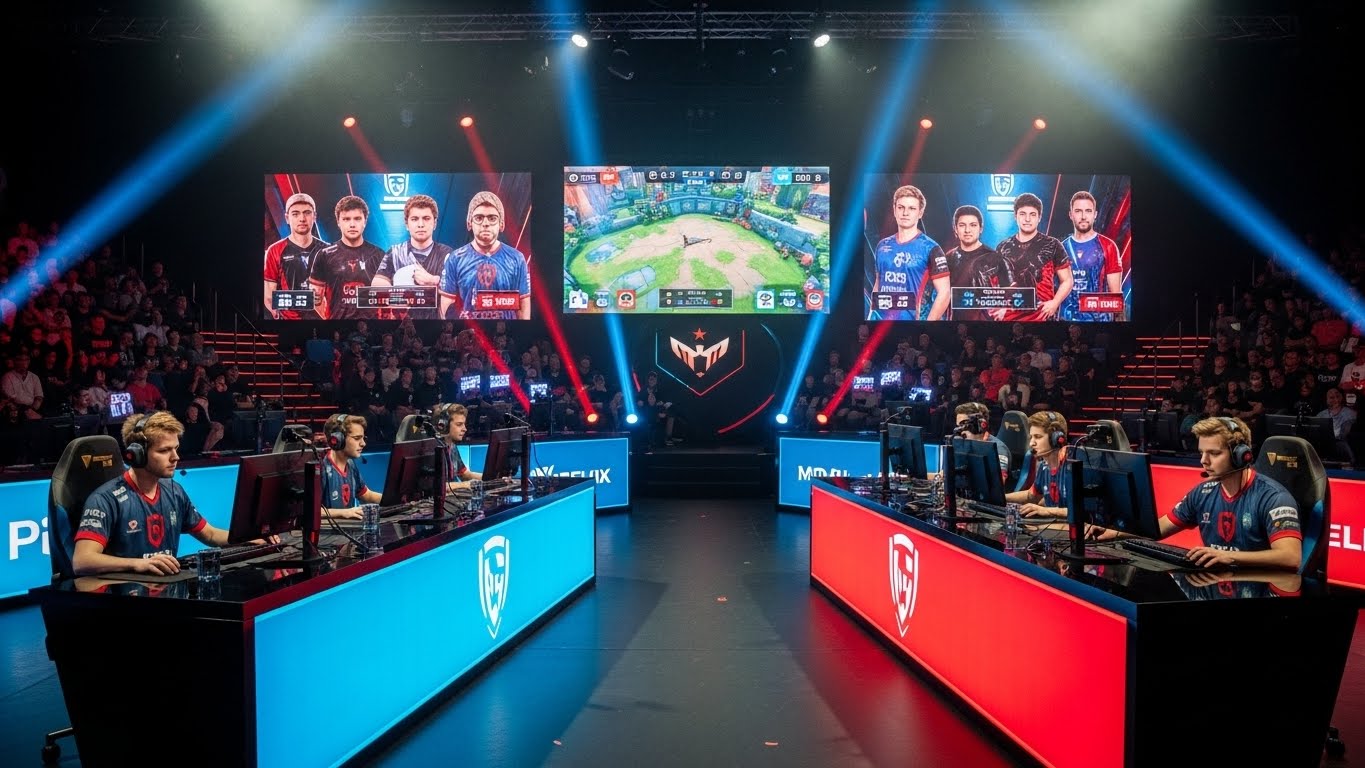
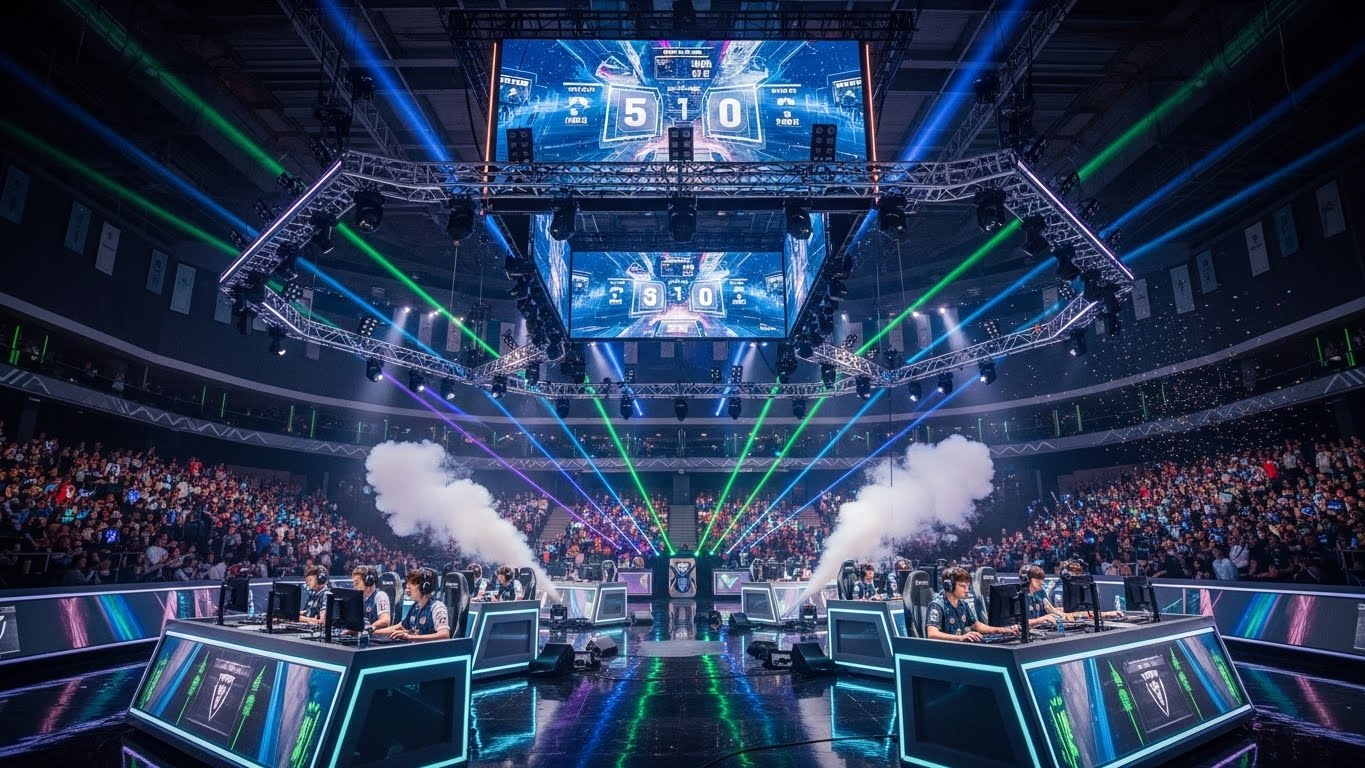
Over the past two decades, the world of competitive gaming has experienced an unprecedented rise, transforming from a niche hobby to a global entertainment juggernaut. Esports, or electronic sports, now commands the attention of millions worldwide, attracting fans, investors, and players from all corners of the globe. It is no longer confined to the realm of amateur play or small-scale tournaments. Today, esports encompasses massive events, professional leagues, and multi-million-dollar sponsorships. This blog post delves into how esports became such a powerful global industry, the factors behind its rapid growth, the key components of its ecosystem, and its future prospects.
The Birth and Evolution of Esports
Esports has its roots in the early days of video gaming, but it wasn’t until the late 1990s and early 2000s that the competitive gaming scene began to take shape. Games like StarCraft, Quake, and Counter-Strike laid the foundation for what would later become a fully organized and professionally supported industry. As internet access expanded and online multiplayer gaming became more accessible, it opened the door for gamers to compete against one another on a global scale.
The first major esports tournaments were small, localized events, but the advent of streaming platforms such as Twitch in 2011 revolutionized the way esports events were consumed. Suddenly, millions of viewers could watch professional players compete in real-time, from the comfort of their own homes. This accessibility spurred further growth and set the stage for esports to become a global phenomenon.
Esports Today: A Multi-Billion Dollar Industry
Today, esports is not just a hobby for a select few; it is a multi-billion-dollar industry. In 2020, the global esports market was valued at over $1 billion, and projections indicate that this figure will continue to rise as the industry matures. Major esports titles like League of Legends, Dota 2, Counter-Strike: Global Offensive, and Fortnite draw millions of players and viewers each year, generating significant revenue through sponsorships, advertising, media rights, merchandise, and ticket sales.
The popularity of esports has also led to the development of professional leagues and tournaments. Games like Overwatch, Call of Duty, and Rocket League have their own franchised leagues, where teams compete in a regular season format, much like traditional sports. These leagues often offer lucrative salaries to players and are broadcast on major television networks and online platforms, expanding the reach of esports to mainstream audiences.
The Key Drivers Behind the Growth of Esports
Several factors have contributed to the explosive growth of esports in recent years. Let’s explore the most significant drivers:
1. Technological Advancements
The rapid advancement of technology has played a pivotal role in the rise of esports. High-speed internet, powerful gaming hardware, and sophisticated broadcasting tools have all enabled esports to flourish. Ultra-fast internet connections have made online multiplayer gaming smoother, while high-performance gaming PCs and consoles have enhanced the quality of gameplay.
In addition, streaming platforms like Twitch, YouTube Gaming, and Facebook Gaming have made it easier for viewers to watch live tournaments and interact with players. These platforms have also provided a direct link between fans and their favorite esports personalities, fostering a sense of community that is essential to the culture of esports.
2. Global Connectivity and Accessibility
The digital nature of esports has made it incredibly accessible to players and fans around the world. Unlike traditional sports, where geographic and physical limitations exist, esports allows anyone with a computer or console and an internet connection to participate. This global connectivity has enabled the esports community to expand beyond the Western markets of North America and Europe, with countries like South Korea, China, and Brazil becoming major hubs for competitive gaming.
Moreover, the rise of mobile gaming has brought esports to an even broader audience. Games like PUBG Mobile and Free Fire have introduced esports to regions where access to high-end gaming PCs or consoles may be limited, allowing for a new wave of players and fans to emerge.
3. The Rise of Streaming and Online Communities
The emergence of live streaming platforms has been a game-changer for esports. Twitch, in particular, has become the dominant platform for both watching and streaming esports content. Streamers, who range from professional players to casual enthusiasts, have amassed millions of followers, creating a massive online community around esports. These platforms not only host live tournaments but also provide behind-the-scenes content, player interviews, and fan interactions, which help to build and maintain a connection between players and fans.
The social nature of streaming platforms has further fueled the growth of esports, with fans engaging in real-time discussions, cheering on their favorite teams, and contributing to the culture of competitive gaming. This interaction and engagement have become central to the esports experience, making it more than just a spectator sport but an immersive community-driven event.
4. Corporate Investment and Sponsorships
Esports has caught the attention of major corporations and investors, who see the potential of the industry to capture the interest of younger, tech-savvy audiences. Brands like Coca-Cola, Red Bull, Intel, and Mercedes-Benz have all sponsored esports events, recognizing the massive reach and appeal of the industry. These sponsorships not only provide financial support for teams and tournaments but also serve as a form of advertising, allowing brands to tap into a highly engaged and loyal fanbase.
In addition to brand sponsorships, esports organizations have attracted venture capital funding, which has helped them establish professional teams, hire talent, and build state-of-the-art training facilities. This influx of investment has led to greater stability in the industry and increased the overall professionalization of esports.
The Structure of Esports
Esports operates in a highly organized structure, with professional leagues, tournaments, and organizations that help manage and regulate the industry. At the top are the esports organizations, which are responsible for managing teams, securing sponsorships, and promoting events. These organizations play a similar role to sports teams in traditional athletics, ensuring that players have the resources they need to succeed.
Professional Leagues and Tournaments
Many popular esports titles have their own professional leagues, which are often structured like traditional sports leagues. For example, League of Legends has the League of Legends Championship Series (LCS), and Overwatch has the Overwatch League (OWL). These leagues feature a series of regular-season matches, followed by playoffs and a final championship event.
In addition to these regular-season leagues, there are major international tournaments such as The International for Dota 2 and The League of Legends World Championship. These tournaments offer massive prize pools, attracting the best players from around the world. The prize money for top-tier tournaments can reach millions of dollars, with the International boasting a prize pool that regularly exceeds $30 million.
Players and Teams
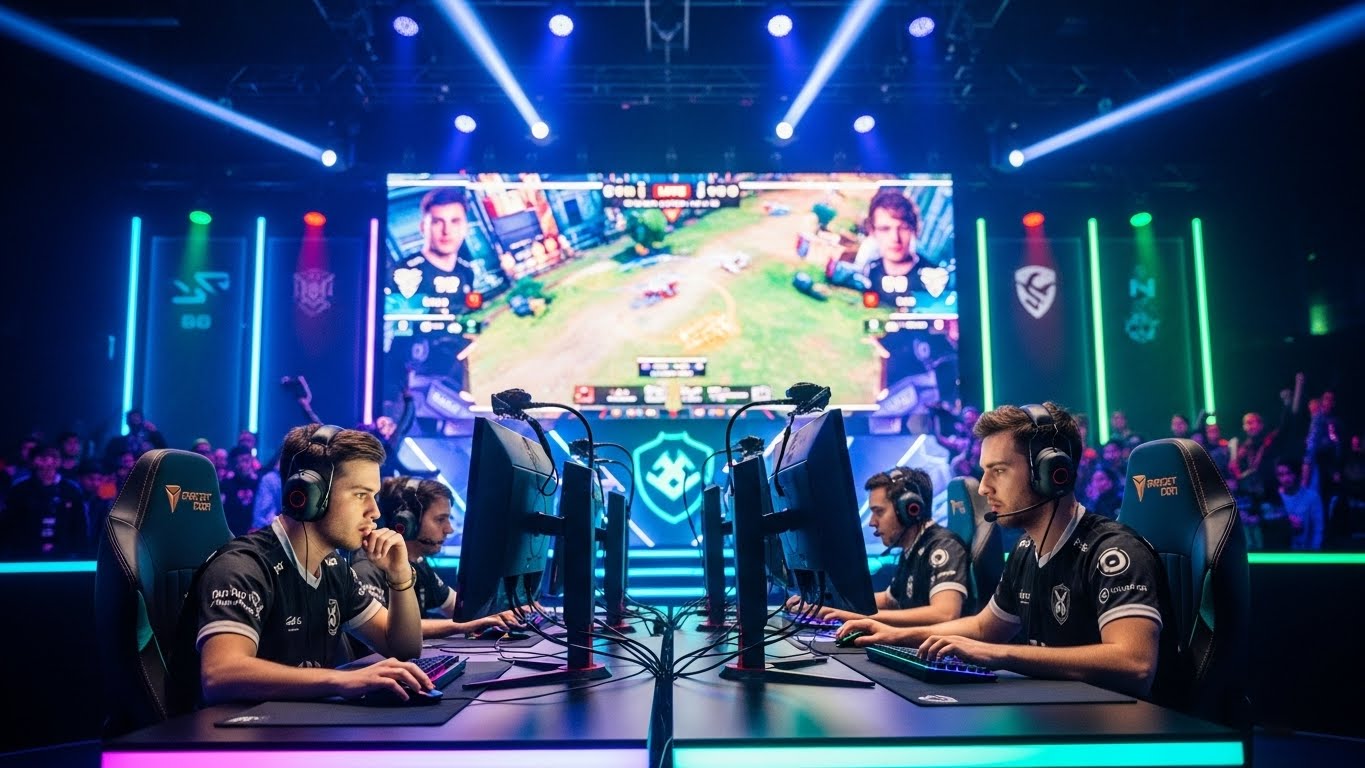
Esports players are highly skilled individuals who often dedicate their lives to practicing and competing in their chosen games. Many professional esports players start their careers at a young age, sometimes even competing in local or online tournaments before gaining the attention of major organizations. To be successful at the highest level, players must have exceptional hand-eye coordination, quick reflexes, and an understanding of the game’s strategies and mechanics.
Just like traditional sports, professional esports teams train together, work on strategies, and compete in league matches and tournaments. Some teams, such as Team Liquid and Fnatic, have built large fanbases, making them household names in the esports world.
Broadcasting and Media Rights
Broadcasting plays a significant role in the esports ecosystem. Major esports events are streamed live on platforms like Twitch and YouTube, and these broadcasts often draw millions of viewers. The rights to broadcast these events are highly valuable, with companies like ESPN and BBC investing in broadcasting deals for top-tier esports competitions.
The growth of esports viewership has led to new forms of media partnerships. Esports organizations now negotiate multi-million-dollar media deals, ensuring that their content reaches a broader audience. This is similar to how traditional sports leagues secure broadcasting deals with networks to air games to fans worldwide.
The Future of Esports
Esports has come a long way since its early days, but it is still in its early stages in terms of its full potential. The future of esports looks incredibly promising, with the following trends likely to shape the next chapter of its growth:
1. Esports in Schools and Universities
As the popularity of esports continues to grow, more schools and universities are incorporating esports programs into their curricula. Many institutions now offer esports scholarships, and competitive gaming is becoming a legitimate career option for students. This trend is likely to increase as more young people pursue gaming as a serious career path.
2. Virtual Reality and Augmented Reality Integration
Virtual reality (VR) and augmented reality (AR) are technologies that could revolutionize esports. As VR technology improves, we may see a new wave of immersive esports experiences that offer fans a chance to experience the action in ways never before possible. VR esports could create entirely new genres of competitive games that are more interactive and engaging.
3. Global Expansion
Esports is already a global phenomenon, but there is still tremendous room for expansion. As the gaming market continues to grow in emerging markets like India, Africa, and the Middle East, esports will become even more widespread. New leagues, tournaments, and events will continue to emerge, offering new opportunities for players and fans.
Conclusion
Esports has evolved from a niche hobby to a global competitive force, capturing the attention of millions and attracting massive investment. As technology advances, the structure of esports continues to professionalize, creating new opportunities for players, teams, and fans alike. With its global reach, inclusive nature, and the growing involvement of corporate sponsors, esports is on track to become a permanent fixture in the entertainment world. As the industry matures, the future of esports looks brighter than ever, with new