Introduction: The Rise of a New Digital Phenomenon
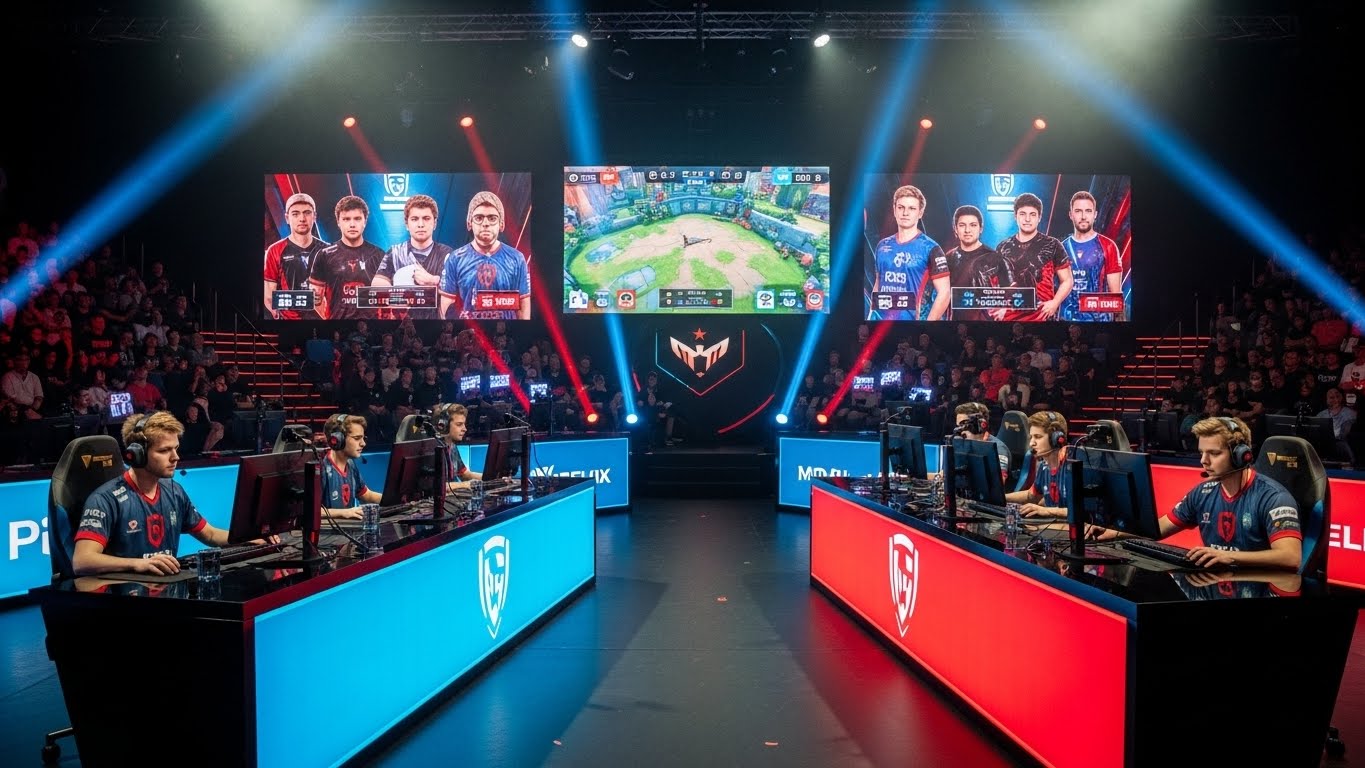
Over the past two decades, the world of entertainment has witnessed an extraordinary evolution. What once began as a niche hobby for gaming enthusiasts has now become one of the most dynamic and rapidly growing industries in the world — esports. Short for “electronic sports,” esports refers to organized, competitive gaming where individuals or teams play against each other in popular video games. From humble beginnings in local gaming arcades to filling entire stadiums with roaring fans, esports has transformed into a billion-dollar industry that rivals traditional sports in viewership, sponsorship, and global influence.
The rise of esports is more than just a story about gaming; it’s a reflection of how digital culture, technology, and global connectivity have reshaped modern entertainment.
The Early Days: From Arcade Challenges to Global Competitions
The roots of esports can be traced back to the early 1970s and 1980s, when video games like Pong, Space Invaders, and Pac-Man dominated arcades. Friendly competitions between players were common, but the first organized video game tournament is often credited to the 1972 event at Stanford University for the game Spacewar!.
The 1990s brought a new wave of excitement with the rise of home gaming consoles and personal computers. Games like Street Fighter II, Doom, and StarCraft introduced competitive elements that encouraged players to test their skills against others. The introduction of the internet was the real turning point. Players could now connect globally, forming online communities and organizing international tournaments without ever meeting in person.
By the early 2000s, esports began to resemble what we recognize today. Professional players emerged, sponsors took interest, and the first dedicated esports organizations started forming.
The Esports Explosion: 2010s and Beyond
The 2010s marked the golden era of esports. Titles like League of Legends, Dota 2, Counter-Strike: Global Offensive, and Overwatch attracted millions of viewers and established themselves as cornerstones of the industry. These games were not just digital competitions — they were global spectacles.
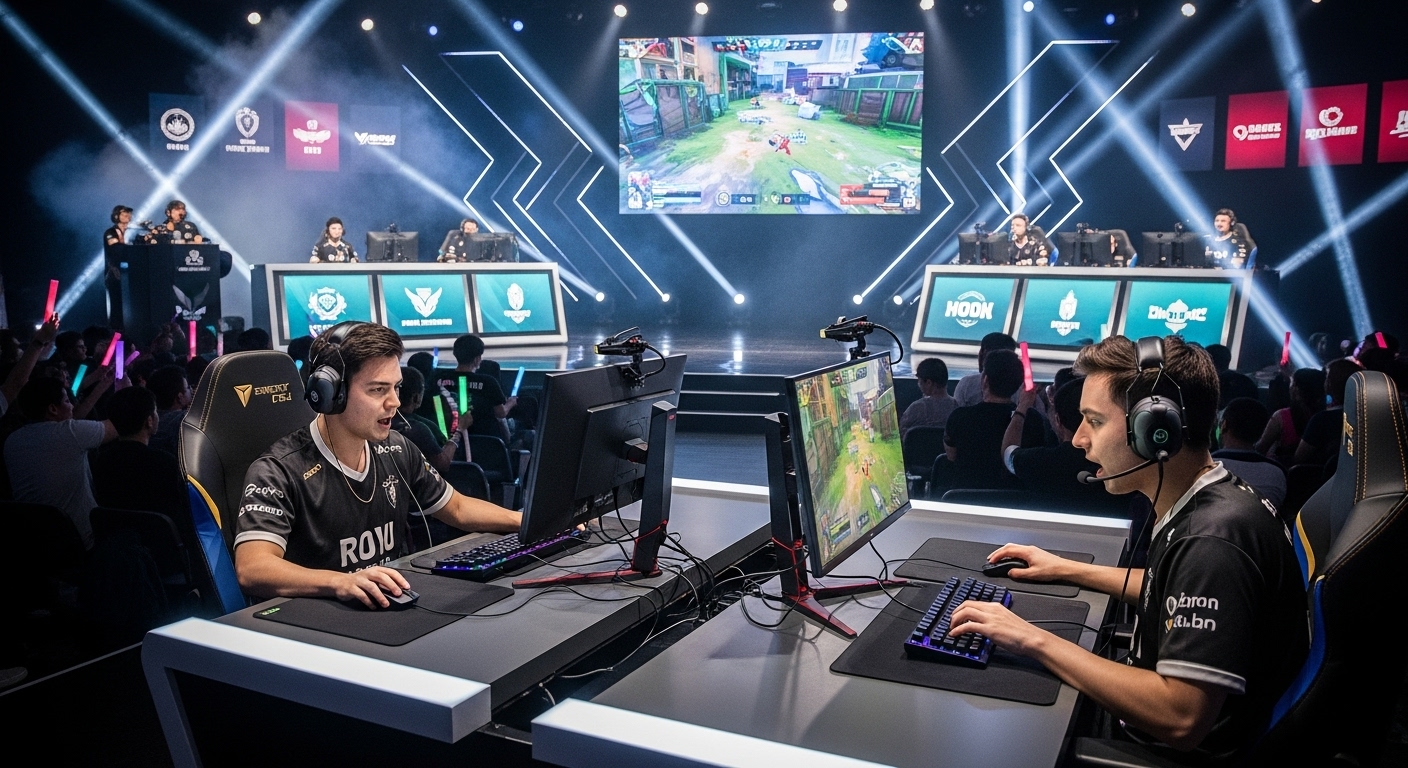
Events such as The International (for Dota 2) and League of Legends World Championship broke records for online viewership and prize money. The International, for example, offered prize pools worth tens of millions of dollars, funded in part by fan contributions. Meanwhile, streaming platforms like Twitch and YouTube Gaming revolutionized how audiences engaged with competitive gaming, making it accessible to anyone with an internet connection.
Esports no longer needed validation from traditional media. It had created its own ecosystem — complete with professional leagues, commentators, analysts, and even celebrity gamers.
The Players: Modern-Day Digital Athletes
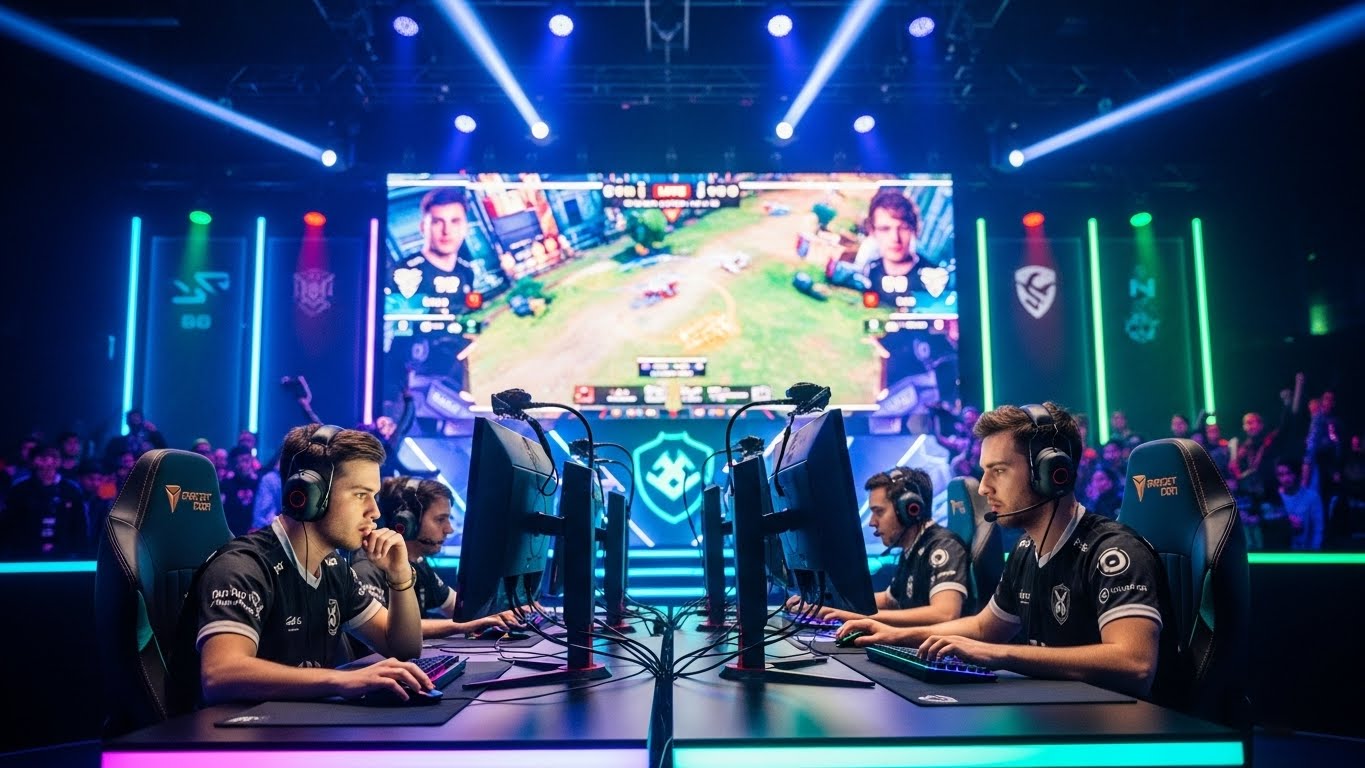
Contrary to outdated stereotypes, professional esports players are not casual gamers sitting behind screens for fun. They are highly skilled athletes who train for hours each day to refine reflexes, coordination, strategy, and teamwork. Much like traditional sports, esports requires discipline, mental resilience, and a deep understanding of tactics.
Players often specialize in specific roles within their teams, studying opponents’ play styles and adjusting their strategies accordingly. The best players are not just talented — they are mentally sharp and capable of maintaining intense focus for long periods.
Moreover, the physical aspect of esports is often underestimated. While it may not involve running or jumping, players face physical challenges such as eye strain, wrist injuries, and fatigue from long training sessions. To combat this, many professional organizations now employ fitness coaches, nutritionists, and psychologists to ensure that their athletes maintain both physical and mental well-being.
The Business Behind the Screens
Esports is no longer just about playing games — it is a massive business ecosystem involving sponsors, advertisers, broadcasters, and technology companies. The industry’s revenue sources include media rights, sponsorships, merchandise, ticket sales, and in-game purchases.
Major corporations from various sectors, including technology, automotive, and even fashion, have invested heavily in esports. Brands see esports as a powerful tool to connect with younger audiences who consume entertainment differently from previous generations. Traditional sports organizations have also joined the movement, with football clubs, basketball teams, and even Olympic committees exploring partnerships with esports teams.
Furthermore, universities across the world are offering scholarships for esports players, recognizing the legitimacy of competitive gaming as both a career and an academic pursuit. The lines between traditional sports and esports continue to blur.
Esports and Technology: A Perfect Partnership
The success of esports would not have been possible without rapid technological advancements. High-speed internet, powerful gaming hardware, and streaming platforms have all contributed to its rise. The evolution of graphics and virtual environments has also enhanced the spectator experience, turning digital matches into visually stunning events.
Virtual reality (VR) and augmented reality (AR) are beginning to shape the next generation of esports experiences. VR-based esports titles are emerging, allowing players to physically move and interact within the game world. Artificial intelligence (AI) is also being used to analyze player performance, predict outcomes, and enhance viewer engagement through data-driven insights.
Technology has made esports not just a form of entertainment but a symbol of digital innovation.
The Global Community: Uniting Players Across Borders
One of the most remarkable aspects of esports is its global reach. Unlike many traditional sports that are limited by geography or physical access, esports transcends borders. Players from every continent can compete on equal terms, united by their love of gaming.
This global inclusivity has fostered diverse communities where language, culture, and background take a back seat to skill and teamwork. Esports has given rise to online friendships, international fan bases, and even cross-cultural collaborations that bridge the gap between nations.
Countries like South Korea, China, and the United States have become esports powerhouses, producing world-class players and hosting major tournaments. Meanwhile, emerging regions such as Southeast Asia, the Middle East, and Africa are quickly catching up, showcasing the truly global nature of this digital revolution.
The Educational and Career Opportunities in Esports
Beyond professional competition, esports has opened doors to countless career opportunities. The industry requires a wide range of skills beyond gaming — from event organization and content creation to marketing, broadcasting, and game development.
Educational institutions are beginning to recognize the potential of esports as a learning platform. Courses in esports management, game design, and digital marketing are becoming increasingly common. These programs prepare students for roles in one of the fastest-growing entertainment sectors in the world.
Esports also promotes valuable life skills such as teamwork, communication, leadership, and problem-solving. For many young people, it provides a constructive outlet for creativity and ambition, transforming gaming from a pastime into a pathway for personal and professional growth.
Challenges and Controversies
Despite its tremendous growth, esports faces several challenges. Player burnout, cheating scandals, and lack of standardized regulations are ongoing concerns. The pressure to perform at a professional level can lead to mental health issues, prompting calls for better support systems within organizations.
Another issue is the gap in representation. While the industry is becoming more inclusive, female players and marginalized groups still face barriers in gaining recognition and equal opportunities. Efforts are being made to promote diversity and create safer, more welcoming gaming environments for everyone.
Additionally, the question of legitimacy continues to linger. While many recognize esports as a genuine sport, some traditionalists remain skeptical. However, with the growing integration of esports into mainstream culture — including its consideration for future Olympic events — such doubts are slowly fading.
The Cultural Impact of Esports
Esports is more than just competition; it’s a cultural movement. It influences fashion, music, entertainment, and even language. Popular esports players have become global celebrities with millions of followers, shaping trends and inspiring younger generations.
The rise of gaming content creators and streamers has further blurred the line between professional competition and entertainment. Audiences no longer just watch matches; they engage in communities, participate in fan discussions, and follow their favorite players as if they were movie stars.
In many ways, esports represents the voice of the digital generation — a blend of creativity, competition, and connectivity.
The Future of Esports: A New Era of Digital Entertainment
The future of esports looks incredibly bright. As technology continues to advance, we can expect even more immersive experiences through virtual and augmented reality. The boundaries between player and spectator will continue to blur, allowing fans to interact with matches in real time.
Esports is also poised to become a permanent fixture in mainstream entertainment. With its inclusion in global multi-sport events and growing recognition from governments and educational institutions, it is clear that esports is not just a trend but a defining element of 21st-century culture.
As the world becomes increasingly digital, esports stands at the intersection of technology, art, and athleticism — a true reflection of modern human achievement.
Conclusion: The Legacy of Esports
From the blinking pixels of early arcade games to the dazzling lights of world championships, esports has traveled an incredible journey. It has redefined what it means to be an athlete, a fan, and even an entertainer. What began as a small community of passionate gamers has evolved into a global movement that unites millions through competition, creativity, and connection.
Esports is not the future — it is the present. It is proof that passion and technology, when combined, can create something extraordinary. As the digital arena continues to expand, one thing is certain: the world will keep watching, cheering, and playing.