Introduction: The Rise of Esports
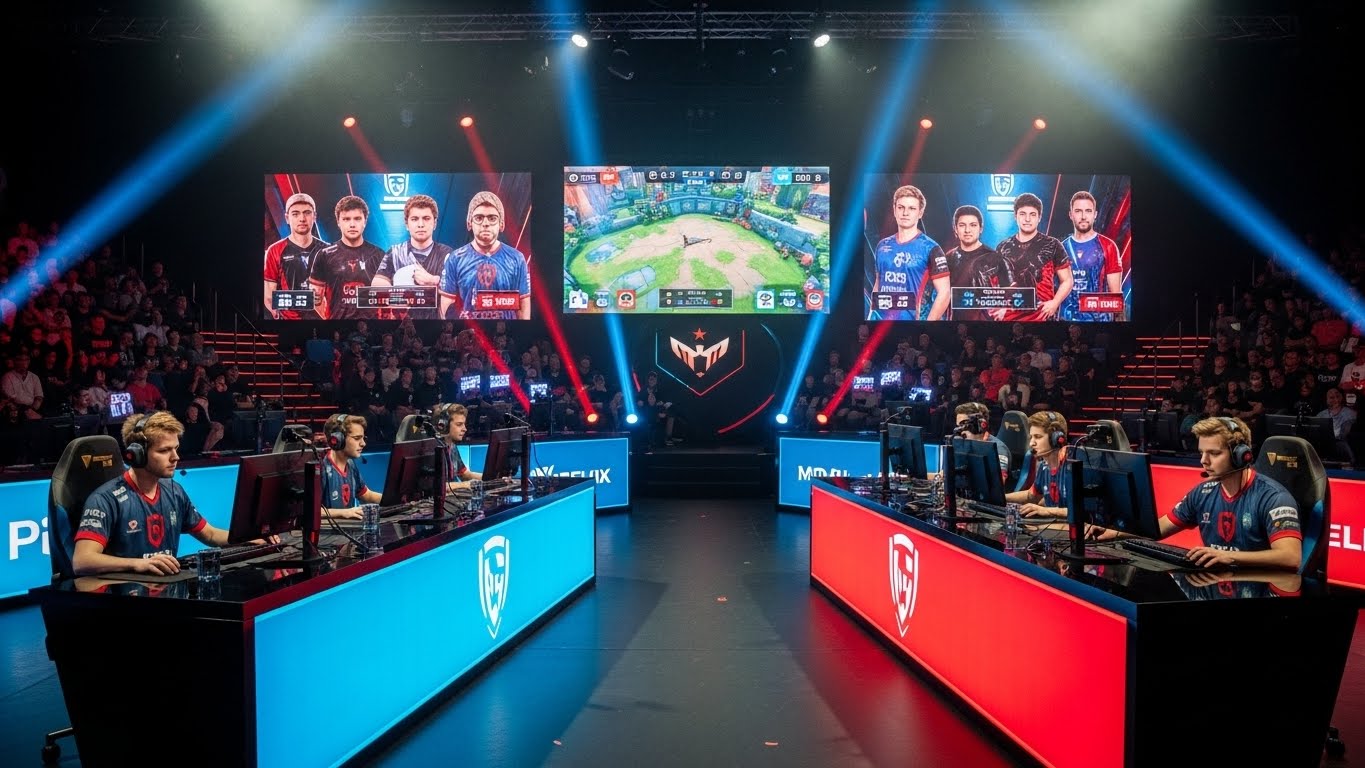
Esports, short for electronic sports, has transformed from a niche hobby into a global phenomenon. What was once considered a pastime for gamers in basements is now a billion-dollar industry with professional teams, massive tournaments, and millions of dedicated fans worldwide. Esports transcends age, nationality, and culture, connecting players and audiences through the shared excitement of competition. Beyond entertainment, esports influences technology, education, and social interaction, making it a cultural force in the 21st century.
The Origins of Esports
Competitive gaming has existed almost as long as video games themselves. In the 1970s and 1980s, arcade competitions and home console tournaments laid the foundation for modern esports. Titles like Pong and Space Invaders introduced competitive elements, but it was the rise of multiplayer PC games in the 1990s, such as StarCraft and Counter-Strike, that truly shaped competitive gaming. Internet connectivity allowed players to compete beyond local networks, leading to the creation of early esports leagues and tournaments. These early competitions highlighted skill, strategy, and teamwork, setting the stage for the professional ecosystem we see today.
The Popularity of Esports Today
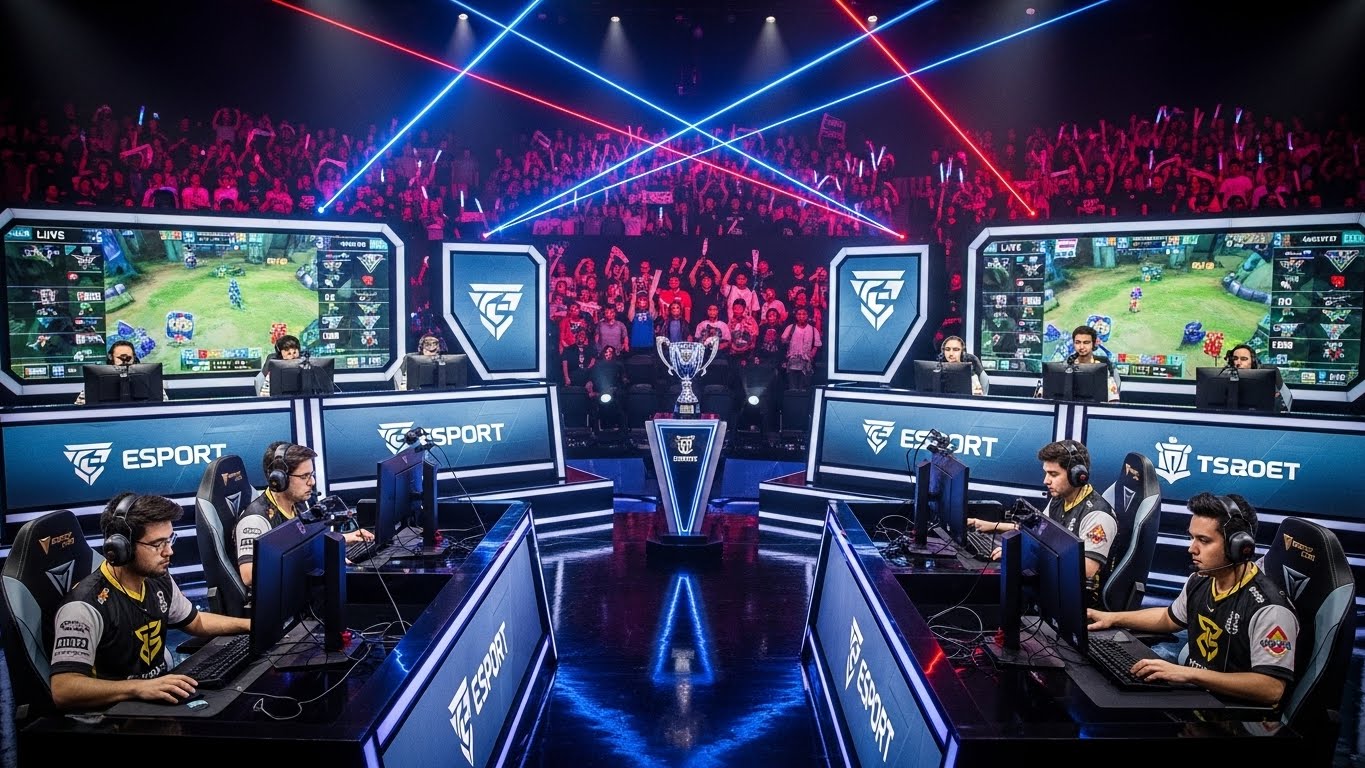
Esports has grown exponentially in the last decade. Games like League of Legends, Dota 2, Fortnite, and Valorant attract millions of players and viewers worldwide. Platforms for live streaming, such as Twitch and YouTube Gaming, enable fans to watch competitions in real-time, interact with players, and participate in online communities. Esports tournaments often rival traditional sports events in scale, with prize pools reaching millions of dollars. The popularity of esports is not limited to playing; fans engage in coaching, content creation, analysis, and fan art, creating a vibrant ecosystem around the competitive scene.
The Physical and Mental Demands of Esports
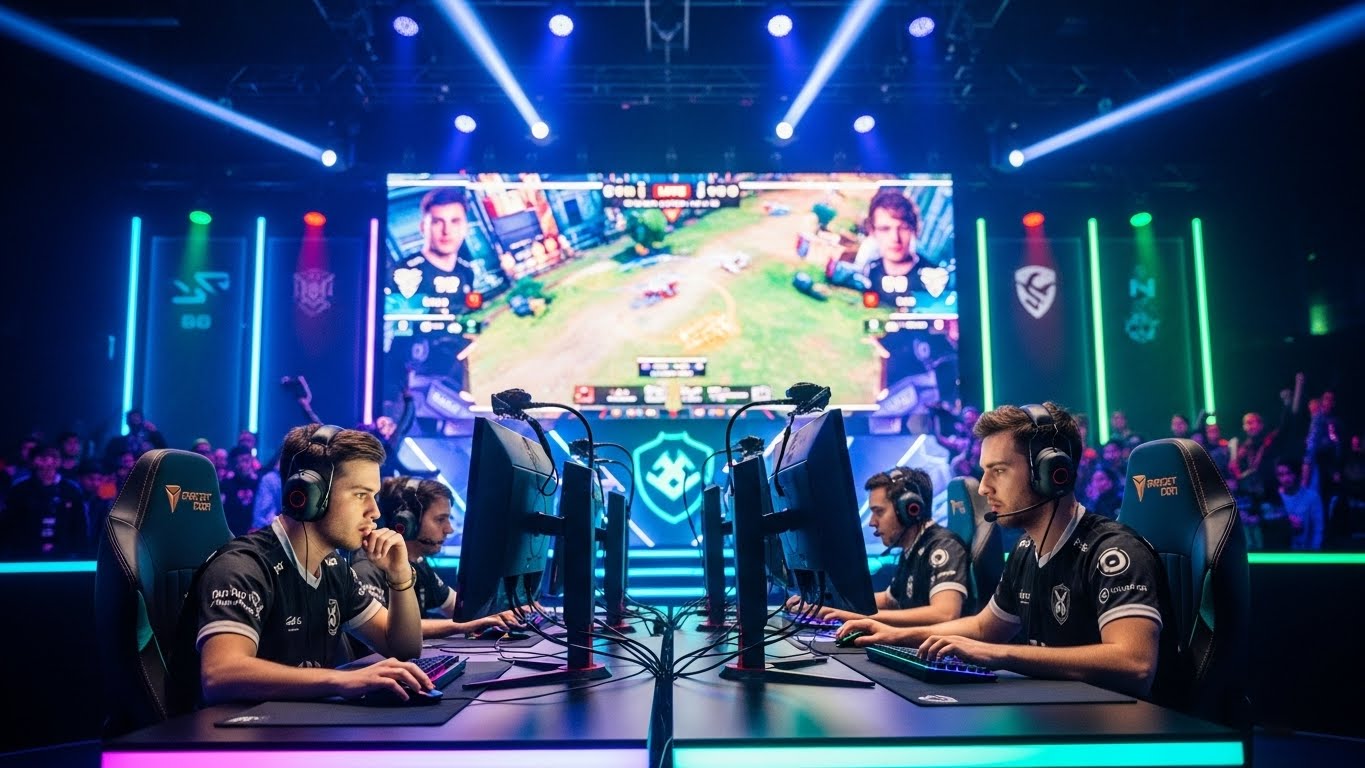
Contrary to common misconceptions, esports requires more than just fast reflexes. Professional players undergo rigorous training schedules that involve not only gameplay practice but also physical fitness and mental conditioning. Hand-eye coordination, strategic thinking, and decision-making under pressure are crucial skills for success. Mental resilience is particularly important, as players face intense scrutiny from fans, teams, and sponsors. Maintaining focus during long tournaments requires stamina, stress management, and healthy routines. Many professional teams now incorporate physical training, nutrition planning, and psychological support to ensure players can perform at their best.
The Economics of Esports
Esports is a multi-billion-dollar industry that continues to grow. Revenue streams include sponsorships, advertising, media rights, ticket sales for live events, merchandise, and digital content. Major brands partner with esports teams to reach younger, tech-savvy audiences, recognizing the marketing potential of the industry. Esports organizations operate similarly to traditional sports franchises, hiring managers, coaches, analysts, and content creators. The industry also creates jobs in broadcasting, event management, software development, and marketing. As investments increase, esports is likely to become even more integrated into mainstream entertainment and business sectors.
Esports as a Career
Professional esports offers opportunities far beyond playing games. While being a professional player is highly competitive, careers in coaching, game analysis, content creation, event organization, and esports journalism are expanding. Players often become influencers, using streaming platforms to build personal brands and connect with fans. Universities and colleges now offer esports scholarships and programs, combining education with competitive gaming. These programs focus on strategy, communication, teamwork, and leadership, preparing students for various roles in the esports ecosystem. Esports careers demand dedication, discipline, and adaptability, reflecting the professionalism of the industry.
The Role of Technology in Esports
Technology is the backbone of esports. High-performance gaming hardware, stable internet connections, and advanced software are essential for competitive play. Streaming technology allows millions of fans to watch matches live, interact with content creators, and participate in global communities. Data analytics play a crucial role in improving performance, with players and coaches analyzing gameplay, strategies, and opponents to gain an advantage. Virtual reality and augmented reality are emerging as potential tools for training and enhancing viewer experiences. The integration of technology ensures that esports remains dynamic, innovative, and continually evolving.
Esports and Social Interaction
Esports is more than a solo activity; it thrives on social engagement. Multiplayer games foster teamwork, communication, and collaboration among players. Online communities, forums, and social media groups allow fans and players to connect, share insights, and celebrate achievements. Esports also provides a platform for social inclusivity, as individuals from diverse backgrounds can participate and interact without geographical constraints. Tournaments and live events create opportunities for fans to gather in person, forming friendships and cultural connections. For many, esports serves as a meaningful way to build social bonds and a sense of belonging.
Women in Esports: Shaping Diversity
The esports industry has traditionally been male-dominated, but women are increasingly making their mark. Female players, commentators, and content creators challenge stereotypes and inspire future generations. Organizations and tournaments are actively promoting gender inclusivity, providing equal opportunities, mentorship, and recognition. Highlighting women in esports encourages broader participation and demonstrates that skill and dedication are not limited by gender. The rise of women in esports is gradually reshaping the cultural landscape of competitive gaming and promoting diversity across the industry.
Education and Esports
Esports is finding a place in education, with schools and universities integrating competitive gaming into their programs. Esports education combines gaming with critical thinking, strategy, teamwork, and digital literacy. Students learn time management, communication skills, and leadership through structured training and competition. Academic programs also explore the business, technological, and psychological aspects of esports, preparing students for careers in this expanding industry. By incorporating esports into education, institutions recognize its potential to engage students, develop essential skills, and prepare them for the evolving digital economy.
The Challenges of Esports
Despite its growth, esports faces several challenges. The intense competition can lead to burnout, stress, and physical strain for professional players. Issues such as cheating, match-fixing, and online harassment threaten the integrity and safety of the community. Additionally, the perception of esports as “just gaming” can undermine recognition for its complexity and professionalism. Industry stakeholders must address these challenges through regulation, support systems, and education. Ensuring the well-being of players, maintaining fair play, and promoting a positive community are essential for sustaining the growth of esports.
The Global Impact of Esports
Esports has a global reach, transcending borders and cultures. International tournaments attract players and fans from every continent, fostering cultural exchange and mutual appreciation. Esports encourages digital literacy, teamwork, and strategic thinking on a worldwide scale. Governments and organizations increasingly recognize esports for its economic, educational, and social potential. From generating revenue to inspiring innovation, esports has become a global force, redefining the concept of competitive sports in the digital age.
The Future of Esports
The future of esports is both exciting and dynamic. Emerging technologies such as virtual reality, augmented reality, and artificial intelligence will redefine gameplay, training, and viewing experiences. Esports may continue to integrate with traditional sports, entertainment, and education, creating hybrid platforms that attract broader audiences. The industry’s growth will likely promote greater inclusivity, sustainability, and professionalism. As esports evolves, it will continue to challenge perceptions, inspire creativity, and provide opportunities for players, fans, and businesses worldwide.
Conclusion: Esports as a Cultural Phenomenon
Esports is no longer just a form of entertainment; it is a cultural phenomenon shaping how people compete, socialize, and engage with technology. It combines skill, strategy, innovation, and community in ways that resonate across generations. From the passionate fans cheering online to the professional players dedicating hours to training, esports has become a symbol of the digital era. Its influence extends beyond gaming, impacting education, economy, and social interaction. Embracing esports as a legitimate and valuable pursuit ensures that this digital arena will continue to thrive, inspire, and connect people worldwide.