Introduction
Esports, once considered a niche hobby practiced in dimly lit internet cafés, has exploded into a worldwide cultural and economic force. Competitive gaming has evolved far beyond friendly neighborhood matches; it now fills stadiums, attracts multimillion-dollar sponsorships, and commands the attention of millions of passionate fans. This transformation did not happen overnight. Rather, it is the result of years of innovation, community building, and technological advancement. In this blog, we explore the rise of esports, its impact on society, the opportunities it creates, and what the future may hold for this rapidly expanding industry.
The Evolution of Competitive Gaming
Esports can trace its origins back to the late twentieth century, when arcade high scores and small-scale competitions served as early signs of what was to come. As home consoles grew more powerful and multiplayer games gained popularity, the competitive spirit surrounding gaming grew with them. The arrival of online gaming accelerated this growth dramatically. No longer limited by geography, players could now compete against anyone around the world, forming communities that celebrated skill, strategy, and teamwork.
The early 2000s marked a turning point when organized tournaments began offering real prize money and attracting sponsors. What started as informal gatherings slowly morphed into structured leagues with professional players. Games like Counter Strike, StarCraft, and League of Legends laid the foundation for what is now recognized as modern esports.
Professionalization of Esports Athletes
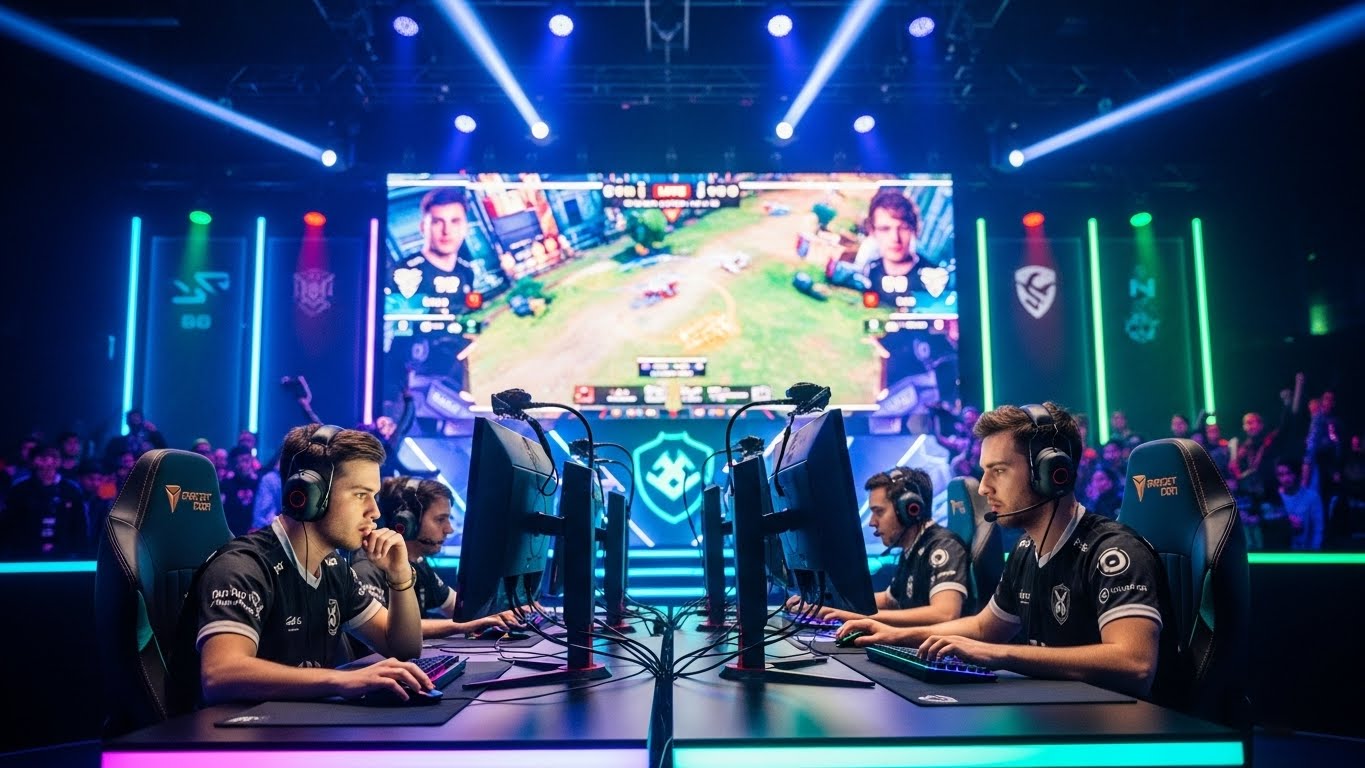
One of the most significant developments in esports is the professionalization of its players. Today’s esports athletes are not just casual gamers; they are disciplined competitors who train for hours every day. They undergo rigorous practice routines, review game footage, analyze strategies, and work closely with coaches, analysts, and sometimes even sports psychologists.
Training facilities for esports teams now resemble those of traditional sports organizations. They include high-end gaming setups, nutrition programs, fitness training, and structured schedules. Many teams offer salaries, performance bonuses, and long-term contracts. This shift emphasizes that esports is more than entertainment—it is a legitimate competitive sport requiring dedication, teamwork, and specialized skill sets.
The Growth of Esports Tournaments and Leagues
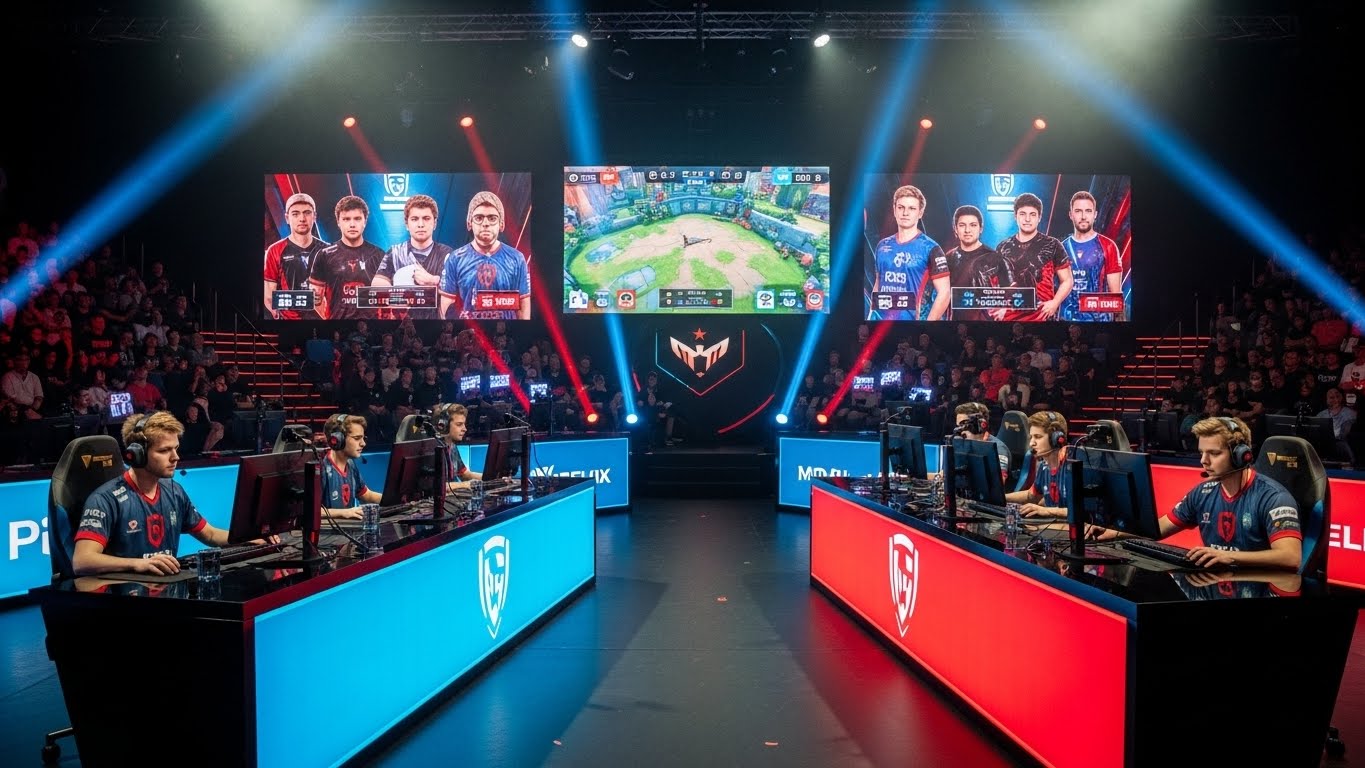
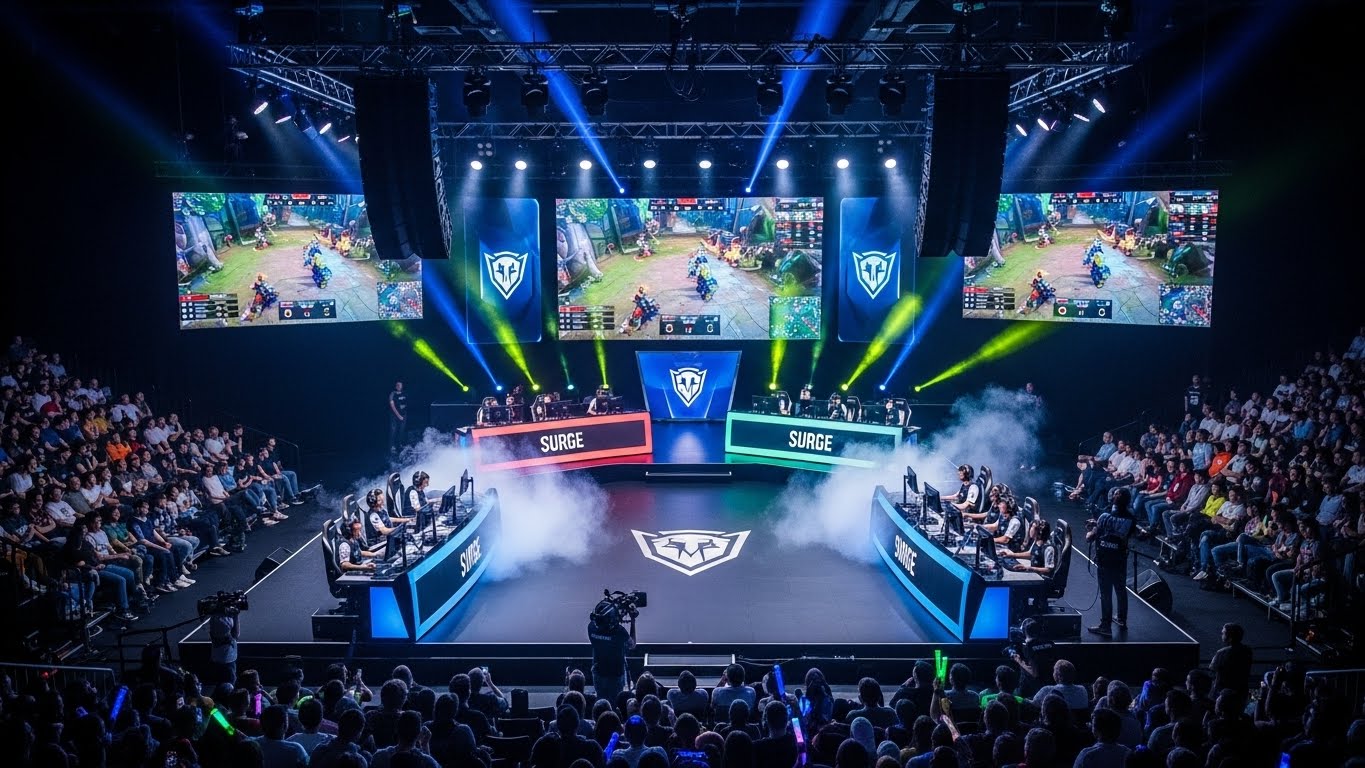
Large-scale tournaments have played a vital role in elevating esports to the mainstream. Events for games like Dota, League of Legends, Valorant, and Fortnite attract millions of viewers, both online and in physical arenas. Prize pools sometimes reach staggering amounts, adding prestige and excitement to each competition.
Esports leagues mimic the structure of traditional sports leagues, with regular seasons, playoffs, and championship events. Teams represent cities, countries, and even corporate brands. The fan engagement around these leagues mirrors that of conventional sports, complete with team merchandise, fan chants, and passionate communities rallying behind their favorites.
The Role of Streaming and Digital Platforms
Streaming platforms have become the backbone of the esports ecosystem. They offer fans the ability to watch tournaments live, follow their favorite players, and engage directly with the gaming community. The rise of streaming personalities has created an entirely new category of entertainment, where professional gamers and content creators can build massive followings.
This accessibility plays a major role in the popularity of esports. Unlike some traditional sports, anyone with an internet connection can watch high-level matches or even join the action by playing the same games themselves. The barrier to entry is low, and the sense of inclusivity helps fuel the industry’s growth.
Esports as a Career Path
Esports is no longer just about being a professional player. The industry has generated a wide range of career opportunities. Coaches, analysts, commentators, event organizers, social media managers, game designers, and marketing specialists all contribute to the esports ecosystem. Educational institutions are beginning to offer courses and scholarships focused on competitive gaming and related fields, recognizing the industry’s potential to provide long-term career stability.
This diversification of career paths highlights the maturity of esports. It is becoming a viable industry with roles that extend far beyond competing in tournaments. For many young people around the world, esports represents a passion-driven career opportunity.
Impact on Youth and Culture
Esports has had a profound influence on youth culture. It fosters communities where friendships are built through shared interests and teamwork. Many players credit esports for improving their strategic thinking, communication skills, and resilience. Young people who may not be drawn to traditional sports find a sense of belonging in competitive gaming.
At the same time, esports has influenced fashion, music, and entertainment. Collaborations between gaming companies and popular artists have become common, illustrating how deeply embedded esports is becoming in mainstream culture. The sense of identity and pride associated with supporting a favorite team or player parallels that of traditional sports fandom.
The Business of Esports
The business landscape of esports is vast and rapidly growing. Sponsorships, advertising, team investments, merchandise sales, and media rights all contribute to its financial ecosystem. Major brands from technology, energy drinks, apparel, and even automobile industries have invested heavily in esports partnerships. They recognize the value of connecting with the massive global audience that esports commands.
Game developers also play a critical role, as they design competitive titles intended for professional play. Their involvement ensures that esports remains sustainable and exciting. By continually improving gameplay, balancing mechanics, and hosting official events, developers keep the competitive scene thriving.
The Challenges Facing Esports
Despite its impressive growth, esports faces several challenges. Player burnout is a significant concern, as long hours and intense pressure can take a toll on mental and physical health. Ensuring fair competition is another challenge, requiring strict anti-cheat measures and proper regulation of tournaments.
The industry must also address concerns related to inclusivity and diversity. While progress is being made, there is still room for improvement in ensuring equal opportunities for players regardless of gender or background. Establishing clear standards, fair contracts, and long-term sustainability are ongoing tasks that will shape the future of esports.
The Future of Esports
Looking ahead, the future of esports appears incredibly promising. The integration of virtual reality, augmented reality, and advanced gaming technologies will open new possibilities for competition and spectator engagement. As more countries recognize esports as a legitimate sport, global tournaments may become even more structured and widely celebrated.
Educational institutions will likely continue supporting esports programs, creating a pipeline of talented players and skilled professionals. Investment from major industries will also ensure that esports remains financially strong and capable of evolving with new trends.
Perhaps the most exciting aspect of esports’ future is its ability to bring people together from every corner of the world. The universal language of gaming transcends borders and fosters a sense of global community.
Conclusion
Esports has transformed from a small hobby into a massive global industry that influences entertainment, technology, sports, and culture. Its journey is a testament to the power of passion, innovation, and community. As competitive gaming continues to grow, it offers endless opportunities for players, professionals, and fans alike. The rise of esports is far from over; in fact, it is only the beginning of an exciting new chapter in digital competition.