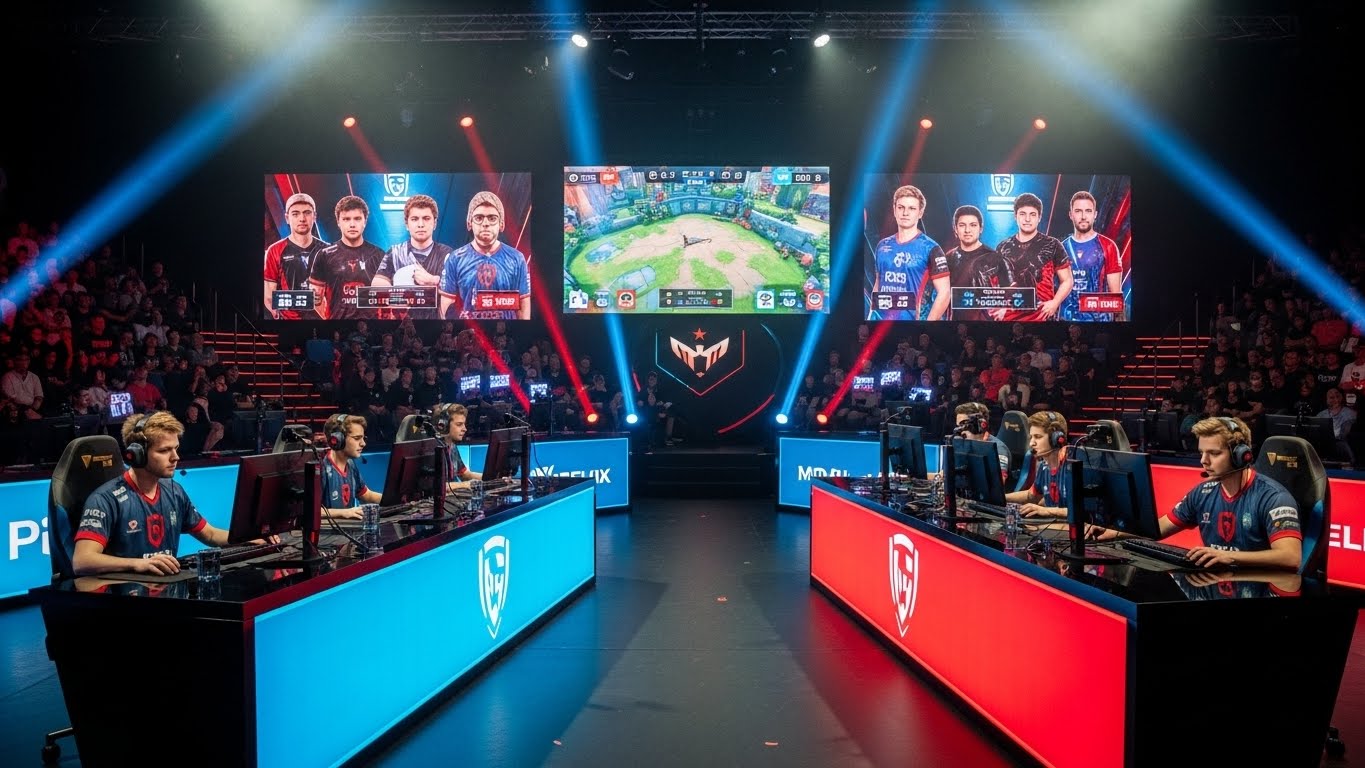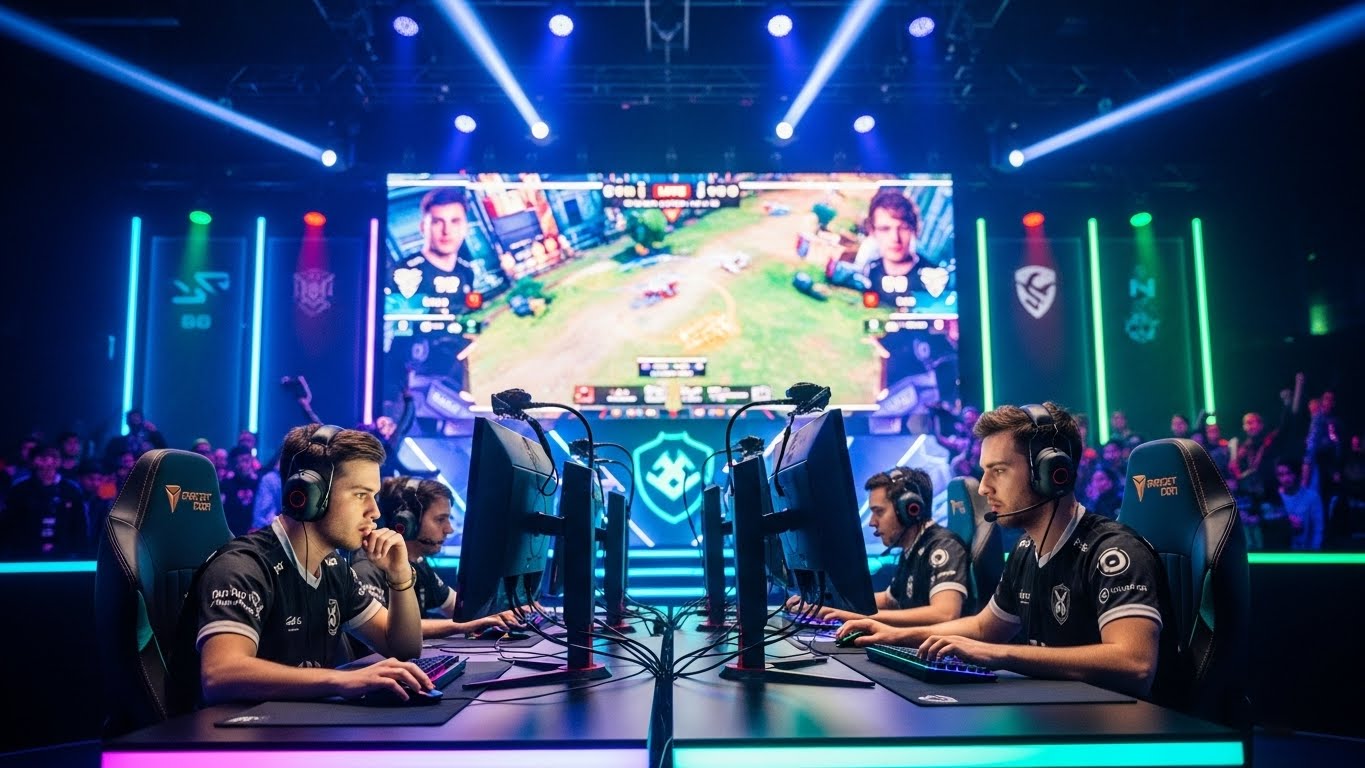
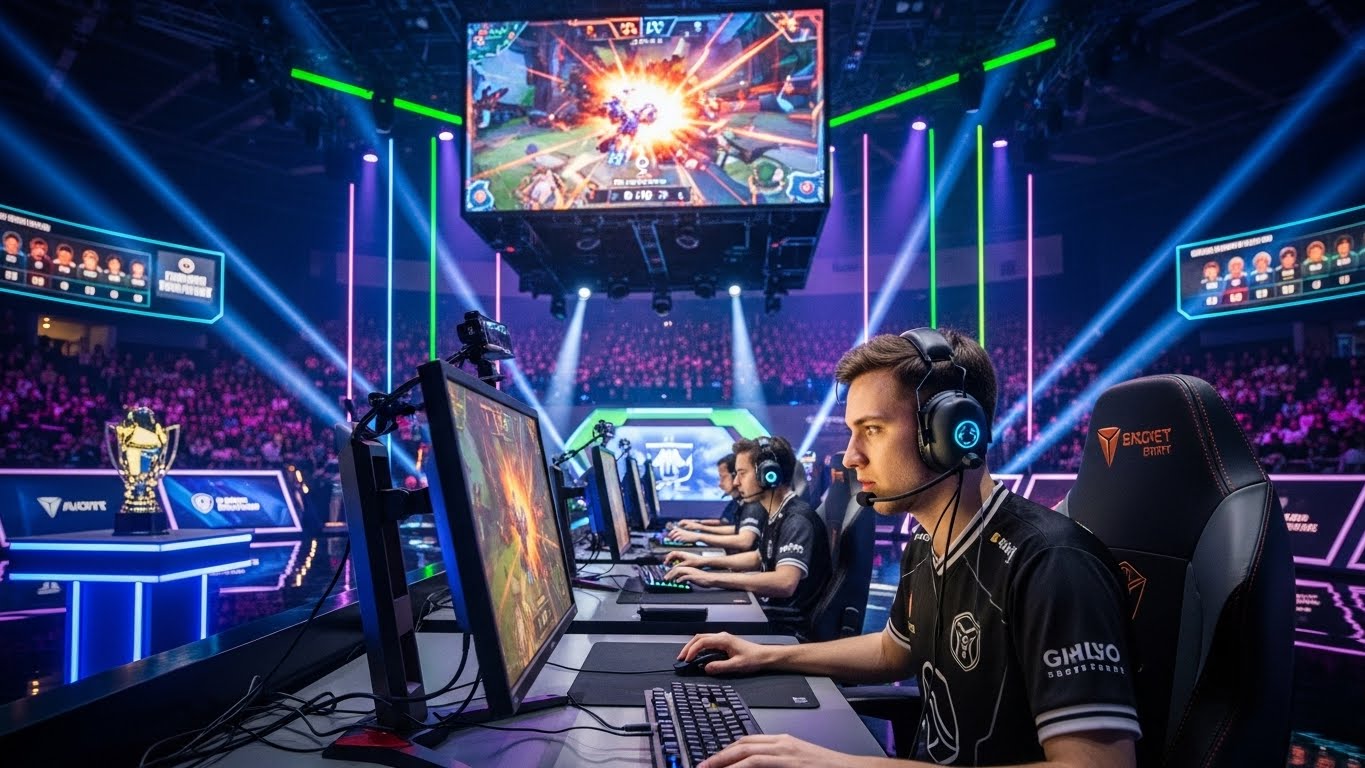
Esports has transformed from a niche hobby into a global phenomenon that rivals traditional sports in viewership, revenue, and cultural impact. What once began as friendly competitions among gamers has evolved into a professional industry featuring elite athletes, massive arenas, international tournaments, and millions of dedicated fans. Esports is no longer just about playing games; it is about entertainment, community, technology, and the future of competitive sport. This blog explores the evolution of esports, its ecosystem, cultural influence, challenges, and the road ahead.
The Origins of Competitive Gaming
The roots of esports trace back to the early days of video gaming, when players gathered in arcades and local events to compete for high scores and recognition. Early competitions were informal and community-driven, fueled by passion rather than profit. As home consoles and personal computers became more common, competitive gaming expanded beyond physical spaces and into online environments.
The introduction of online multiplayer games marked a turning point. Players could now compete against opponents across cities and countries, laying the foundation for organized competitive gaming. Early tournaments, modest in scale, demonstrated that gaming could be both competitive and entertaining to watch. These beginnings set the stage for esports to evolve into a structured and professional industry.
The Professionalization of Esports
As esports gained popularity, it began to adopt the structure of traditional sports. Professional teams formed, complete with coaches, analysts, managers, and training facilities. Players transitioned from casual competitors to full-time professionals, dedicating countless hours to practice, strategy, and performance improvement.
Tournaments grew in scale and organization, offering substantial prize pools and attracting global audiences. Esports leagues introduced seasonal formats, rankings, and championships, creating narratives that kept fans engaged throughout the year. Sponsorships and brand partnerships further legitimized esports, transforming it into a viable career path for players and support staff alike.
Esports Games and Competitive Genres
Esports encompasses a wide range of game genres, each with its own competitive dynamics and fan base. First-person shooters emphasize precision, reflexes, and teamwork. Multiplayer online battle arena games focus on strategy, coordination, and long-term planning. Real-time strategy games challenge players’ decision-making and adaptability, while sports simulation games mirror traditional athletics in digital form.
This diversity allows esports to appeal to a broad audience. Each genre offers unique viewing experiences, from fast-paced action to methodical, strategic gameplay. The variety of competitive formats ensures that esports remains dynamic and inclusive, attracting players and fans with different preferences and play styles.
The Role of Streaming and Media
Streaming platforms have been instrumental in the growth of esports. Live broadcasts allow fans to watch tournaments, follow their favorite players, and engage with content in real time. Commentary, analysis, and production quality have evolved significantly, creating professional broadcasts that rival traditional sports coverage.
Content creators and streamers play a vital role in expanding esports culture. By sharing gameplay, insights, and personal experiences, they bridge the gap between professional competition and casual audiences. Streaming has made esports more accessible, allowing fans to participate in the community regardless of location or background.
Esports as a Cultural Movement
Esports is more than competition; it is a cultural movement that connects people worldwide. Fans form communities around teams, players, and games, sharing a sense of identity and belonging. Online forums, social platforms, and live events foster interaction and collaboration, turning esports into a shared social experience.
Esports culture influences fashion, language, and entertainment trends. Team jerseys, gaming merchandise, and esports-inspired designs have become mainstream. Events often feature music, art, and performances, blending gaming with broader cultural expressions. This cultural integration highlights esports’ ability to transcend gaming and become a defining element of modern youth culture.
The Business of Esports
Behind the excitement lies a complex and rapidly growing business ecosystem. Esports revenue comes from multiple sources, including sponsorships, advertising, media rights, merchandise, and ticket sales. Brands invest heavily in esports to reach younger, digitally engaged audiences, recognizing its marketing potential.
Organizations operate as businesses, managing player contracts, branding, and long-term growth strategies. Tournament organizers, broadcasters, and technology providers contribute to a multifaceted industry that supports thousands of jobs worldwide. As investment continues to grow, esports is increasingly viewed as a sustainable and scalable business rather than a passing trend.
Player Life and Training
Professional esports players face intense demands similar to traditional athletes. High-level competition requires exceptional mechanical skill, game knowledge, teamwork, and mental resilience. Players often train for many hours a day, analyzing gameplay, practicing strategies, and refining coordination with teammates.
Mental health and physical well-being are becoming important topics in esports. Long practice hours, performance pressure, and public scrutiny can take a toll on players. Teams are increasingly incorporating wellness programs, physical exercise, and psychological support to ensure long-term performance and career sustainability. This holistic approach reflects the maturation of esports as a professional discipline.
Esports and Education
Esports is making its way into educational institutions, from schools to universities. Competitive gaming clubs and scholarships provide students with opportunities to develop skills such as teamwork, communication, leadership, and strategic thinking. Esports programs also introduce career pathways beyond playing, including event management, broadcasting, game design, and marketing.
Educational esports initiatives help legitimize gaming as a constructive activity. By integrating competition with learning and personal development, esports demonstrates its potential to contribute positively to academic and professional growth.
Global Reach and International Competition
One of esports’ greatest strengths is its global nature. Players and teams from different countries compete on equal footing, united by shared digital platforms. International tournaments bring together diverse cultures, fostering global connections and mutual respect through competition.
This global reach expands esports’ influence and audience. Fans follow teams across borders, and players become international icons. Esports showcases how digital competition can bridge geographical and cultural divides, creating a truly global sporting community.
Challenges Facing Esports
Despite its growth, esports faces several challenges. Issues such as player burnout, inconsistent regulation, cheating, and competitive integrity require ongoing attention. The rapid pace of change in games and technology can also create instability, as popular titles rise and fall in relevance.
Another challenge lies in ensuring inclusivity and diversity. Creating welcoming environments for players of all backgrounds is essential for sustainable growth. Addressing toxicity, harassment, and discrimination remains a priority for the esports community and industry leaders alike.
The Future of Esports
The future of esports looks promising and transformative. Advancements in technology, such as virtual reality, augmented reality, and enhanced data analytics, may redefine how competitions are played and viewed. Improved production techniques will make broadcasts more immersive, bringing fans closer to the action.
Esports is also likely to continue integrating with mainstream entertainment and traditional sports. Collaborations, hybrid events, and cross-industry partnerships will expand its reach and influence. As infrastructure, governance, and community support strengthen, esports will solidify its position as a permanent and powerful form of global competition.
Conclusion
Esports has evolved far beyond its origins as casual competitive gaming. It is now a global powerhouse that blends sport, entertainment, technology, and culture into a unique and dynamic experience. Through professionalization, community building, and technological innovation, esports has created new opportunities for players, fans, and industries alike.
As challenges are addressed and innovation continues, esports will play an increasingly important role in shaping the future of competition and digital culture. It represents a new era where skill, strategy, and passion converge on a global stage. Esports is not just the future of gaming; it is a defining force in modern entertainment, proving that competition beyond the screen can unite and inspire millions around the world.