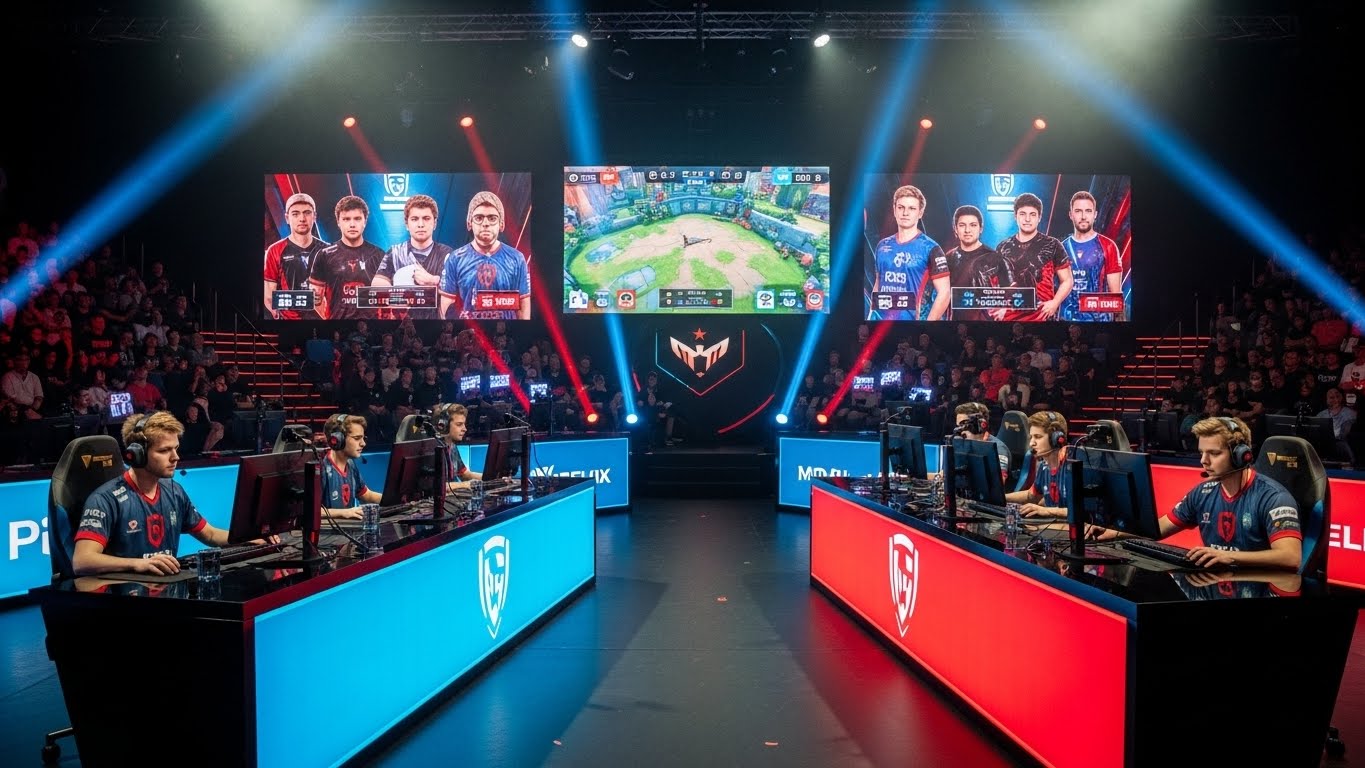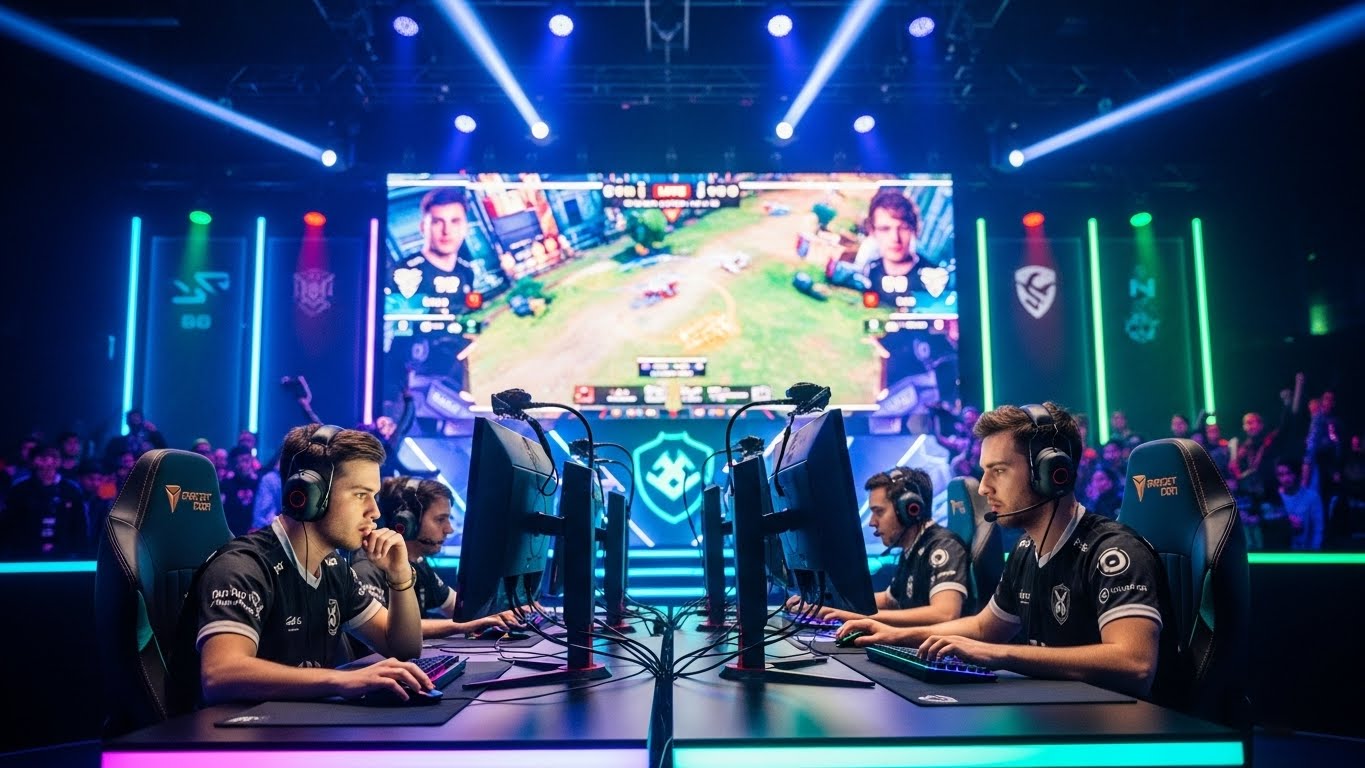
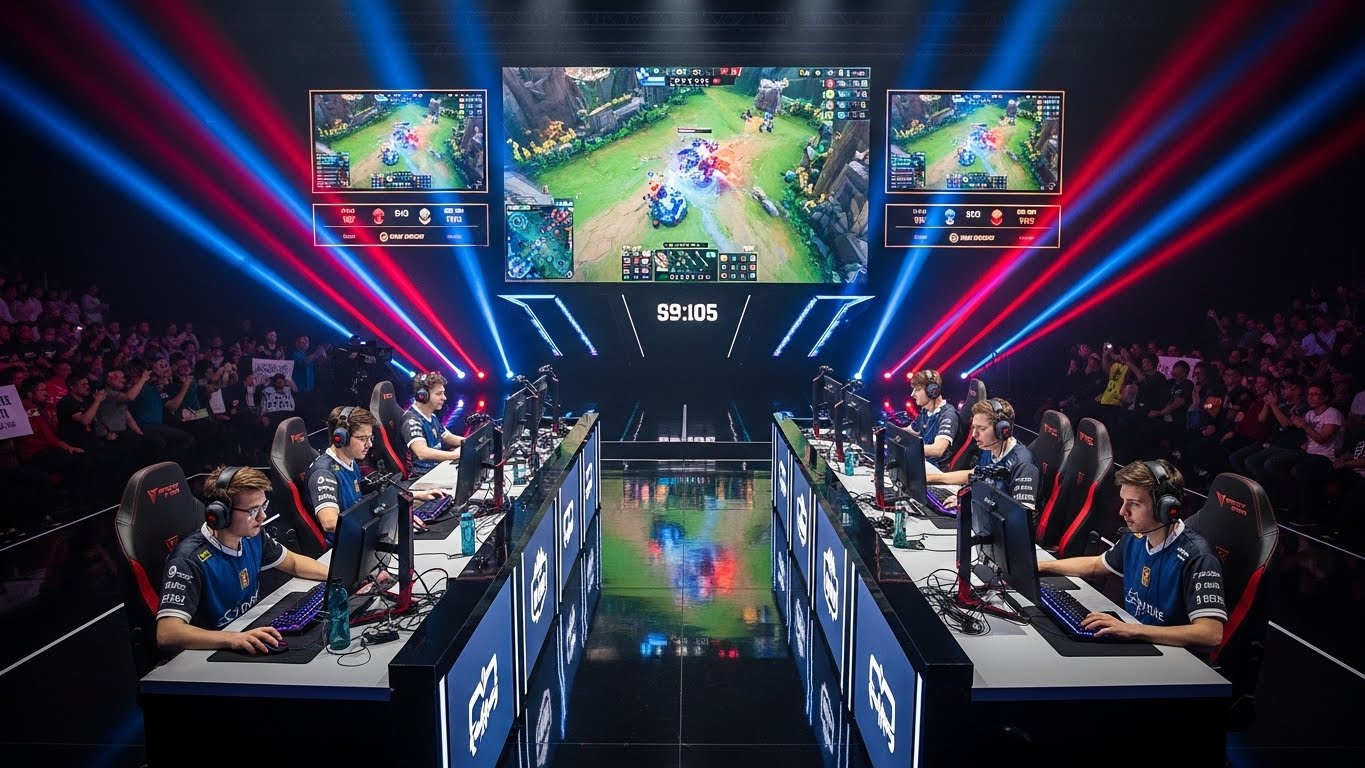
In the past decade, the world of gaming has undergone a seismic transformation. Once considered a niche hobby, video games have now emerged as a dominant force in entertainment and culture. Central to this evolution is esports, the competitive side of gaming that has captivated millions globally. Esports, or electronic sports, is more than just playing video games; it represents a professional, organized, and highly strategic form of competition that rivals traditional sports in popularity and influence. This blog explores the multifaceted world of esports, its rise, its impact on society, and what the future may hold for this burgeoning industry.
The Origins of Competitive Gaming
Competitive gaming is not a modern phenomenon. Its roots trace back to the late 1970s and early 1980s, when arcade competitions became popular in the United States and Japan. Early gaming tournaments often revolved around titles such as Space Invaders and Pac-Man. These events were informal, community-driven, and often held in arcades or local gaming centers. However, the concept of organized gaming competition gradually gained traction as technology improved and home consoles became more prevalent.
The 1990s marked a pivotal period in competitive gaming. With the rise of PC gaming and online connectivity, games like StarCraft, Counter-Strike, and Quake laid the foundation for modern esports. These titles demanded not only skill and reflexes but also strategy, teamwork, and mental agility. Players began forming teams, hosting leagues, and streaming their matches, giving birth to the esports community we recognize today.
Understanding Esports as a Professional Industry
Esports has evolved into a highly professionalized industry that encompasses players, teams, coaches, analysts, event organizers, sponsors, and broadcasters. Unlike casual gaming, professional esports requires rigorous training, strategy development, and a deep understanding of game mechanics. Many players dedicate eight to twelve hours a day to practice, often with physical and mental conditioning programs similar to those of traditional athletes.
Teams in esports operate much like sports franchises. They have management, branding, sponsorship deals, and marketing strategies. Professional players can earn significant salaries through tournament winnings, sponsorships, and streaming platforms. Major esports tournaments now offer prize pools in the millions, attracting global audiences and media coverage comparable to the Super Bowl or the FIFA World Cup.
Popular Esports Games and Genres
Esports is not limited to a single type of game. Instead, it spans multiple genres, each with its own unique audience and competitive structure. Multiplayer Online Battle Arena (MOBA) games such as League of Legends and Dota 2 dominate the esports scene due to their strategic depth and team-oriented gameplay. First-Person Shooter (FPS) games like Counter-Strike: Global Offensive and Valorant emphasize precision, reflexes, and tactical coordination.
Other genres, including real-time strategy, fighting games, and sports simulations, also play significant roles in the esports ecosystem. Titles like Street Fighter, FIFA, and Rocket League cater to diverse gaming communities, offering opportunities for players with different skill sets. The variety of games ensures that esports appeals to a broad audience, from hardcore strategists to casual sports fans.
The Global Esports Audience
The growth of esports has been fueled by its global audience. According to recent estimates, over 500 million people watch esports regularly, with numbers steadily increasing each year. This audience is not limited to any particular age group or demographic. While young adults dominate the viewership, older gamers and non-gamers alike have become increasingly engaged due to the professional presentation of tournaments and the accessibility of streaming platforms.
Streaming platforms like Twitch, YouTube Gaming, and regional services provide fans with access to live matches, player commentary, and behind-the-scenes content. Social media amplifies engagement, allowing fans to follow their favorite teams, participate in discussions, and even influence the culture surrounding competitive gaming. The interactive nature of esports sets it apart from traditional sports, making the audience feel like an integral part of the experience.
The Economic Impact of Esports
Esports is more than entertainment; it is a significant economic force. The industry generates revenue through multiple streams, including sponsorships, advertising, merchandise, ticket sales, and media rights. Global brands from technology, apparel, and food industries invest heavily in esports, recognizing its potential to reach a highly engaged and tech-savvy audience.
Esports has also created jobs beyond competitive players. Event organizers, analysts, commentators, coaches, graphic designers, and marketing specialists all contribute to the ecosystem. Universities and institutions have even begun offering esports scholarships and degree programs, reflecting the sector’s growing legitimacy and economic importance. The financial stakes and job opportunities highlight esports as a sustainable career path, both for players and professionals supporting the industry.
Training and Discipline in Esports
The notion that gaming is purely recreational has been shattered by the professionalism of esports. Competitive players treat gaming as a career, requiring discipline, strategy, and mental toughness. Training regimens often include strategy review, mechanical skill drills, teamwork exercises, and psychological conditioning. Nutrition, exercise, and sleep hygiene are also emphasized to maintain peak performance during tournaments.
Unlike casual gamers, professional esports players must develop both individual excellence and synergy with their team. This dual focus fosters leadership, communication, and conflict resolution skills, all of which are transferable to other areas of life. Esports, in this way, combines the mental and physical preparation of traditional sports with the digital skills required in the modern era.
Challenges Facing the Esports Industry
Despite its rapid growth, esports faces several challenges that could shape its future. One of the primary issues is sustainability. Many esports organizations struggle with financial stability, relying heavily on sponsorships and tournament winnings that can fluctuate year to year. Player burnout is another concern. The intense training schedules, high expectations, and public scrutiny can lead to mental health issues, necessitating better support systems for athletes.
Additionally, esports grapples with regulatory and ethical challenges. Issues such as cheating, match-fixing, and doping require vigilant oversight to maintain credibility. The lack of standardized governance across regions can create inconsistencies in competitive rules and player treatment, highlighting the need for unified industry standards.
Esports and Cultural Influence
Esports has not only transformed gaming but has also impacted wider culture. Professional players have become celebrities, influencers, and role models for millions. Gaming culture, once marginalized, now intersects with fashion, music, and entertainment. Merchandise, collaborations, and esports-themed content have blurred the lines between digital and mainstream culture.
Esports also promotes inclusivity and diversity. Players from different countries, backgrounds, and genders compete on equal footing, challenging traditional stereotypes about athletes and gaming communities. Online platforms facilitate global participation, fostering cultural exchange and collaboration that transcends geographical boundaries.
The Future of Esports
The trajectory of esports suggests continued growth and integration into mainstream entertainment. Emerging technologies such as virtual reality, augmented reality, and artificial intelligence have the potential to revolutionize gameplay, spectator experiences, and training methods. Mobile esports, already popular in regions like Asia, is expanding globally, making competitive gaming accessible to anyone with a smartphone.
Moreover, esports may increasingly collaborate with traditional sports. Hybrid events, cross-promotional campaigns, and esports adaptations of physical sports are already gaining traction. The professionalization of esports is likely to continue, with improved infrastructure, athlete support systems, and global recognition, potentially leading to inclusion in events like the Olympics in some capacity.
Conclusion
Esports has grown from humble arcade beginnings into a global phenomenon with professional teams, massive audiences, and significant economic impact. It represents a fusion of skill, strategy, and entertainment that challenges traditional notions of sports and celebrity. As technology evolves and gaming culture continues to expand, esports will likely play an even more influential role in shaping the future of entertainment, competition, and community.
The story of esports is far from over. It is a testament to human creativity, resilience, and the universal appeal of competition. Whether you are a player, a fan, or a curious observer, esports offers a glimpse into a rapidly changing world where digital skills, teamwork, and passion converge. Beyond the screen lies a universe of possibilities, and esports is leading the charge into this exciting frontier.