Esports, short for electronic sports, has evolved from a niche hobby into a global phenomenon over the past two decades. What was once limited to small communities of gamers has now transformed into a professional industry, complete with massive tournaments, sponsorship deals, and professional players earning six-figure salaries. This digital revolution has changed the way people perceive competition, entertainment, and even career opportunities. In this blog, we explore the world of esports, its rise, impact, challenges, and future prospects.
The Rise of Esports
The origins of competitive gaming date back to the 1970s and 1980s with arcade competitions and early video game tournaments. However, the rise of the internet and streaming platforms in the 2000s accelerated esports to unprecedented levels. Games like StarCraft, Counter-Strike, and Dota 2 laid the foundation for organized competitions and online communities.
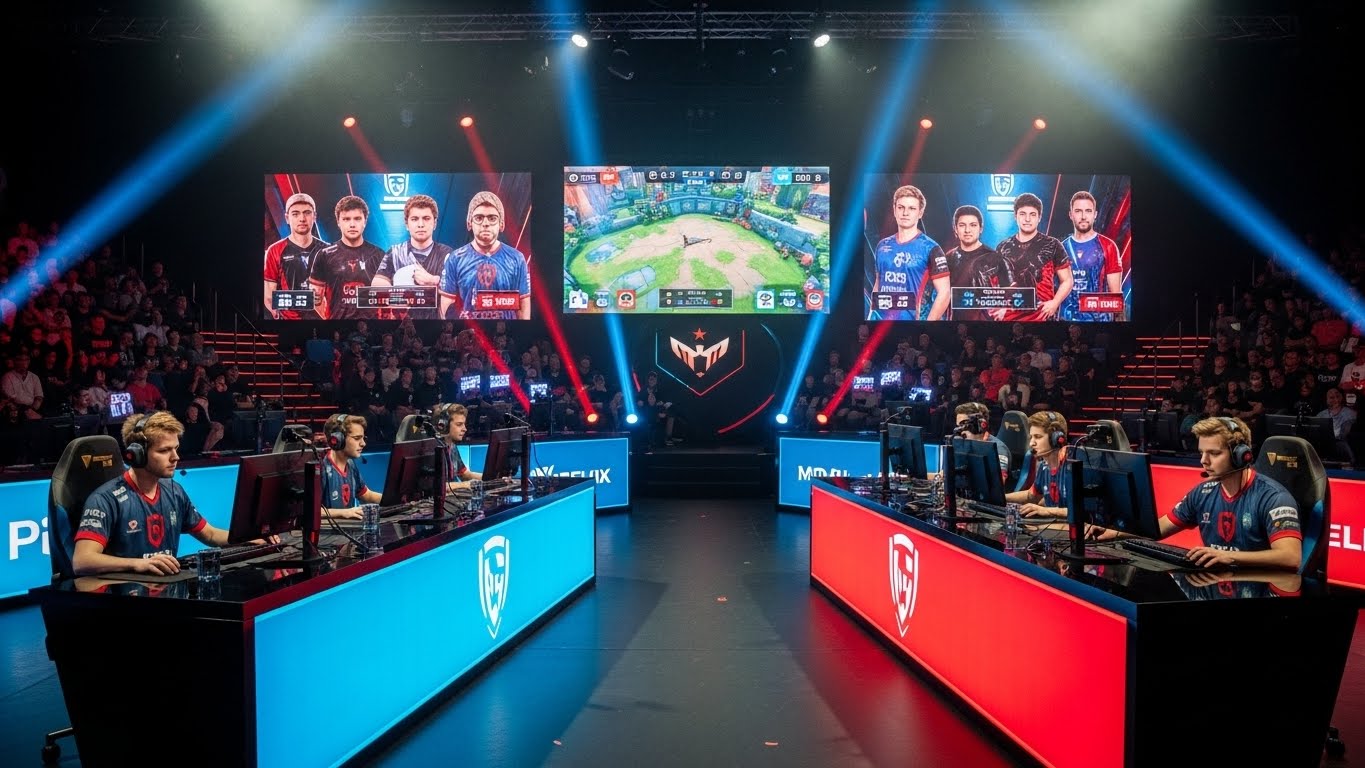
Today, esports encompasses a wide variety of genres, from real-time strategy games and first-person shooters to battle royale games and sports simulations. Titles such as League of Legends, Fortnite, and Call of Duty dominate the esports scene, attracting millions of players and viewers worldwide. Major tournaments are now held in stadiums filled with fans, with prize pools rivaling traditional sports competitions. The growth of esports has proven that digital competition can command the same attention, passion, and excitement as traditional athletic events.
Esports as a Professional Career
One of the most striking aspects of esports is its emergence as a legitimate career path. Professional gamers are now able to earn substantial incomes through tournament winnings, team salaries, streaming revenue, and brand endorsements. In addition to players, esports has created career opportunities in coaching, broadcasting, event management, marketing, and game development.
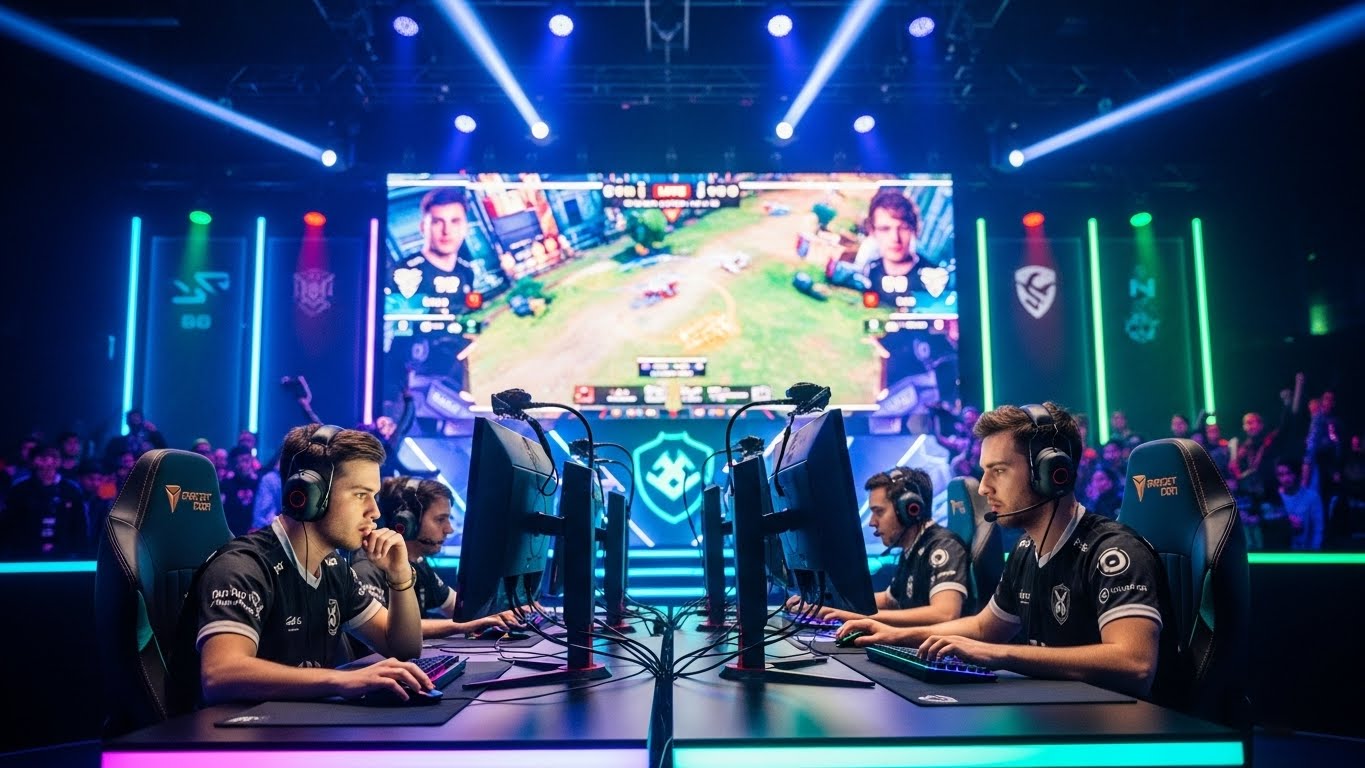
The professionalization of esports has also led to structured training regimes similar to traditional sports. Top-tier players spend hours daily practicing strategies, improving reflexes, and studying opponents. Esports organizations provide support in the form of nutritionists, psychologists, and analysts, highlighting the serious dedication required to succeed. For aspiring gamers, esports offers a pathway to turn passion into profession while challenging societal perceptions of gaming as a mere pastime.
The Global Audience of Esports
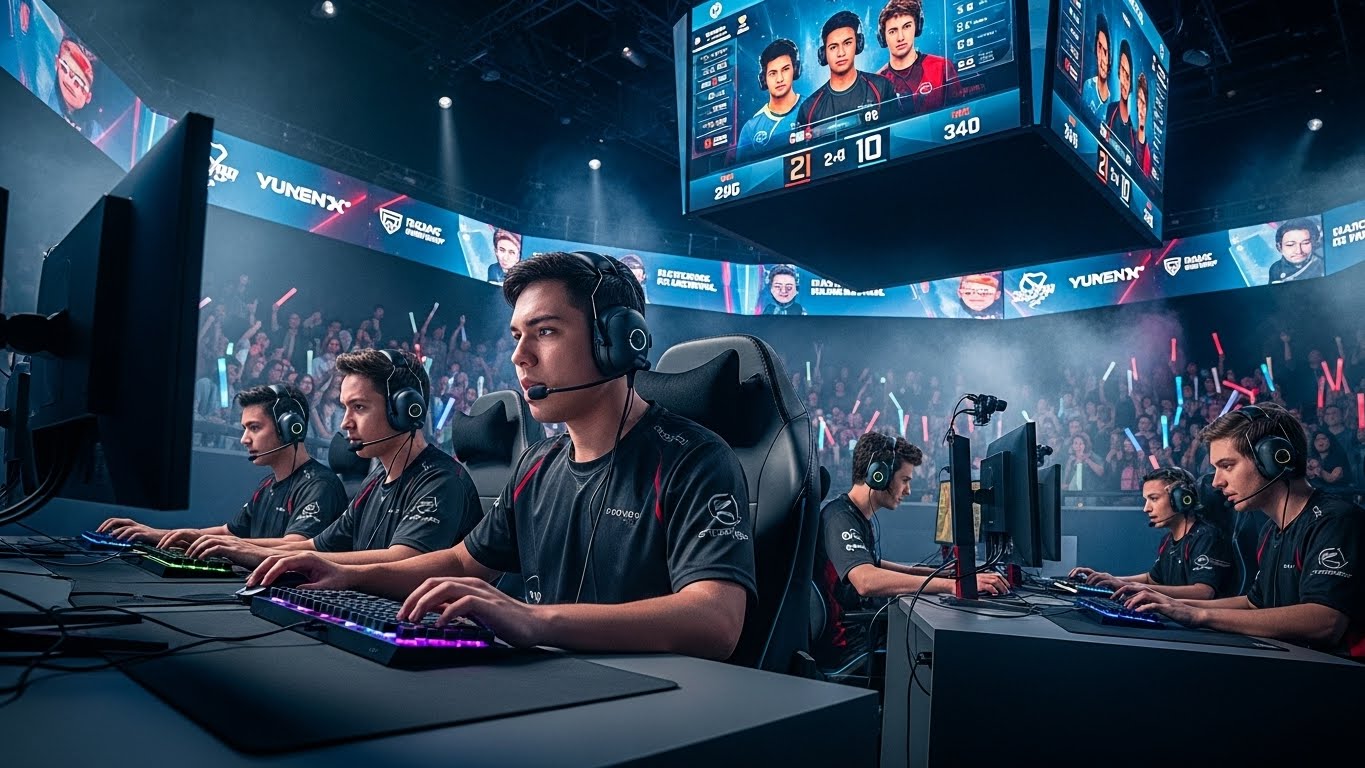
Esports has cultivated a massive global audience, with millions of fans watching live streams and tournaments every day. Platforms such as Twitch, YouTube Gaming, and other streaming services allow fans to connect with their favorite players, watch competitions in real-time, and engage with communities. The interactive nature of esports creates a sense of belonging and excitement for fans, as they can influence games through discussions, fan content, and live reactions.
Major esports events now attract audiences comparable to those of traditional sports leagues. The League of Legends World Championship, for example, draws tens of millions of viewers, while Dota 2’s The International offers a prize pool of over thirty million dollars. Esports fans are passionate, dedicated, and diverse, making the industry an attractive space for sponsors, advertisers, and brands looking to engage with a younger, tech-savvy demographic.
The Role of Technology in Esports
Technology is the backbone of esports. High-performance computers, gaming consoles, fast internet connections, and advanced peripherals ensure competitive integrity and optimal performance. Beyond hardware, software advancements in streaming, analytics, and game design have transformed esports into a sophisticated ecosystem.
Data analytics plays a critical role in modern esports. Teams analyze gameplay footage to identify patterns, strengths, and weaknesses, similar to traditional sports teams studying match statistics. Artificial intelligence and machine learning are now being used to simulate opponents and create training programs, elevating the level of competition. Technology has made esports more immersive, accessible, and professional, bridging the gap between casual gaming and elite competition.
Esports and Youth Culture
Esports has had a significant influence on youth culture, shaping entertainment, social interactions, and lifestyle choices. Gaming communities offer a sense of belonging, where players can collaborate, compete, and share experiences. For many young people, esports is not only a source of fun but also a platform for skill development, teamwork, and strategic thinking.
Schools and universities around the world have started recognizing esports as an educational and extracurricular activity. Some institutions offer scholarships for talented esports players, integrating gaming into academic programs and fostering both competitive and intellectual growth. Esports also teaches time management, discipline, and resilience, equipping young people with skills applicable beyond gaming.
Health Considerations in Esports
While esports offers numerous benefits, it also comes with health considerations that players and organizations must address. Extended screen time, sedentary behavior, and repetitive movements can lead to physical issues such as eye strain, back problems, and carpal tunnel syndrome. Mental health challenges, including stress, burnout, and anxiety, are common among professional players due to the high-pressure environment.
To combat these risks, esports organizations emphasize structured training schedules, physical exercise, proper nutrition, and mental health support. Professional players are encouraged to maintain a balance between gaming and other aspects of life, ensuring long-term well-being. Awareness of health considerations is essential for sustaining both individual careers and the growth of the esports industry.
Esports and Diversity
One of the notable aspects of esports is its inclusivity and diversity. Unlike many traditional sports, esports does not rely on physical attributes such as height, strength, or gender. This creates opportunities for a wide range of individuals to compete at high levels. Female gamers, players with disabilities, and international participants have increasingly found a place in the competitive scene.
Organizations and communities are actively promoting diversity and inclusion through initiatives, tournaments, and mentorship programs. By breaking down barriers and challenging stereotypes, esports has the potential to foster a more equitable and global competitive landscape, setting an example for other industries.
Challenges Facing Esports
Despite its rapid growth, esports faces several challenges. The lack of standardized regulations across games and regions can lead to disputes, cheating, and unfair practices. Issues such as online toxicity, harassment, and gambling concerns pose risks to players and fans alike. Additionally, the heavy reliance on sponsors and fluctuating viewer engagement can create financial instability for teams and events.
Addressing these challenges requires cooperation between game developers, organizers, players, and regulatory bodies. Establishing clear rules, promoting ethical conduct, and creating supportive communities are essential for sustaining the credibility and long-term growth of esports.
The Future of Esports
The future of esports looks promising, with continuous expansion into new regions, platforms, and gaming genres. Emerging technologies such as virtual reality, augmented reality, and cloud gaming are expected to redefine competition, fan engagement, and accessibility. Esports is also likely to gain further recognition from educational institutions, governments, and mainstream media, solidifying its status as a legitimate form of professional sport and entertainment.
Additionally, esports is poised to become more integrated with traditional sports, with collaborations, hybrid events, and cross-industry sponsorships. This convergence highlights the versatility of esports as both a competitive and cultural phenomenon, bridging the digital and physical worlds in unprecedented ways.
Conclusion: Esports as a Cultural and Competitive Force
Esports has grown from small online competitions into a global industry that shapes entertainment, culture, and careers. It offers opportunities for professional growth, personal development, and community building while embracing technology and innovation. While challenges such as health risks, regulation, and inclusion remain, the industry continues to evolve rapidly, providing a platform for millions of players and fans worldwide.
As esports continues to gain mainstream recognition, it represents more than just gaming. It is a cultural movement, a competitive arena, and a source of inspiration for the next generation. By celebrating skill, strategy, and teamwork, esports demonstrates the transformative potential of digital competition in the modern era. The rise of esports signifies a new frontier in the world of sports and entertainment, one where virtual achievements carry real-world impact, shaping the future of global competition.