Introduction: The Dawn of Competitive Gaming
Esports, short for electronic sports, has transformed competitive gaming from a niche hobby into a global phenomenon. Once limited to small tournaments and local gaming communities, esports now attracts millions of viewers, sponsors, and professional players worldwide. With high-stakes competitions, global fanbases, and multimillion-dollar prize pools, esports has redefined the concept of sports in the digital age. This blog explores the evolution, impact, and future of esports, highlighting why it has become one of the fastest-growing industries in entertainment.
The History and Evolution of Esports
Esports has humble beginnings, tracing back to the 1970s and 1980s when players competed in arcade games and early home console challenges. Titles like Pong and Space Invaders sparked local competitions, laying the foundation for organized gaming. The 1990s brought the rise of PC gaming and internet connectivity, enabling multiplayer tournaments and the growth of communities around games like StarCraft and Counter-Strike.
The 2000s saw professional leagues emerge, with games like Dota, League of Legends, and Call of Duty drawing international attention. Live streaming platforms later transformed esports into a spectator sport, allowing millions to watch competitive matches in real-time. Today, esports is a sophisticated industry with structured leagues, professional teams, coaching staff, and sponsorship deals rivaling traditional sports.
Popular Esports Titles and Genres
Esports spans a variety of genres, each with unique appeal and competitive strategies. Multiplayer online battle arenas (MOBAs), such as League of Legends and Dota 2, require strategic teamwork, quick thinking, and precise execution. First-person shooters (FPS) like Counter-Strike: Global Offensive and Valorant emphasize precision, reflexes, and tactical planning.
Battle royale games, including Fortnite and PUBG, combine survival instincts with fast-paced action, while sports simulations like FIFA and NBA 2K attract fans of traditional sports. Fighting games, card games, and real-time strategy titles also have dedicated competitive communities. The diversity of genres ensures that esports can appeal to a wide range of players and audiences worldwide.
The Esports Ecosystem: Players, Teams, and Organizations
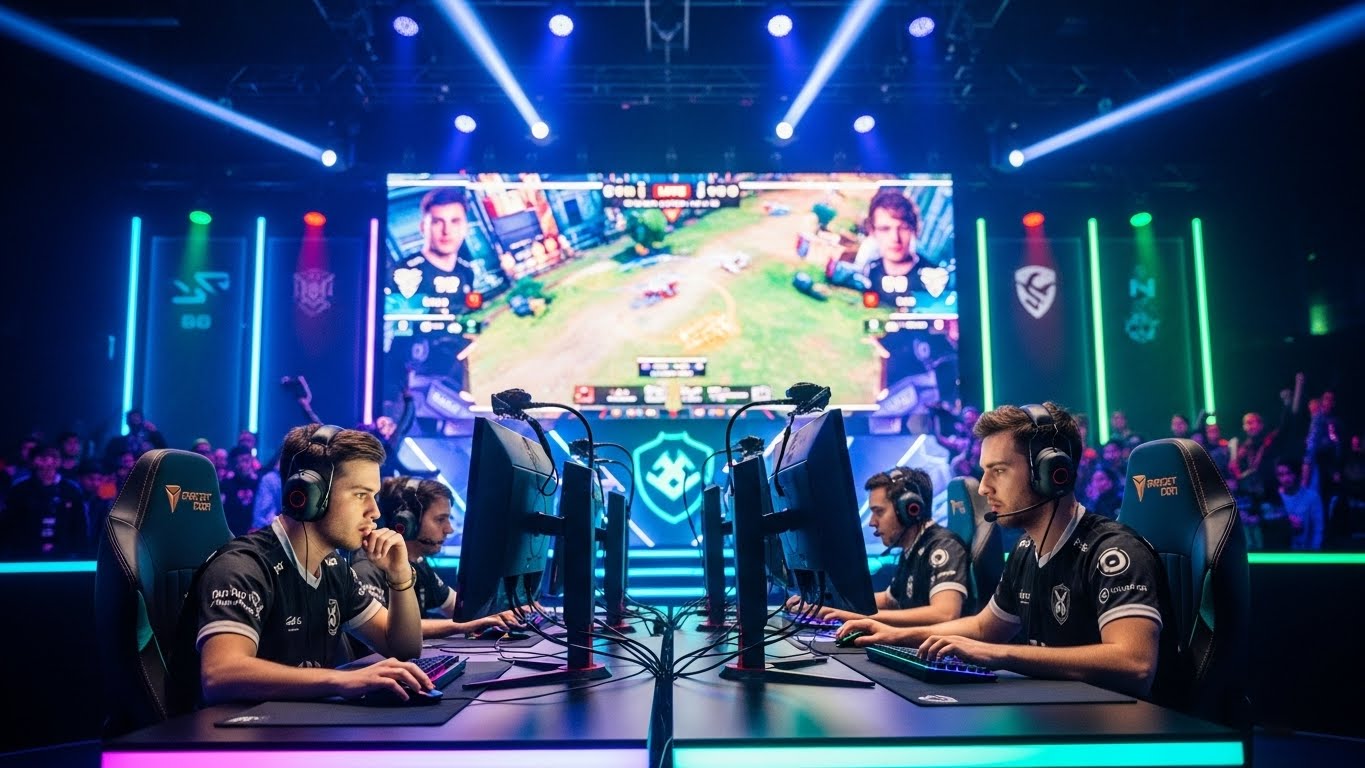
Professional esports players are more than gamers; they are athletes in a digital arena. Players train for hours daily, honing their reflexes, strategies, and teamwork skills. Professional teams operate like traditional sports clubs, with coaches, analysts, and support staff to optimize performance.
Esports organizations manage branding, sponsorships, and marketing, ensuring visibility and revenue growth. Major organizations like Team Liquid, Fnatic, and T1 have become household names, representing competitive excellence and professional professionalism. The structured ecosystem elevates esports beyond casual gaming, making it a serious career path for talented players.
The Role of Streaming and Content Creation
Streaming platforms have been instrumental in the growth of esports. Platforms like Twitch, YouTube Gaming, and others allow fans to watch tournaments, live matches, and practice sessions. Streamers and content creators provide commentary, tutorials, and entertainment, building strong communities around their favorite games.
Content creation also allows players to interact with fans, showcasing personalities, strategies, and behind-the-scenes insights. This interaction enhances fan engagement and creates a personal connection between players and audiences, which is a key factor in the rapid growth of esports popularity.
Esports as a Spectator Sport
Watching esports is an experience that combines excitement, strategy, and community. Unlike traditional sports, esports often provides real-time statistics, tactical analysis, and direct player perspectives, giving spectators a deeper understanding of gameplay.
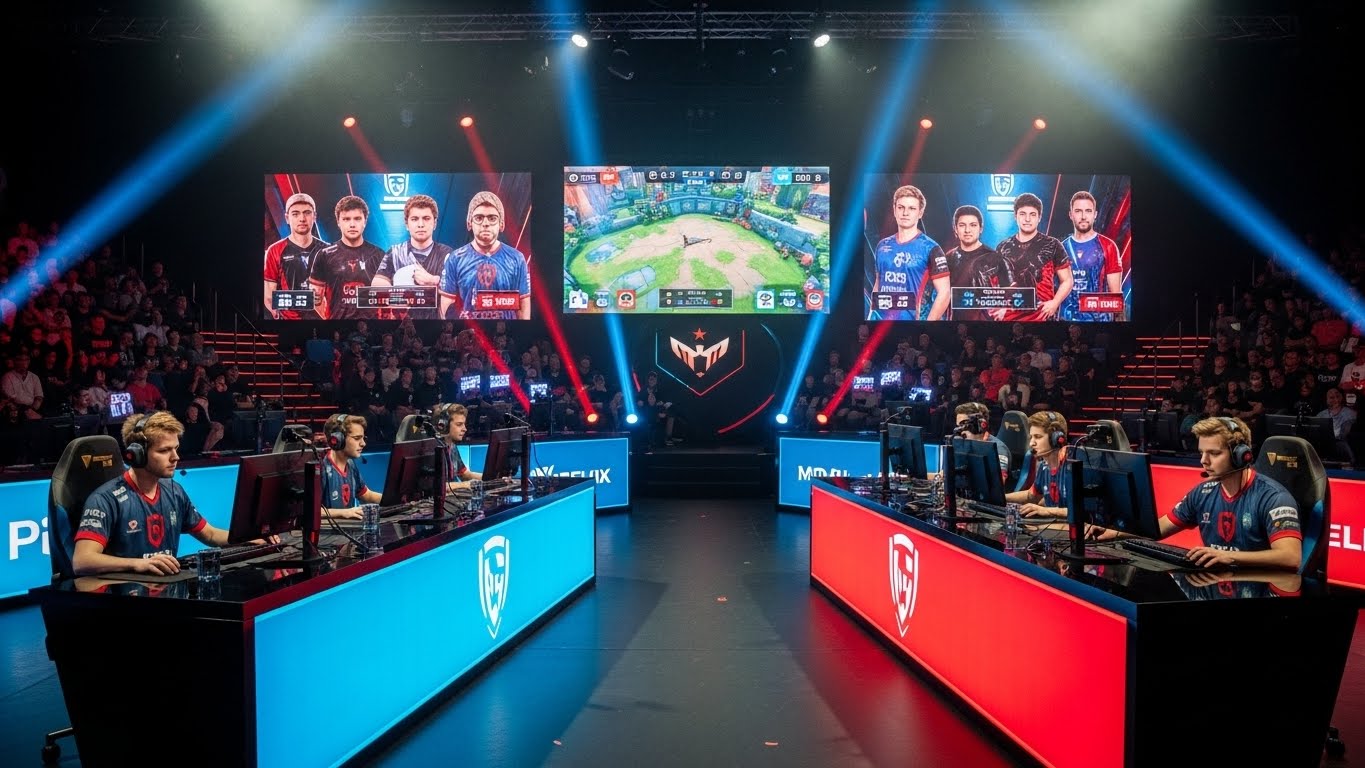
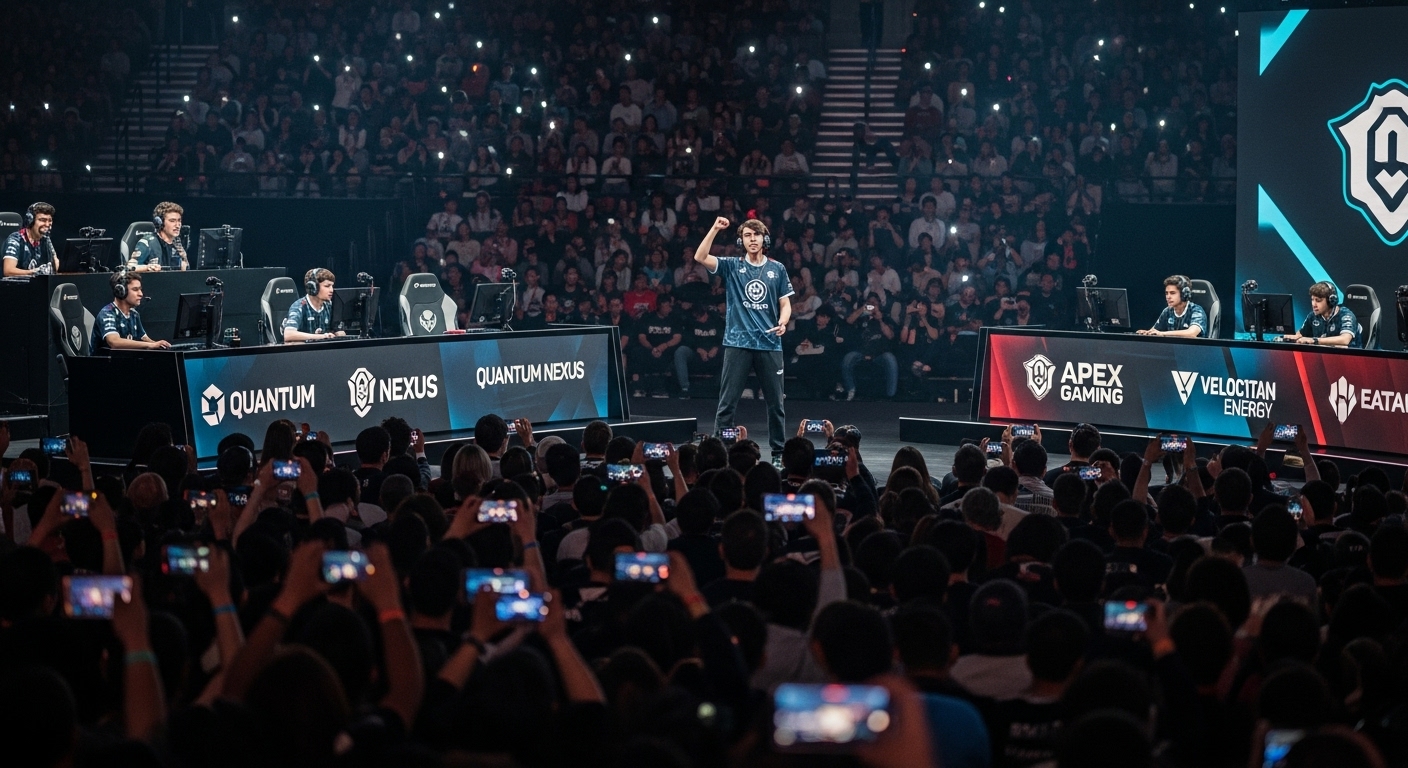
Major tournaments fill arenas, with live audiences cheering alongside millions of online viewers. Championships like The International, League of Legends World Championship, and EVO attract global attention, highlighting the competitive spirit and spectacle of esports. The thrilling nature of matches, unexpected outcomes, and display of elite skill keep audiences captivated.
Economic Impact and Sponsorship
Esports has grown into a multibillion-dollar industry, attracting sponsorships from global brands, media deals, and merchandising opportunities. Companies sponsor teams, tournaments, and content creators to reach engaged audiences that are often younger and tech-savvy.
Prize pools in major tournaments have reached tens of millions of dollars, offering life-changing rewards for players. The economic impact extends to event organizers, production teams, streaming platforms, and merchandise, creating a sustainable industry that continues to expand annually.
Esports and Education
The rise of esports has influenced education as well. Many universities and colleges now offer esports programs, scholarships, and competitive teams. These programs teach teamwork, strategic thinking, communication, and digital skills, providing students with opportunities for careers in gaming and technology.
Esports in education promotes discipline, time management, and leadership, while also offering a platform for students to engage socially and creatively. This integration highlights the recognition of esports as a legitimate and valuable pursuit in academic and professional contexts.
The Community Aspect of Esports
Community is a cornerstone of esports. Online forums, fan groups, and social media platforms create spaces for fans to connect, discuss strategies, and celebrate achievements. These communities foster inclusivity, mentorship, and shared passion, allowing players and fans to build relationships across geographical boundaries.
Esports communities also contribute to the growth of the industry by providing feedback, promoting events, and creating a culture that supports competitive gaming. This sense of belonging strengthens the connection between fans and the esports ecosystem.
Challenges Facing the Esports Industry
Despite its rapid growth, esports faces challenges. Player burnout and mental health are significant concerns due to intense training schedules and competitive pressure. The industry must also address issues such as fair play, cheating, and toxicity within online communities.
Monetization models and sustainability are ongoing considerations, as the industry seeks to balance growth with accessibility and fairness. Additionally, esports must continue advocating for recognition alongside traditional sports, overcoming skepticism from some audiences and institutions.
The Future of Esports
The future of esports is poised for expansion and innovation. Virtual reality, augmented reality, and cloud gaming promise new ways to compete and engage audiences. Esports leagues are expanding globally, reaching new markets in Asia, Europe, and the Americas.
Integration with mainstream media, traditional sports partnerships, and increased educational opportunities will further solidify esports as a respected and sustainable industry. The growth trajectory indicates that esports will continue to redefine how people perceive competition, entertainment, and digital interaction.
Conclusion: Esports as a Cultural Phenomenon
Esports has evolved from a niche hobby to a global cultural phenomenon, blending competition, entertainment, and technology. It provides thrilling experiences for players and spectators alike, fosters global communities, and offers economic opportunities comparable to traditional sports.
The digital arena of esports represents more than just gaming; it is a platform for skill, strategy, creativity, and social connection. As technology advances and audiences continue to grow, esports will remain at the forefront of entertainment, inspiring future generations to compete, innovate, and connect in ways never imagined before.