Esports has emerged as one of the most dynamic and influential industries of the 21st century, rapidly redefining the concept of sports, entertainment, and digital culture. What was once a niche hobby for a small group of gamers has now grown into a multi-billion-dollar global industry that attracts millions of viewers, players, and investors. With professional tournaments, streaming platforms, and massive sponsorship deals, esports has become a cultural force that rivals traditional sports in terms of its reach, engagement, and economic impact. But how did esports go from a small-scale phenomenon to an international powerhouse? In this blog post, we will explore the evolution of esports, its cultural impact, and the factors driving its rise in popularity across the globe.
The Origins of Esports: From Arcade Games to Competitive Play
The concept of competitive gaming isn’t new; in fact, it dates back to the early days of video gaming in the 1970s. While most people associate esports with modern games and tournaments, the roots of competitive gaming can be traced back to arcade games like “Space Invaders” and “Pong.” These early games provided a foundation for multiplayer experiences, but it wasn’t until the 1990s that competitive gaming began to take form in a more structured way.
In the mid-1990s, the rise of online multiplayer games like “Quake” and “StarCraft” set the stage for the modern esports landscape. Players were now able to compete against each other over the internet, a significant step forward in terms of accessibility and global reach. These games became the breeding ground for the first esports tournaments, with fans gathering in local LAN (Local Area Network) parties and competitions to showcase their skills.
As the years went on, more organized esports events began to take place. The late 1990s and early 2000s saw the birth of the first international tournaments, such as the World Cyber Games (WCG) and the Electronic Sports World Cup (ESWC). These competitions attracted the best players from around the world and established the concept of professional esports. Although these early tournaments were small in comparison to today’s grand-scale events, they set the foundation for what would become a booming global industry.
The Rise of Streaming: Twitch and the Global Audience
One of the most significant factors contributing to the rapid growth of esports has been the rise of streaming platforms. Before the advent of services like Twitch, esports was a niche activity primarily followed by those involved in the gaming community. Watching competitive gaming required attending events in person or catching sporadic broadcasts on television, a limited and often inconvenient way for fans to engage with the action.
The launch of Twitch in 2011 marked a turning point for esports. Twitch was specifically designed to be a platform where users could stream video game content live, offering a direct connection between gamers and their audience. This democratization of gaming content made it easier for players to share their skills, build fanbases, and interact with viewers in real time. As a result, esports went from being an event limited to those who could physically attend to a global spectacle, accessible to anyone with an internet connection.
With Twitch’s rise, competitive gaming began to gain mainstream attention. Players, teams, and tournament organizers realized that they could reach millions of people worldwide through live streams, enabling fans to watch the action from anywhere in the world. The platform allowed esports to break free from its geographical constraints and attract new audiences across diverse regions.
Twitch also played a key role in establishing esports as a legitimate career. Professional gamers began using the platform to grow their personal brands, stream their gameplay, and interact with fans. Top-tier esports players were able to earn money not just from tournament winnings but also through sponsorships, subscriptions, donations, and ad revenue generated from their streams. As the platform grew, so did the financial opportunities for players, creating a new economy around competitive gaming.
The Economic Impact of Esports: Sponsorships, Prize Pools, and Media Rights
Esports has become a multi-billion-dollar industry, driven by multiple revenue streams that extend far beyond tournament prize money. While sponsorships have always been a key part of the traditional sports landscape, esports has taken this to the next level. Companies like Intel, Coca-Cola, Red Bull, and Nike have all invested heavily in esports, either by sponsoring major tournaments, partnering with teams, or promoting products through influencers and content creators.
Sponsorships are a major source of revenue for esports events and teams. Large-scale tournaments, such as “The International” (Dota 2’s annual championship) and the “League of Legends World Championship,” feature huge prize pools, with millions of dollars up for grabs. The International, for instance, has consistently boasted the largest prize pools in esports history, with its 2021 prize pool reaching over $40 million. This funding is often crowd-sourced through in-game purchases, where players buy items that contribute to the prize pool, creating a sense of community involvement in the competition.
Esports is also benefiting from broadcasting rights, much like traditional sports. Major media companies, including ESPN, YouTube, and Facebook Gaming, have begun securing exclusive rights to air esports events. These deals bring in additional revenue and help elevate esports to a level of mainstream legitimacy. As viewership continues to grow, the demand for broadcasting rights has surged, and with it, the overall value of esports events.
The integration of esports with traditional sports has also driven economic growth. Professional sports teams and organizations are increasingly investing in esports, either by creating their own esports divisions or by purchasing shares in existing esports organizations. For example, NBA teams like the Golden State Warriors and the Cleveland Cavaliers have entered the esports space by acquiring stakes in esports teams. These cross-industry collaborations are helping esports become more mainstream and are pushing the industry toward further growth.
The Life of an Esports Player: Training, Performance, and Pressure
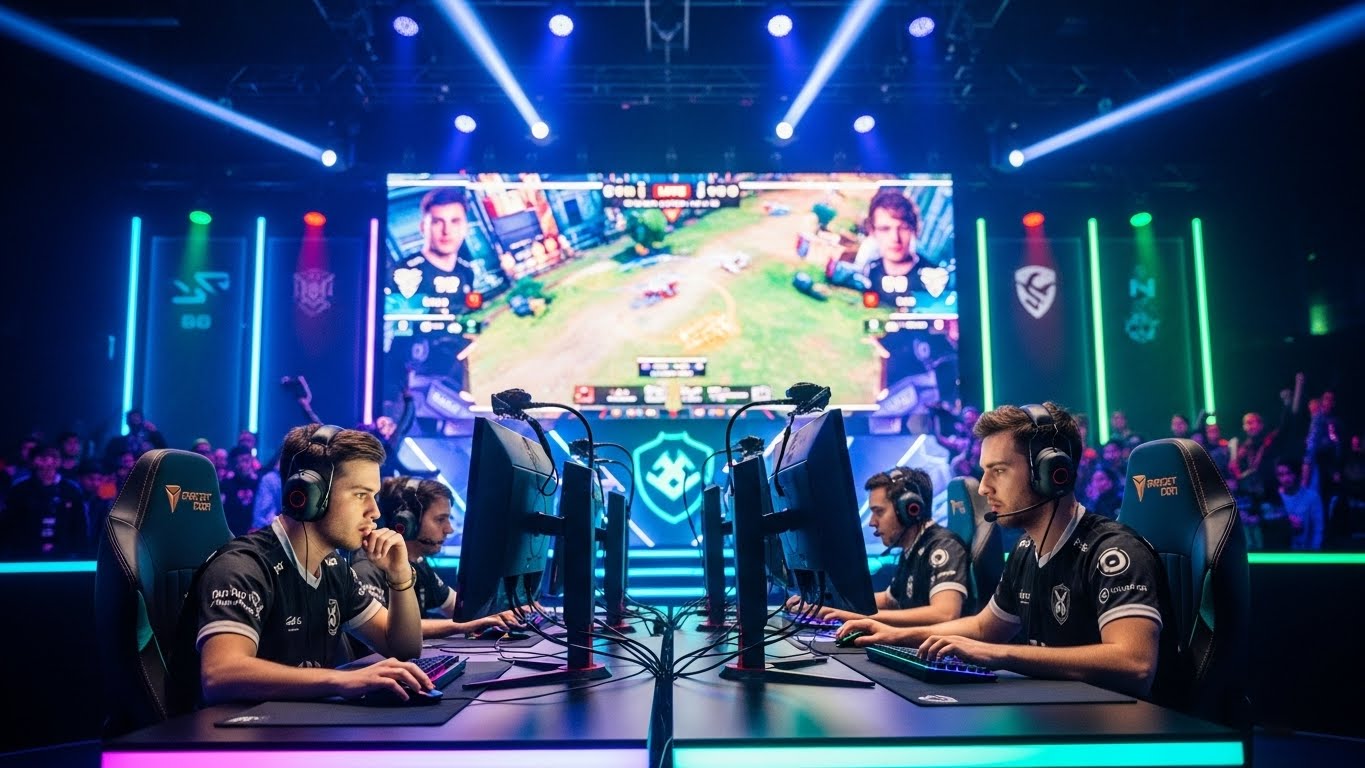
Being a professional esports player is much more than just playing games; it requires intense training, mental fortitude, and a level of dedication comparable to that of athletes in traditional sports. Esports players typically train for several hours every day, practicing individual skills, developing strategies, and competing in practice matches, also known as scrims. A single match can require incredible focus, teamwork, and strategy, which demands constant practice and improvement.
While the training regimen of an esports athlete may not involve physical conditioning to the same extent as traditional athletes, it is still incredibly demanding. Players must remain mentally sharp, capable of reacting to in-game events in real time while keeping track of their team’s strategies and counter-strategies. This mental endurance is often tested during long gaming sessions, where concentration and decision-making abilities are crucial to success.
The pressure to perform at the highest level is immense, and many players experience burnout or physical strain due to long hours of gameplay. Esports organizations are becoming increasingly aware of these challenges and are taking steps to ensure the well-being of their players. Some teams provide mental health support, physical therapists, and coaches to help players manage the stress and pressure that comes with competing at the highest level.
In addition to the competitive pressure, professional esports players must also manage their public image. Many players live-stream their games on platforms like Twitch, interact with fans on social media, and participate in promotional events. This level of visibility creates an entirely new layer of pressure, as players are often scrutinized not only for their gaming abilities but also for their personalities and behavior.
The Esports Fanbase: A Global Community
The fanbase that has emerged around esports is a key driver of the industry’s success. Esports fans are incredibly dedicated, often forming tight-knit communities around their favorite teams, players, or games. This sense of community is fostered through live streaming, social media, and in-person events, where fans can interact with one another and with the players they support.
Esports fans are also known for their engagement and loyalty. Unlike traditional sports, where fans may only interact with their teams during the season, esports fans are active year-round. They tune into live streams, participate in online discussions, and support players through merchandise and donations. Esports has become a 24/7 experience, with fans engaging with content at all hours, creating a constant cycle of interaction between players and their audience.
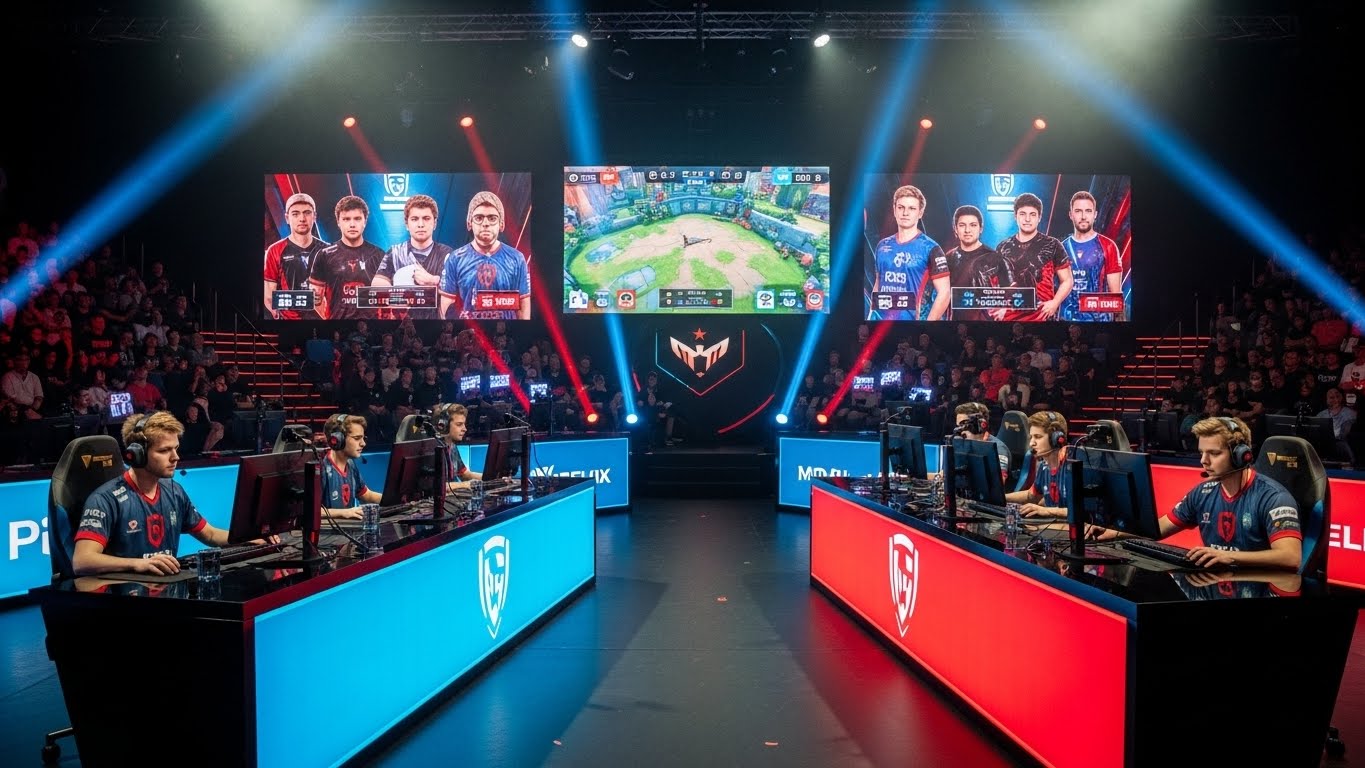
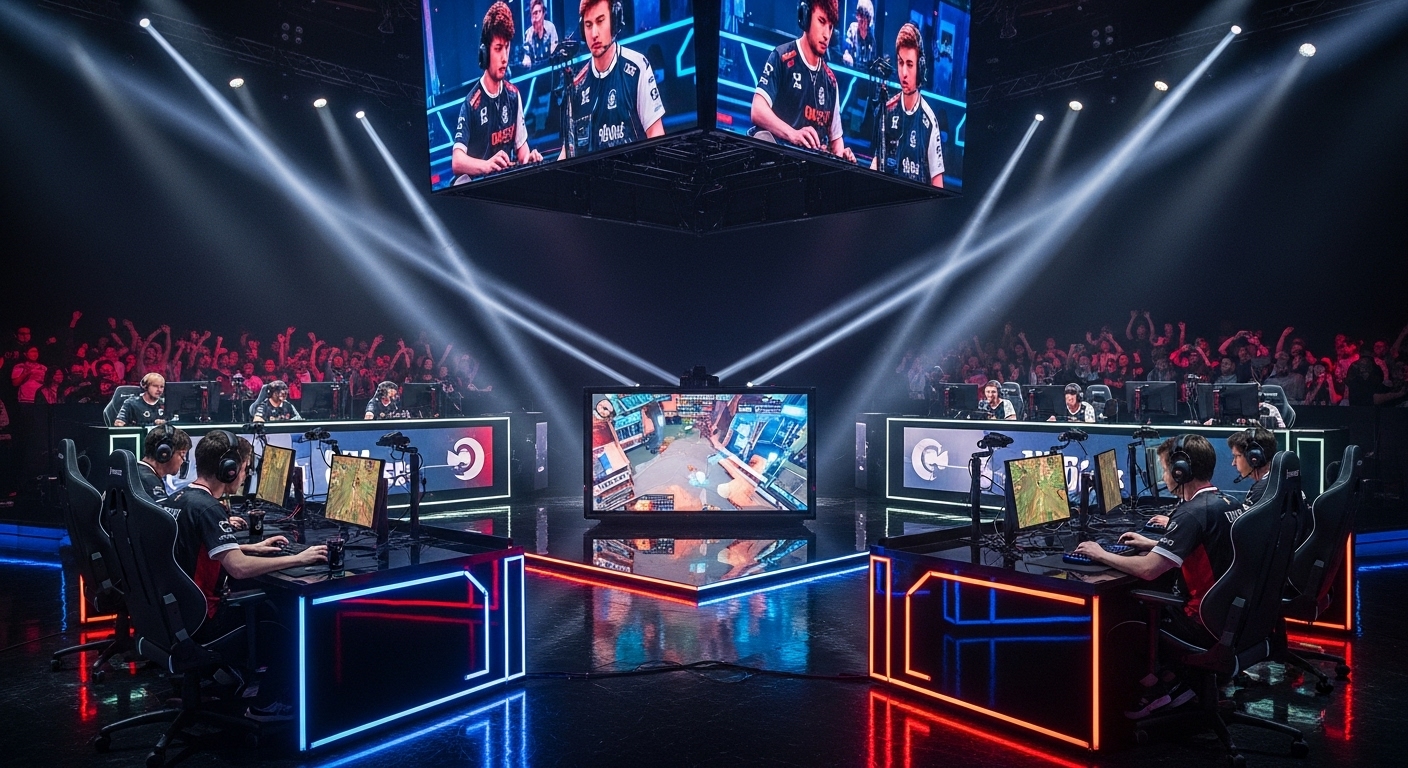
The experience of attending an esports tournament is unlike any other. The atmosphere in esports arenas is electric, with passionate fans cheering for their teams and creating an environment that mirrors that of traditional sports stadiums. Major esports events like the League of Legends World Championship have become massive spectacles, with tens of thousands of spectators filling the arenas while millions more watch from home. These events combine the excitement of live sports with the immersive experience of gaming, creating a unique form of entertainment that appeals to a wide range of audiences.
The Future of Esports: New Horizons and Technological Advancements
Looking to the future, the potential of esports is virtually limitless. As technology continues to evolve, esports will only become more immersive and engaging. Virtual reality (VR) and augmented reality (AR) have the potential to revolutionize esports, offering players and fans an entirely new way to experience competitive gaming. Imagine being able to watch an esports match from the perspective of a player, or even stepping into a virtual arena to compete with others in real time.
Mobile gaming is also expected to play a key role in the future of esports. With smartphones becoming more powerful and accessible, mobile esports tournaments have begun to gain traction, particularly in regions like Asia. Games such as “PUBG Mobile” and “Arena of Valor” have brought competitive gaming to a wider audience, opening the door for new players and fans who may not have access to traditional gaming setups.
The integration of esports with traditional sports is likely to increase, with more sports organizations adopting esports as part of their broader strategy. We may see more crossovers between digital and physical sports, with athletes from both realms collaborating or competing in hybrid events.