Introduction: Esports Takes Center Stage
Esports, once considered a niche hobby, has transformed into a global powerhouse shaping modern entertainment and culture. Competitive gaming is no longer just about casual play or friendly matches; it has become a professional arena where strategy, skill, and dedication meet a worldwide audience. With tournaments filling stadiums, professional players gaining celebrity status, and millions watching live streams, esports has carved a permanent place in the entertainment ecosystem. This blog explores the rise of esports, its cultural impact, the business behind it, and what the future holds for competitive gaming.
The Origins of Esports: From Arcades to Online Arenas
The roots of esports can be traced back to the early days of video gaming. In the 1970s and 1980s, arcades were the epicenter of competitive gaming, where high scores were displayed on leaderboards and players competed for recognition. Titles like Space Invaders, Pac-Man, and Donkey Kong laid the groundwork for competitive gameplay.
As technology evolved, home consoles and personal computers brought gaming into living rooms worldwide. The late 1990s saw the rise of online multiplayer games like Quake and StarCraft, which became some of the first titles to foster organized competitive communities. These games were more than just entertainment—they were the foundation for what would eventually become modern esports.
The Professionalization of Competitive Gaming
Esports transformed from casual competition to professional sport with the introduction of structured leagues, sponsorships, and prize pools. Professional players began dedicating their lives to training, much like athletes in traditional sports. Teams were formed, coaches were hired, and players underwent rigorous practice schedules to refine their skills.
The launch of leagues such as the League of Legends Championship Series, Call of Duty League, and Dota 2’s The International elevated esports to an entirely new level. Prize pools reaching millions of dollars demonstrated that competitive gaming was not just fun but also lucrative. Organizations invested in training facilities, marketing, and player development, making esports a serious career path for talented gamers.
Esports as a Global Spectacle
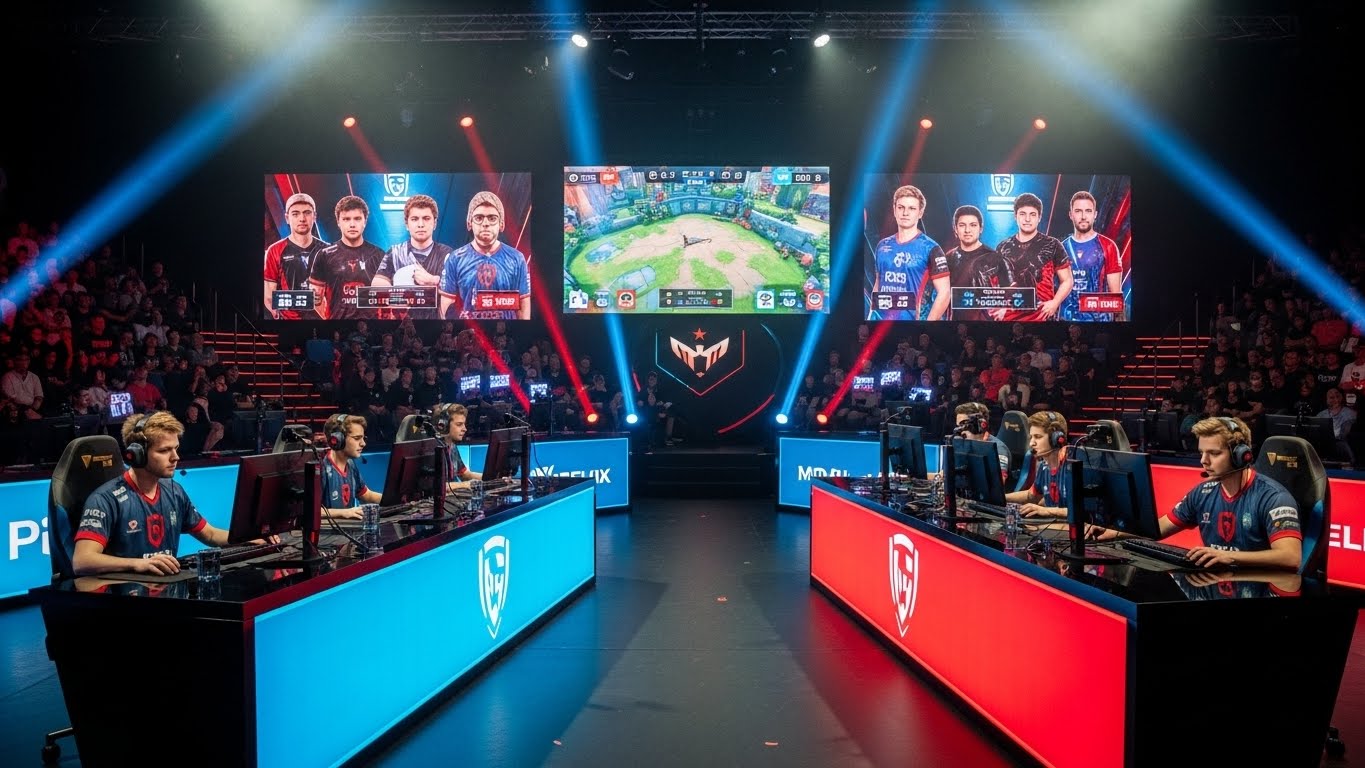
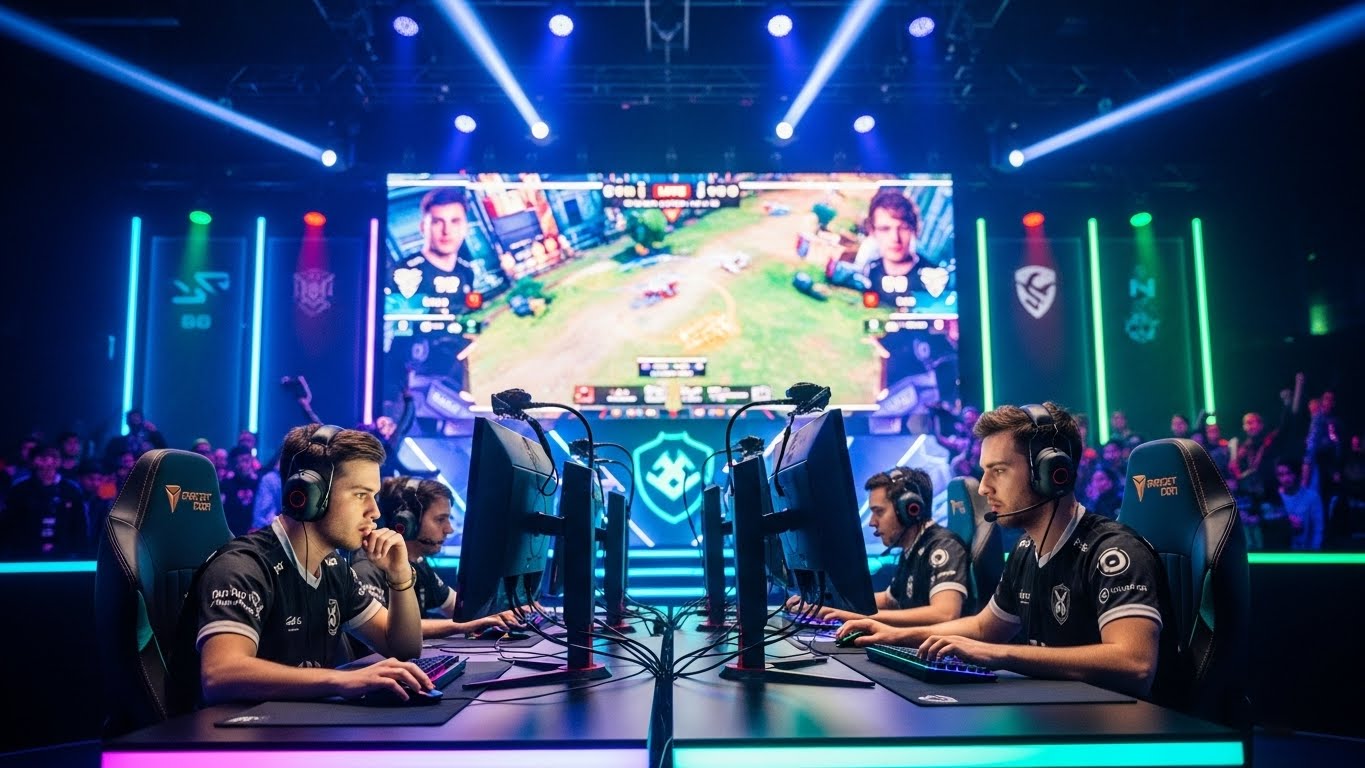
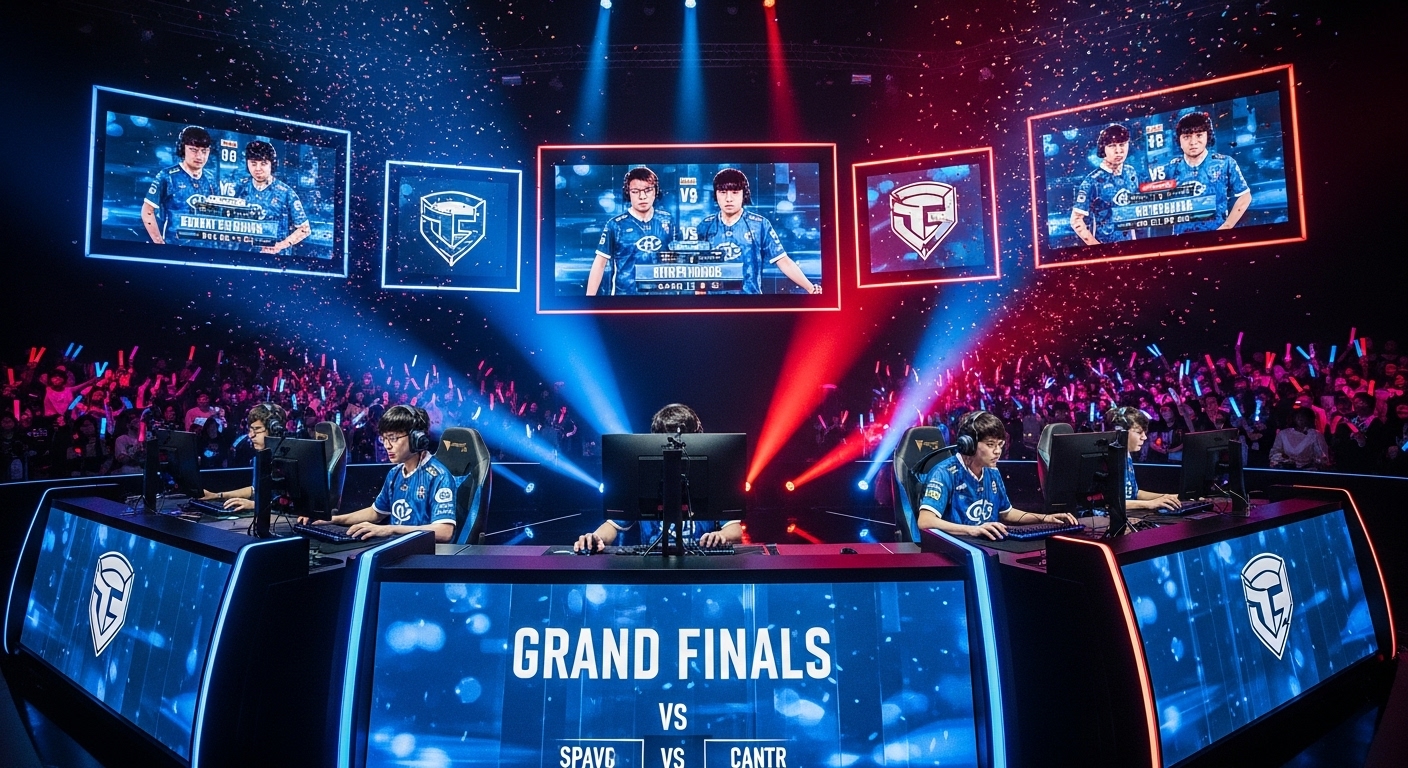
Esports tournaments now rival traditional sports in scale and viewership. Events are held in massive arenas, often streamed live to millions of fans worldwide. Major tournaments, like the Fortnite World Cup or the League of Legends World Championship, draw audiences that exceed those of many professional sports leagues.
The global appeal of esports lies in its accessibility. Unlike conventional sports, where physical ability may limit participation, esports is open to anyone with skill, strategy, and dedication. Players from different continents can compete on equal footing, and fans can watch events live from their devices. This accessibility has contributed to the exponential growth of esports, creating a worldwide community that transcends borders.
The Role of Streaming Platforms in Esports Growth
The rise of streaming platforms has been pivotal to the growth of esports. Platforms like Twitch, YouTube Gaming, and others provide live coverage, highlights, and interactive content, allowing fans to connect with their favorite players and teams. Streaming has not only expanded the audience but also created new revenue streams for players and organizations through subscriptions, advertisements, and sponsorship deals.
Streaming has also blurred the line between spectator and participant. Viewers can engage with players in real-time, learning strategies, commenting on gameplay, and forming online communities. This interactive element has made esports uniquely immersive, providing an experience that traditional sports cannot fully replicate.
Esports and the Business of Gaming
Esports is now a billion-dollar industry, attracting investments from major corporations, sponsors, and media companies. Revenue comes from multiple streams, including advertising, sponsorships, ticket sales, merchandise, and media rights. Brands outside the gaming world have also recognized the marketing potential of esports, sponsoring teams and tournaments to reach a young, engaged audience.
Merchandising plays a critical role in brand building. Fans proudly wear team jerseys, display collectibles, and participate in fan clubs, creating a sense of identity and loyalty. Similarly, sponsorship deals with hardware manufacturers, energy drink companies, and fashion brands have turned esports into a commercial powerhouse, rivaling more traditional forms of entertainment.
The Cultural Impact of Esports
Esports is more than just competition; it is a cultural movement. It has influenced fashion, music, social media, and even education. Gaming communities have developed their own language, memes, and rituals, creating a distinct subculture that resonates globally.
Universities and schools now offer scholarships for esports athletes, recognizing the skill, strategy, and teamwork involved. Esports has also fostered inclusivity, providing spaces where people from diverse backgrounds can connect, compete, and create friendships. The rise of female gamers, LGBTQ+ participation, and accessibility-focused games demonstrates that esports is becoming increasingly diverse and representative.
Esports Training: The Athlete’s Regimen
Professional esports players train with the intensity of traditional athletes. Daily schedules often include hours of gameplay practice, strategy sessions, physical fitness routines, and mental conditioning. Reaction time, decision-making, and teamwork are honed to perfection.
Mental health has also become a priority within esports. Burnout, stress, and competitive pressure are real challenges, prompting organizations to provide psychological support, proper rest schedules, and wellness programs. This professional approach ensures that esports players can sustain long careers and perform at the highest level, much like athletes in traditional sports.
Esports and Technology: Driving Innovation
The growth of esports has spurred technological innovation. High-performance gaming hardware, virtual reality, and artificial intelligence are all influencing the competitive gaming landscape. VR tournaments are creating immersive experiences where players and fans can engage in entirely new ways. AI-powered analytics help teams develop strategies, analyze opponents, and enhance performance.
Moreover, cloud gaming is expanding access to esports by allowing players to compete on devices without high-end hardware. This technology democratizes competitive gaming, enabling more people to participate regardless of their resources.
Challenges Facing the Esports Industry
Despite its rapid growth, esports faces challenges. Player burnout, inconsistent regulations, and concerns about cheating or match-fixing remain issues that need addressing. Additionally, balancing commercial interests with player welfare and community engagement is a delicate task.
The lack of standardized governance across leagues and countries can create confusion and inequality. Ensuring fair competition, safeguarding mental health, and maintaining inclusivity will be critical for esports to sustain its growth in the coming years.
The Future of Esports
The future of esports is promising and filled with potential. With expanding audiences, emerging technologies, and increasing investment, competitive gaming is poised to become an even more significant cultural force. New genres, innovative formats, and cross-industry collaborations may redefine how people perceive entertainment and sports.
As esports continues to professionalize, the line between traditional sports and competitive gaming may blur. Stadiums designed specifically for esports, partnerships with mainstream media, and the integration of esports into global sporting events suggest a future where competitive gaming is universally recognized and celebrated.
Conclusion: Why Esports Matters
Esports is a phenomenon that reflects modern society’s relationship with technology, entertainment, and community. It is a space where skill, creativity, and strategy converge to create experiences that captivate millions. Beyond the games themselves, esports fosters global connections, inspires new generations, and challenges the boundaries of what competition can look like.
From its humble beginnings in arcades to its current status as a billion-dollar industry, esports demonstrates the power of innovation, passion, and community. It is not just a pastime—it is a cultural revolution, an economic force, and a testament to the way technology can bring people together in the pursuit of excellence and entertainment.