Introduction: The New Frontier of Competitive Gaming
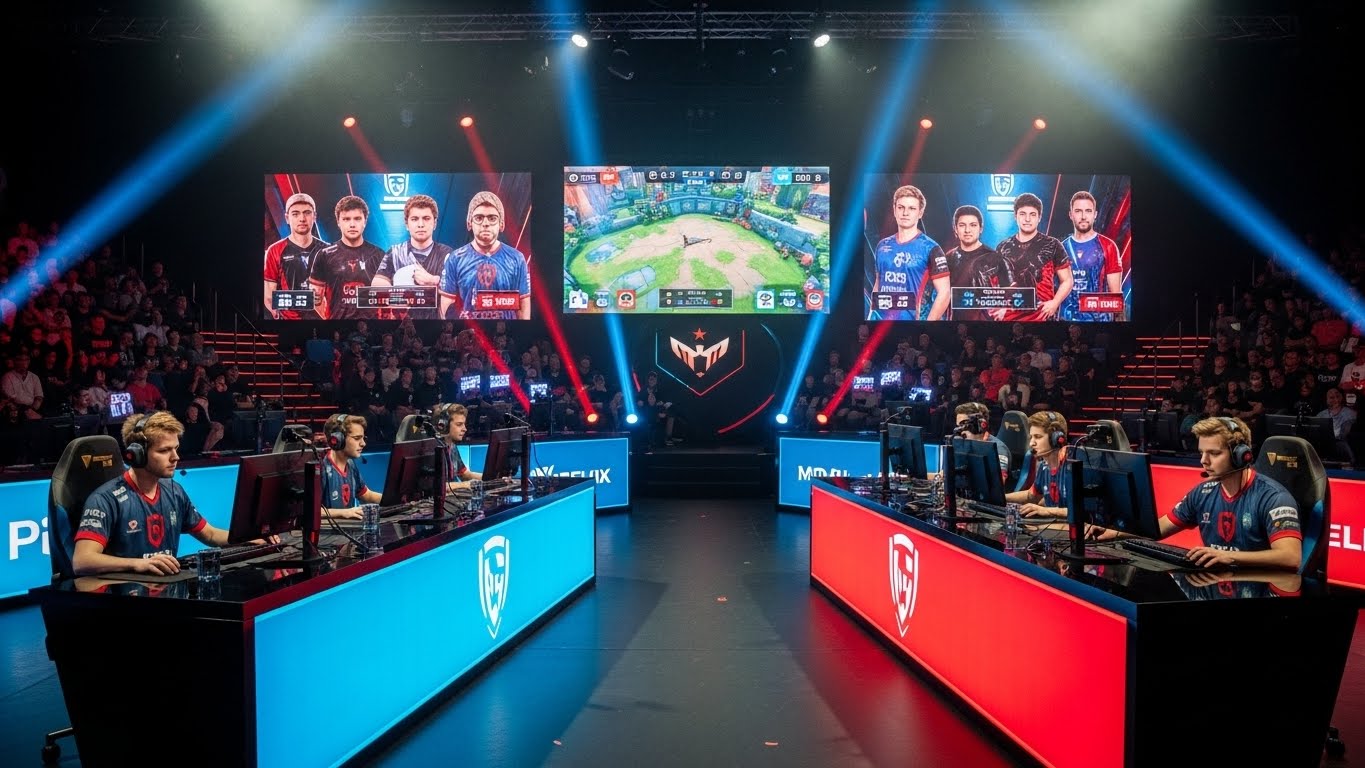
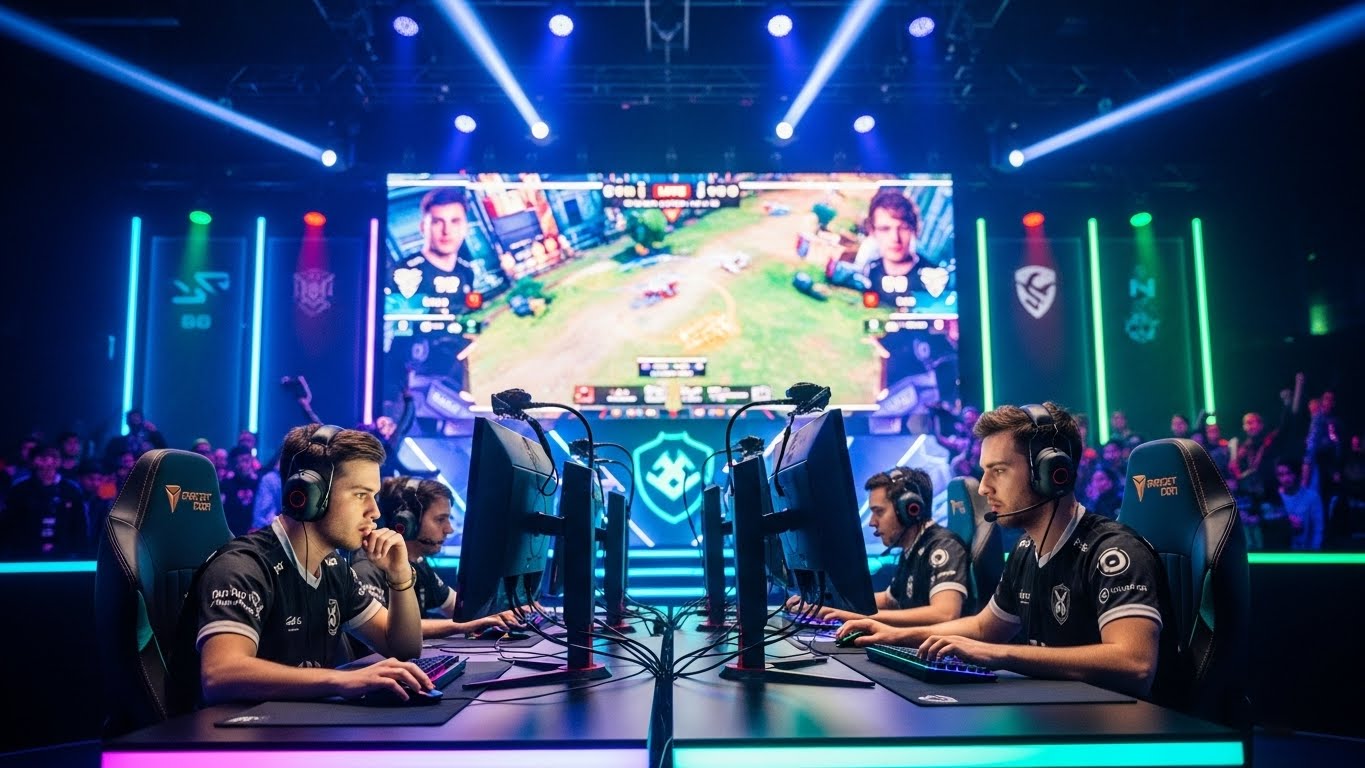
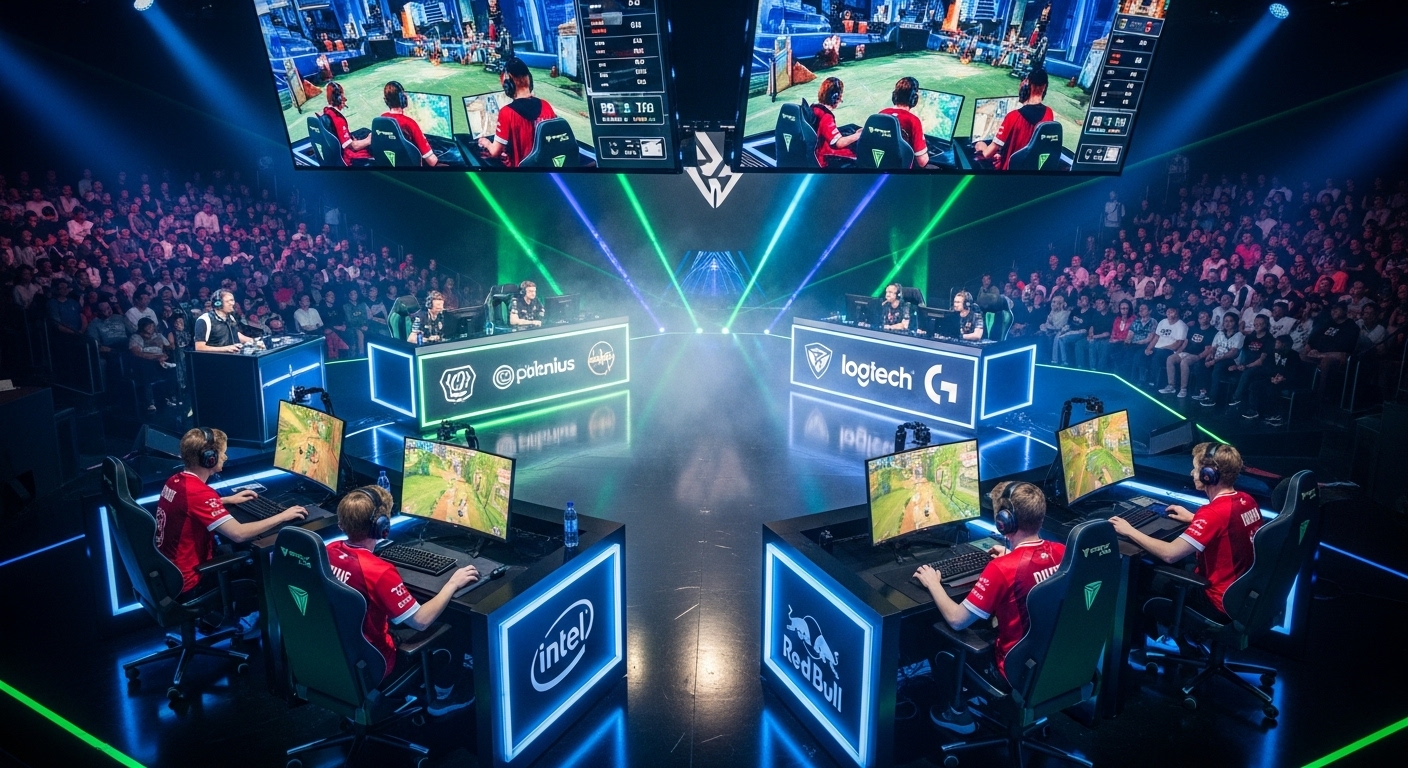
Esports, or competitive video gaming, has grown from niche hobby to a global phenomenon in less than two decades. Once seen as informal or recreational, esports now rivals traditional sports in viewership, revenue, and influence. With professional teams, international tournaments, and multimillion-dollar sponsorships, esports has established itself as a legitimate industry.
This blog explores the world of esports, examining its history, culture, impact on society, economic significance, technological advancements, and the unique opportunities it offers players and fans alike.
The Evolution of Esports
The roots of competitive gaming trace back to the 1970s and 1980s with arcade competitions and early console tournaments. Games like Space Invaders and Pac-Man drew competitive players, but it was the rise of PC gaming and the internet in the 1990s that laid the foundation for modern esports.
Titles like StarCraft, Counter-Strike, and Warcraft sparked the creation of organized tournaments and leagues, particularly in South Korea, which became a hub for professional gaming culture. By the 2000s, streaming platforms enabled fans worldwide to watch competitions in real time, further accelerating esports’ growth.
Today, esports encompasses a wide variety of genres, from first-person shooters and multiplayer online battle arenas to sports simulations and strategy games, attracting millions of players and viewers globally.
The Appeal of Esports: Why Millions Play and Watch
Esports captivates players and spectators alike for several reasons. First, it combines skill, strategy, and reflexes, creating high-intensity competition similar to traditional sports. Second, esports provides a platform for creativity and problem-solving, as players must adapt to evolving gameplay and team dynamics.
For spectators, esports offers excitement and community. Fans follow professional teams, engage in live chat during tournaments, and discuss strategies and highlights online. This interactive element creates a sense of belonging, as millions of individuals connect over shared passion. The thrill of high-level play, coupled with the accessibility of online streaming, makes esports uniquely engaging for a modern audience.
Professionalization and Career Paths in Esports
Esports has developed a structured professional ecosystem. Top players sign contracts with teams, receive salaries, and compete in leagues with significant prize pools. Beyond players, careers exist in coaching, analysis, broadcasting, event management, and content creation.
Universities and colleges now offer scholarships for esports athletes, recognizing their skill and dedication. Organizations invest in training facilities, nutrition, and performance psychology, treating esports as a legitimate profession. For those passionate about gaming, the industry offers real-world career opportunities that combine skill, strategy, and creativity.
Mental and Cognitive Benefits of Competitive Gaming
Contrary to stereotypes, esports enhances a range of cognitive skills. Players develop problem-solving abilities, strategic thinking, multitasking, and quick decision-making. Games often require high levels of focus, memory, and hand-eye coordination, promoting mental agility.
Team-based esports also foster collaboration, communication, and leadership. Players must coordinate complex strategies, anticipate opponents’ moves, and adapt to dynamic situations. These cognitive and interpersonal skills extend beyond gaming, benefiting education, careers, and daily life.
The Social Impact of Esports
Esports creates a global community. Players and fans connect across borders, forming friendships, sharing strategies, and participating in tournaments regardless of location. Streaming platforms and online communities provide spaces for interaction, discussion, and shared enthusiasm.
Moreover, esports has the power to break down barriers. Unlike traditional sports, which may require physical prowess or access to facilities, esports is more accessible. Anyone with a computer or console can compete, fostering inclusivity and diversity in participation. This democratization of competition allows people of different ages, genders, and backgrounds to engage on equal footing.
Esports and the Economy
Esports has become a multibillion-dollar industry. Revenue comes from sponsorships, advertising, merchandise, ticket sales, and media rights. Major tournaments attract global audiences, creating opportunities for brands to reach a diverse, tech-savvy demographic.
Streaming and content creation have also become major economic drivers. Popular players earn income through subscriptions, sponsorships, and online content. Entire careers are built around broadcasting gameplay, providing commentary, and creating digital communities. Local economies benefit as well, with esports arenas, events, and conventions generating jobs and tourism.
Technology: Driving the Growth of Esports
Technology is central to esports. High-performance computers, gaming peripherals, and fast internet connections allow competitive play at the highest level. Advanced software enables live streaming, spectator interaction, and data analytics to monitor performance and strategy.
Virtual reality, augmented reality, and AI-driven tools are poised to shape the future of esports. These innovations can create immersive experiences, enhance training, and provide new ways for fans to engage with competitions. Technology has not only made esports possible but continues to drive its rapid evolution.
Health and Well-Being in Esports
While esports is often associated with sedentary activity, the industry increasingly emphasizes player health. Professional players work with physical trainers, nutritionists, and psychologists to maintain peak performance. Physical exercise, eye care, and mental health practices are essential to manage stress, prevent burnout, and sustain competitive longevity.
Balanced lifestyles are crucial for aspiring players, combining gaming practice with exercise, proper nutrition, and rest. Healthy habits ensure that esports remains a sustainable pursuit rather than a source of physical or mental strain.
Challenges Facing the Esports Industry
Despite its growth, esports faces challenges. Player burnout, mental health issues, and intense pressure are common concerns. The lack of standardized regulation and the prevalence of toxicity in online communities can affect participation and reputation.
Additionally, accessibility remains an issue in regions with limited infrastructure, internet connectivity, or financial resources. Addressing these challenges requires responsible industry practices, community moderation, and investment in training and education for players and staff.
The Cultural Significance of Esports
Esports has influenced popular culture in unprecedented ways. It has created icons, inspired media content, and influenced entertainment trends. Music, fashion, and storytelling often intersect with esports events, turning tournaments into immersive cultural experiences.
Esports also challenges traditional notions of athleticism and competition. It expands the definition of sports, emphasizing mental skill, strategy, and reflexes alongside physical ability. This shift has contributed to broader acceptance and recognition of competitive gaming as a legitimate sport and form of entertainment.
The Future of Esports
The future of esports is bright. Global tournaments will continue to grow in size, viewership, and prize money. Integration with emerging technologies like VR and AI will enhance gameplay, training, and spectator experiences. Esports education and career opportunities will expand, offering structured pathways for young talent.
Inclusivity and diversity will remain key drivers. As esports reaches new regions and audiences, it will continue to break down barriers, provide opportunities, and cultivate global communities. The growth trajectory indicates that esports is not just a passing trend but a lasting pillar of entertainment, culture, and competition.
Conclusion: Esports as a New Era of Competition
Esports has transformed the way we view competition, community, and culture. It empowers individuals to develop skills, build careers, and connect globally. It provides fans with thrilling entertainment and fosters inclusive, diverse communities.
More than a game, esports is a reflection of modern society—technologically advanced, interconnected, and constantly evolving. It challenges traditional ideas of sports, inspires creativity, and offers opportunities for personal and professional growth.
As esports continues to expand, it will shape the future of entertainment, redefine competition, and inspire generations of players and fans worldwide. For those involved, it is not just play—it is a powerful, transformative force.